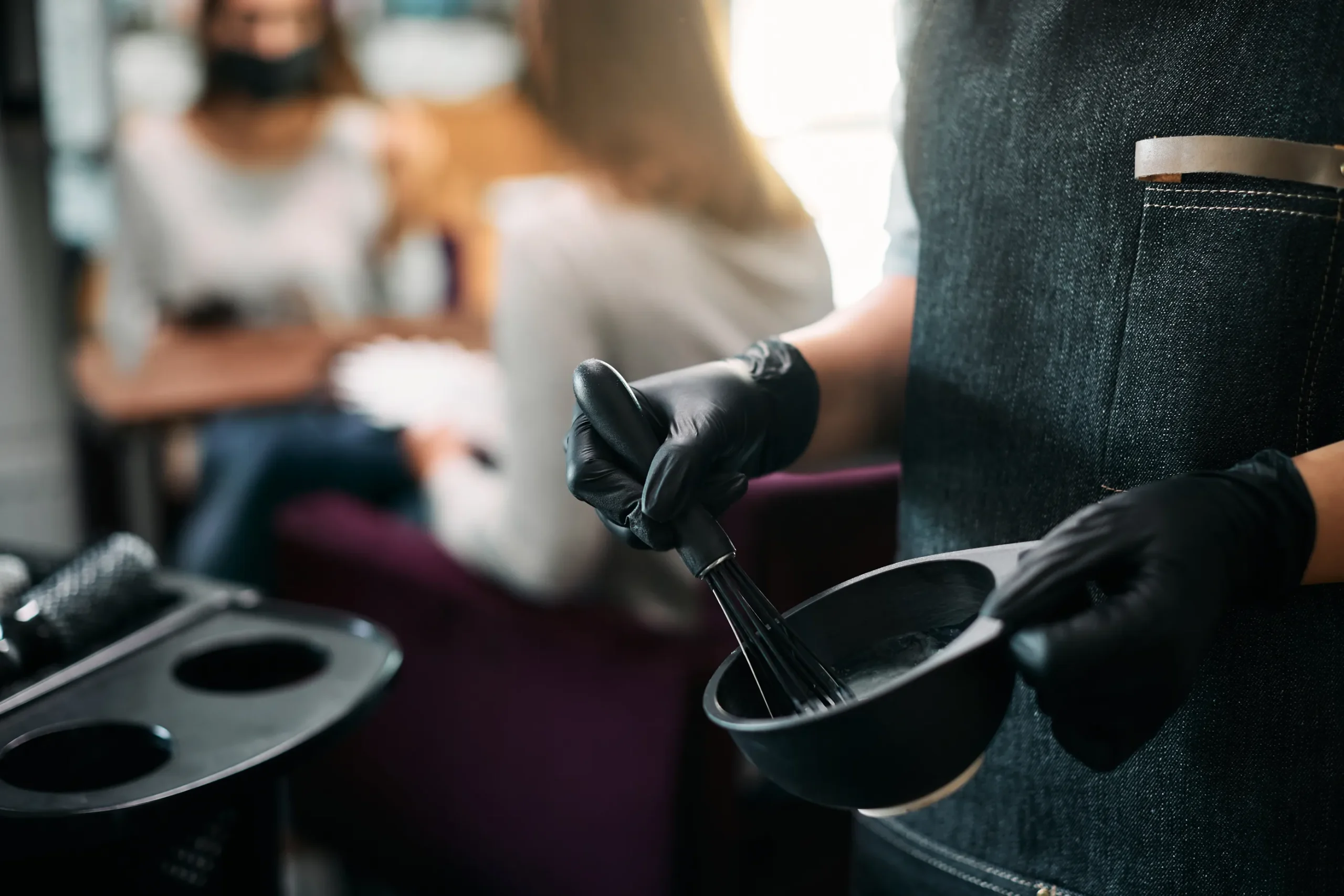
The Majesty of Kings Crown Grooming Station
For centuries, the crown has been a symbol of power, authority, and grandeur. The grooming station behind the throne is often overlooked but plays a crucial role in maintaining the royal dignity and majesty. In this article, we will delve into the world of kings’ crowns and explore what makes their grooming stations so unique.
History of Kings Crown Grooming Station
The tradition of having a dedicated grooming station for monarchs dates back to ancient times. In medieval Europe, it was customary for royal groomers to attend to the king’s hair, beard, and nails before official ceremonies and meetings. This practice not only kept the ruler looking presentable but also served as an opportunity for the royal groomer to showcase their skills and creativity. In many monarchies, the crown grooming station has been passed down through generations, with each new monarch adding their own personal touches and preferences. For instance, Queen Elizabeth II’s famous “hairdresser” was a member of her own family, who had the privilege of styling her hair for state occasions.
Components of Kings Crown Grooming Station
A traditional kings crown grooming station typically consists of several key components: 1. Dressing Table: A sturdy, ornate table where the royal groomer can lay out their tools and materials. The dressing table often features intricate carvings, inlays, or other forms of decorative craftsmanship. 2. Grooming Chair: A specially designed chair that allows the monarch to recline comfortably while the royal groomer works their magic. This chair may be adorned with velvet cushions, silk drapes, or other luxurious textiles. 3. Storage Cabinet: A secure cabinet where the royal groomer stores their precious tools and products. These cabinets often feature intricate locks, secret compartments, and other forms of security to protect sensitive information. 4. Lighting System: A sophisticated lighting system that provides adequate illumination for the grooming process. This may include candles, lanterns, or even electricity.
The Royal Groomer’s Art
The royal groomer is an artist in their own right, with a deep understanding of the monarch’s preferences and needs. Their work requires patience, attention to detail, and a keen eye for aesthetics. The royal groomer must balance functionality with style, ensuring that the monarch looks both dignified and comfortable. In some cases, the royal groomer is also responsible for creating custom products tailored specifically to the monarch’s hair type, skin tone, or personal preferences. This may include bespoke shampoos, conditioners, or styling creams, all carefully formulated to meet the unique needs of the royal family.
The Role of Kings Crown Grooming Station in Modern Times
While the traditional role of the crown grooming station has evolved over time, its significance remains unchanged. Today, many monarchies continue to prioritize the maintenance and upkeep of their royal dignity, often incorporating modern technology and innovative techniques into their grooming routines. For instance, Queen Rania of Jordan has been known to use advanced hair restoration treatments, while King Salman of Saudi Arabia has opted for more sustainable, eco-friendly products in his grooming routine. These modern approaches not only reflect the changing times but also demonstrate a commitment to preserving tradition while embracing progress.
Conclusion
In conclusion, the kings crown grooming station is a testament to the enduring power of tradition and heritage. Whether you’re a monarch or simply someone who appreciates the finer things in life, the art of grooming is an essential part of maintaining one’s dignity and authority. As we continue to evolve and adapt in this rapidly changing world, it’s heartening to see that the importance of the crown grooming station remains unchanged – a symbol of majesty, power, and refinement that will endure for generations to come.