






Beyond the Chair: Transforming Your Beauty Salon into a Sanctuary of Style and Serenity
In the competitive world of beauty and wellness, your salon’s decor is far more than just background aesthetics. It is a silent yet powerful communicator of your brand’s identity, a key factor in client retention, and a crucial element in creating an unforgettable experience. The right environment can calm a nervous first-time client, inspire trust in your expertise, and elevate a simple haircut or facial into a luxurious escape. For business owners, investing in thoughtful salon design is not an extravagance; it’s a strategic business decision that directly impacts customer satisfaction, staff morale, and ultimately, your bottom line. This guide will walk you through the essential decor ideas to transform your beauty salon into a haven that clients will love and competitors will envy.
The Foundation: Establishing Your Salon’s Design Philosophy
Before you select a single paint swatch or piece of furniture, you must define the core philosophy that will guide every design decision. Your decor should be a three-dimensional extension of your brand.
1. Define Your Brand Identity
Ask yourself: Who are you as a business? Are you a sleek, high-tech clinic specializing in advanced aesthetics? A rustic, bohemian haven for organic beauty treatments? Or a vibrant, edgy salon catering to a trendy, fashion-forward clientele? Your brand’s personality—whether it’s minimalist, luxurious, earthy, or eclectic—should be the compass for your design journey.
2. Know Your Target Client
Your ideal client should feel immediately at home in your space. A salon targeting busy professionals might benefit from a calm, efficient, and sophisticated design. A salon focused on a younger demographic might embrace bold colors, unique artwork, and Instagram-worthy corners. Design for your client’s aspirations and comfort.
3. The Psychology of Space
Understand that every design element influences emotion. Soft, curved lines are calming; sharp angles can feel dynamic but also stressful. Clutter induces anxiety, while clean, organized spaces promote relaxation. Keep the psychological impact of your design choices at the forefront of your planning.
Key Zones: Curating the Client Journey Through Design
A successful salon design meticulously crafts the experience from the moment a client walks in until the moment they leave. Break your salon down into key zones, each with its own functional and aesthetic requirements.
The Reception & Waiting Area: The First Impression
This is where the client experience begins. It sets the tone and must be both welcoming and efficient.
- Front Desk: This should be the command center—clean, organized, and accessible. Use high-quality materials that reflect your brand, like a live-edge wood slab for a natural vibe or a glossy, monolithic counter for a modern feel.
- Seating: Invest in comfortable, stylish seating. Avoid bulky, worn-out couches. Opt for chairs with clean lines and durable, easy-to-clean upholstery. Create intimate groupings rather than a sterile, waiting-room line.
- Reception Decor: A stunning feature wall, an art piece that speaks to your brand, or a living green wall can be a powerful focal point. Ensure lighting is warm and flattering.
- Practical Touches: Provide a coat rack, a small water station with infused water and glasses, and accessible charging ports. Keep retail displays tidy and enticing.
The Service Area: Where the Magic Happens
This is the heart of your operation, where functionality and ambiance must merge seamlessly.
- Styling Stations: Consistency is key. Choose stations that offer ample storage to hide clutter. Mirrors are crucial—consider unique shapes or backlit mirrors for a modern, photogenic touch. Ensure there is enough personal space between stations to avoid a cramped feeling.
- Wash Area: Transform the shampoo from a functional task into a spa-like ritual. Invest in comfortable, ergonomic shampoo chairs with neck supports. Use dimmable, warm lighting overhead. Incorporate elements like small waterfall features, soothing music, or aromatherapy to engage the senses fully.
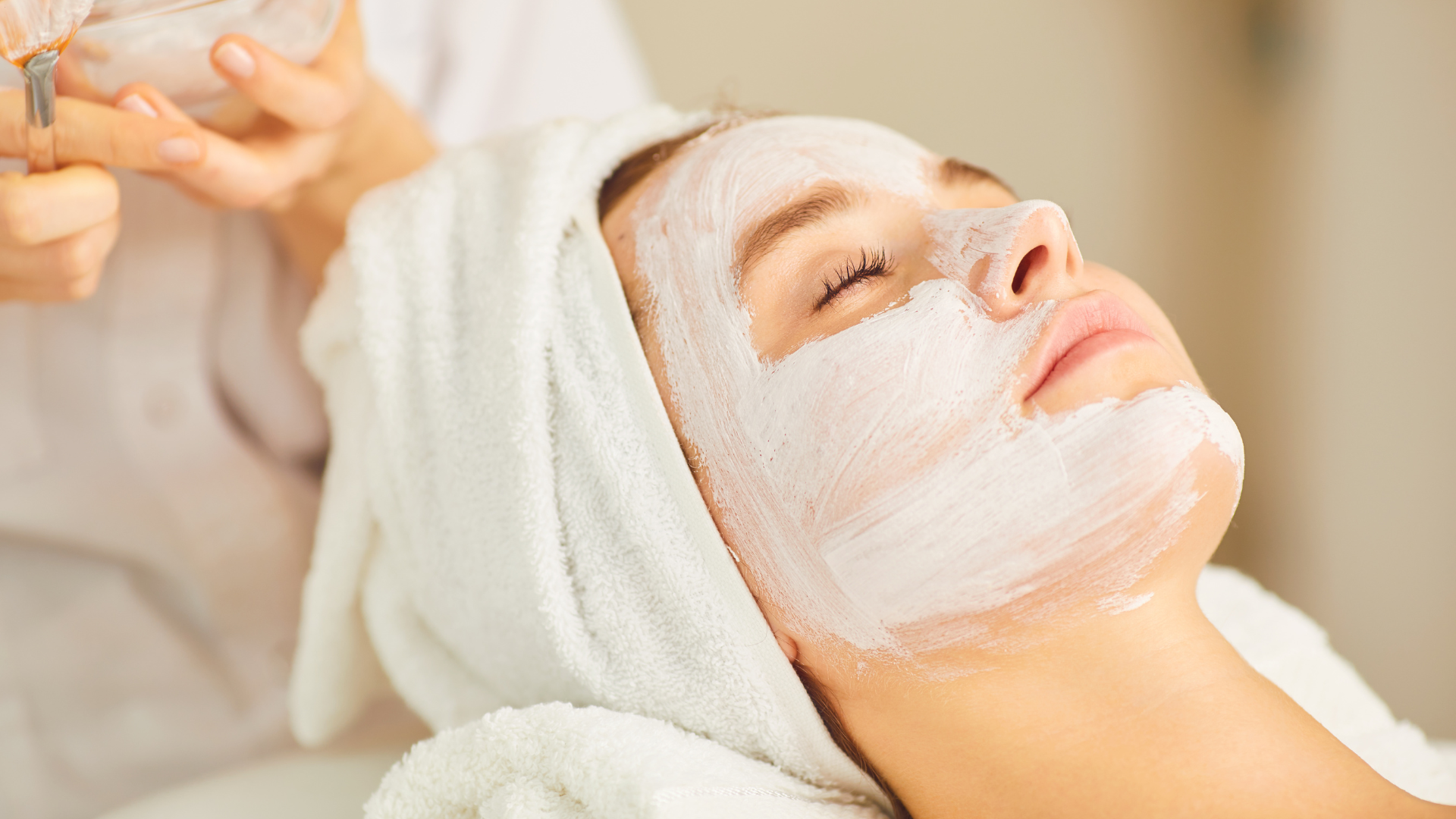
- Treatment Rooms: For facials, massages, and waxing, privacy and tranquility are paramount. Soundproofing, blackout curtains, and individual climate controls are worth the investment. Decorate with soft textiles, minimal artwork, and a neutral, calming color palette.
The Retail Zone: The Strategic Finale
Your retail area should feel like a curated boutique, not an afterthought.
- Display Strategy: Use tiered shelves, glass cabinets, or well-lit niches to showcase products. Group items by brand or function. Keep everything dust-free and perfectly organized.
- Accessibility: Allow clients to touch and interact with testers. Clear, elegant signage explaining product benefits can guide purchasing decisions.
- Location: Place the retail zone near the checkout area, so it’s the last thing clients see before they leave, capitalizing on the positive feelings from their service.
Mastering the Elements: A Deep Dive into Decor Choices
Color Palette: The Emotional Backbone
Color is one of the most powerful tools in your design arsenal.
- Calming & Serene: Shades of soft grey, pale blue, muted green, and warm beige/white are classics for a reason. They create a blank canvas that feels clean, professional, and relaxing. Perfect for high-end spas and clinical settings.
- Warm & Inviting: Terracotta, warm taupe, blush pink, and soft gold evoke feelings of comfort and warmth. These are excellent for salons wanting to feel cozy and approachable.
- Bold & Energetic: Jewel tones like emerald green or sapphire blue, or even a signature accent wall in a vibrant color, can define a brand and attract a specific, style-conscious clientele. Use bold colors strategically to avoid overwhelming the space.
Pro Tip: Always test paint colors in your actual space with your lighting before committing. Colors change dramatically throughout the day.
Lighting: Setting the Mood and Ensuring Precision
Lighting is a dual-purpose element: it creates ambiance and provides the accurate light needed for technical work.
- Ambient Lighting: This is the general illumination of the room. Use dimmable overhead lights or a series of well-placed pendants and sconces with warm-white bulbs (2700K-3000K color temperature) to avoid a cold, clinical feel.
- Task Lighting: This is non-negotiable at styling and treatment stations. LED mirrors with adjustable color temperatures (from warm to daylight) are ideal. They provide perfect, shadow-free light for stylists and flattering light for clients.
- Accent Lighting: Use track lighting, picture lights, or LED strips to highlight retail displays, artwork, or architectural features. This adds depth and drama to your space.
Furniture & Layout: The Blueprint for Flow and Comfort
Your furniture choices must be a blend of style, durability, and ergonomics.
- Invest in Quality: Salon furniture endures heavy daily use. Chairs, stations, and cabinetry should be commercial-grade. Look for easy-to-clean, waterproof, and stain-resistant materials.
- Prioritize Ergonomics: Your staff’s physical well-being is critical. Hydraulic styling chairs, adjustable treatment beds, and anti-fatigue mats are investments in your team’s health and productivity.
- Create a Logical Flow: The client’s path from reception to shampoo bowl to styling chair should be intuitive. Avoid creating traffic jams or having clients walk through active service areas. Ensure there is clear, accessible space for clients with mobility aids.
Textiles & Materials: Engaging the Sense of Touch
The materials you choose add layers of texture and sophistication.
- Flooring: It must be durable, water-resistant, and easy to clean. Luxury Vinyl Tile (LVT) offers the look of wood or stone with incredible practicality. Polished concrete is a modern, industrial option. Use plush, commercial-grade rugs in waiting areas for a touch of softness.
- Textiles: Use towels, robes, and capes as part of your branding. Invest in high-quality, absorbent towels in your brand colors. The weight and feel of a premium towel subtly communicate quality. Cushions and upholstery should be in durable, performance fabrics.
Signature Touches: Making Your Salon Memorable
It’s the unique details that transform a well-designed salon into an extraordinary one.
Branded Elements
Weave your logo and brand colors throughout the space in subtle ways: on the aprons your staff wears, etched onto mirrors, printed on the cups for your client beverages, or as part of your wall art.
Art & Wall Decor
Move beyond generic posters. Commission local artists, create a gallery wall of fashion photography, or use large-scale, nature-inspired prints. Art is a powerful way to express your salon’s unique personality.
Biophilic Design: Bringing the Outdoors In
Incorporating natural elements reduces stress and improves well-being. This can be as simple as placing low-maintenance, air-purifying plants like snake plants or ZZ plants throughout the salon, or as dramatic as installing a living wall. Use natural materials like wood and stone wherever possible.
Sensory Experience
Engage all the senses. A signature scent (via a high-quality diffuser), a carefully curated playlist that matches your brand’s energy, and offering a selection of herbal teas or prosecco can make the experience multi-dimensional and deeply memorable.
Practical Considerations for the Business Owner
Budgeting Smartly
You don’t need a limitless budget to create a beautiful space. Prioritize spending on high-impact items that clients interact with directly—the styling chair, the shampoo experience, and the waiting area furniture. Save on less critical areas by upcycling existing pieces or using clever, affordable alternatives for decor.
Maintenance and Durability
Every material and finish should be chosen with maintenance in mind. Can it withstand constant exposure to hair color, water, and cleaning chemicals? Opt for surfaces that are easy to wipe down and fabrics that are stain-resistant. A beautiful salon that looks worn and dirty after six months is a poor investment.
Adapting to Your Space
Work with the architecture you have. A small salon can use large mirrors and a light color palette to feel more spacious. A salon with low ceilings can use vertical stripes and tall, narrow decor to draw the eye upward. An awkward nook can become a charming retail display or a photo booth.
Conclusion: Your Salon, Your Signature Style
Designing your beauty salon is a deeply personal and strategic endeavor. It’s about creating a space that not only reflects your vision and expertise but also serves as a functional, profitable, and joyful place to work and visit. By starting with a clear brand identity, thoughtfully designing each client zone, mastering the core elements of color and light, and adding those unforgettable signature touches, you can build more than just a business—you can create a destination. Let your salon’s decor tell a story, one that welcomes clients in and makes them eager to return, time and time again.