Unlock Endless Style: A Professional’s Guide to Perming Short Hair
In the ever-evolving world of hair styling, perms have made a triumphant return, and short hair is at the forefront of this revival. For spa, clinic, salon, and wellness business owners, mastering the art of perming short hair is no longer a niche skill—it’s a lucrative opportunity. Modern perming techniques offer clients with shorter lengths everything from subtle texture and volume to bold, statement-making curls. This comprehensive guide will equip you with the knowledge to expand your service menu, boost client satisfaction, and drive revenue by delving into the diverse world of perms for short hair.
Why Perms for Short Hair Are a Game-Changer for Your Business
Short hair presents a unique canvas for creative expression. While it offers a chic, low-maintenance look, many clients crave the dimension, body, and personality that curls can provide. Perming short hair allows you to:
- Add Volume and Fullness: Fine or flat short hair can be transformed into a voluminous, lively style.
- Create Defined Texture: From soft waves to tight coils, perms introduce movement and interest.
- Reduce Styling Time: A well-executed perm can mean air-dried perfection for your clients, enhancing the value of your service.
- Offer a Customized Look: Unlike wigs or extensions, a perm is a personalized, long-term solution tailored to each client’s hair and desired outcome.
By incorporating these services, you position your business as a forward-thinking, versatile destination for comprehensive hair care.
Essential Pre-Perm Consultation: The Foundation of Success
Before any perm solution is mixed, a thorough consultation is non-negotiable. This critical step ensures client safety, manages expectations, and guarantees a result that both you and your client will love.
Assessing Hair Health and History
Begin by evaluating the hair’s current condition. Is it virgin, color-treated, highlighted, or previously permed? Use a magnifying lamp to check for damage, porosity, and elasticity. Hair with significant breakage, extreme porosity, or recent chemical services may not be a suitable candidate and could require a pre-treatment conditioning regimen.
Determining Client Goals and Lifestyle
Understanding your client’s daily routine is key. Do they have five minutes or thirty for styling? Are they looking for a dramatic change or a subtle enhancement? Show them visual examples of different perm types on short hair to align on a shared vision.
Patch and Strand Testing
Always perform a patch test for allergic reactions and a strand test to predict how the hair will respond to the perm solution. This simple step can prevent disasters and build immense trust with your clientele.
The Perm Portfolio: Types of Perms for Short Hair
Today’s perm technology offers a variety of options. The right choice depends on the desired curl pattern, the hair’s condition, and the overall look the client wants to achieve.
1. The Root Perm for Volume and Lift
Ideal for clients with fine, flat hair who want to maintain their current length but add incredible body.
- Technique: Perm rods are applied only at the root area, typically the crown and top sections, leaving the ends straight or with their natural texture.
- Best For: Pixie cuts, undercuts, and any short style that lacks volume at the crown.
- Result: Effortless, lasting lift that makes hair appear thicker and fuller without a defined curl pattern.
2. The Spiral Perm for Defined, Springy Curls
This classic technique creates uniform, corkscrew-like curls from root to tip.
- Technique: Small sections of hair are wrapped vertically around long, narrow perm rods. The rod size determines the tightness of the spiral.
- Best For: Short hair with some length (like a bob) that can accommodate the vertical wrapping. It creates a bold, retro-modern look.
- Result: Consistent, bouncy ringlets that are full of personality and definition.
3. The Wave Perm for a Soft, Textured Finish
For clients seeking a more natural, “beachy” texture rather than tight curls.
- Technique: Larger rods are used and may be wrapped in a different pattern (like zig-zag parting) to avoid a uniform curl. This creates a looser, more relaxed wave.
- Best For: Almost all short haircuts, from textured crops to lobs (long bobs). It’s an excellent introduction to perming for hesitant clients.
- Result: Soft, tousled waves that add movement and a touch of effortless romance to the style.
4. The Spot Perm for Targeted Texture
A highly customizable technique for adding texture exactly where it’s needed.
- Technique: Perm rods are applied only to specific sections of the hair, such as the fringe (bangs), nape, or around the face.
- Best For: Asymmetrical cuts, styles with heavy fringe, or clients who want to frame their face with curls while keeping the rest of their hair relatively straight.
- Result: A bespoke look that enhances the haircut’s architecture and draws attention to specific features.
5. The Digital Perm for Heat-Activated Waves
A more advanced, technology-driven perm that uses heat to set the curls, often resulting in a softer, more natural-looking wave.
- Technique: Hair is wrapped on rods and connected to a digital perm machine that carefully controls temperature and processing time.
- Best For: Clients desiring a very natural, heat-styled look. It works well on short to medium-length hair that is in good condition.
- Result: Loose, flowing waves that mimic the look of a curling iron, with incredible longevity.
6. The Body Wave Perm for Overall Fullness
The gentlest form of a perm, designed to add overall body and a very loose bend rather than a defined curl.
- Technique: The largest perm rods are used to create a very soft, open “C” shape wave throughout the hair.
- Best For: Fine, limp short hair that needs a boost. It’s perfect for clients who are wary of a “permed” look but want more oomph.
- Result: Hair that looks naturally thicker, holds a style better, and has a subtle, all-over wave.
Mastering the Technique: A Step-by-Step Overview
While each perm type has its nuances, the fundamental process remains consistent. Precision at every stage is what separates a good perm from a great one.
Step 1: Pre-Perm Shampoo and Analysis
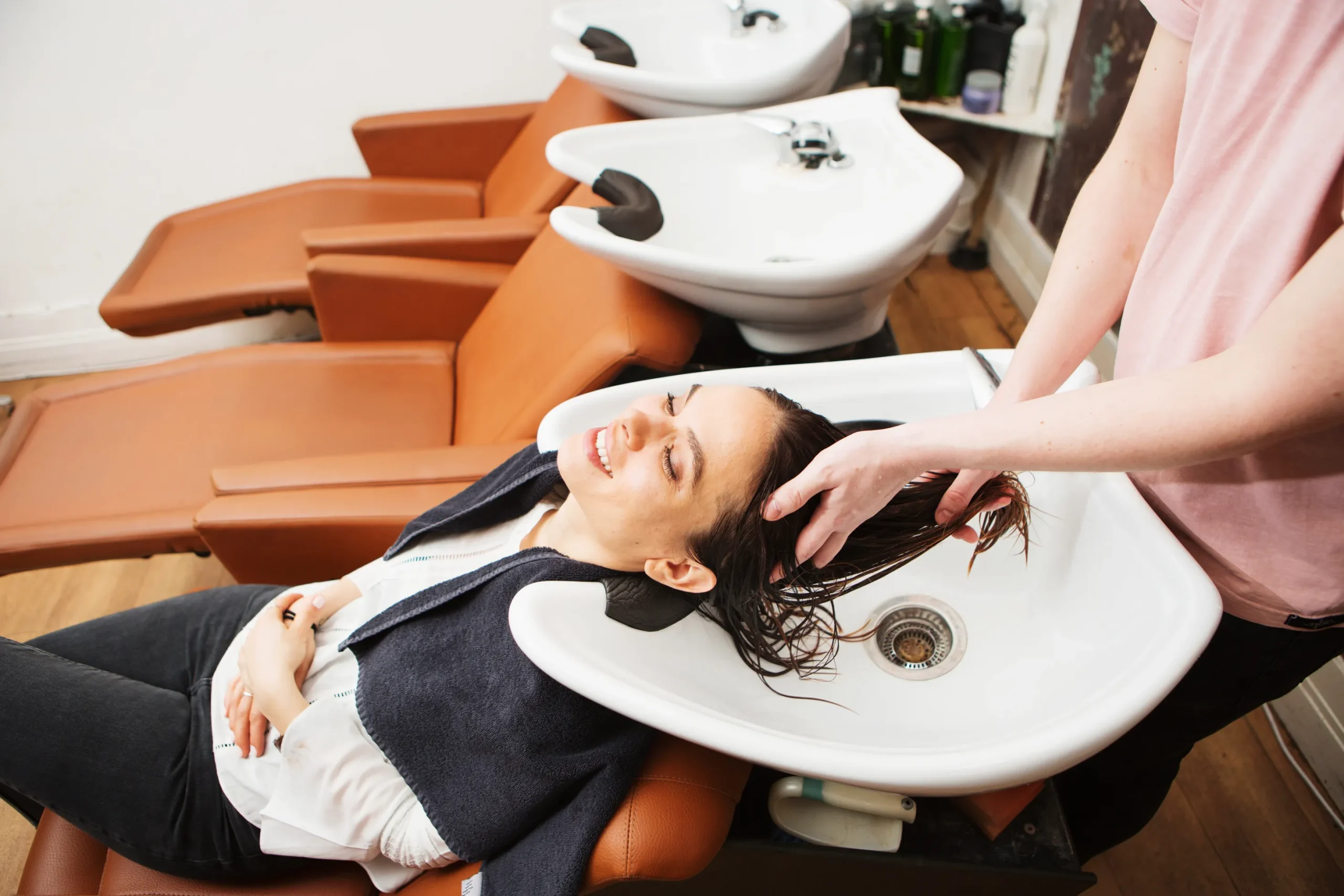
Start with a clarifying shampoo to remove any product buildup, oils, or silicones that could block the perm solution. Do not condition, as this can coat the hair and inhibit processing. Re-assess the hair’s condition while it’s wet.
Step 2: Sectioning and Wrapping
This is where the artistry begins. Section the hair neatly and precisely. The size of the sections and the choice of rod will directly determine the final curl pattern. Ensure wraps are even and tension is consistent to avoid “fishhooks” (straight ends) or uneven curl development.
Step 3: Applying the Perm Solution
Apply the waving lotion carefully and thoroughly to each rod, using a applicator bottle to minimize drips. Follow the manufacturer’s processing time precisely, checking a test curl periodically.
Step 4: Rinsing and Neutralizing
Once processing is complete, rinse the hair thoroughly with lukewarm water while still on the rods. Gently blot excess water before applying the neutralizer according to the product’s instructions. This step re-hardens the hair’s bonds in its new curly shape.
Step 5: Post-Perm Care and Styling
After removing the rods, give a final rinse and apply a post-perm conditioner or treatment to restore pH balance and moisture. Style as desired, using curl-enhancing products to define the new texture.
Advanced Considerations for Flawless Results
Matching Rod Size to Desired Outcome
- Small Rods (Red/Yellow): Create tight, defined curls (spiral perm).
- Medium Rods (White/Orange): Produce classic, bouncy curls.
- Large Rods (Blue/Grey): Deliver soft waves or body waves.
Chemical Considerations: Acid vs. Alkaline Perms
Alkaline (Cold) Perms: Use ammonium thioglycolate, work at room temperature, and are stronger. Best for resistant, virgin hair. Acid Perms: Use glyceryl monothioglycolate and require heat to process. They are gentler and better for delicate, color-treated, or porous hair.
Integrating Color with Perming
This requires expert knowledge. Generally, it’s safer to perm first and color two weeks later. If coloring first, use a gentle, no-lift demi-permanent color and wait at least a week before perming. Always strand test.
Building Your Perm Service Menu and Marketing
Now that you’re armed with technical knowledge, it’s time to translate it into business growth.
Creating Service Tiers
- Signature Wave Perm: Your standard body or wave perm.
- Volume Boost Root Perm: A targeted service for lift.
- Bespoke Texture Perm: A premium service combining spot and spiral techniques for a fully customized look.
Marketing Your Expertise
Use social media to showcase stunning before-and-after photos and video tutorials of your short hair perms. Host a “Perm Party” or workshop to educate clients on the modern possibilities. Partner with local fashion influencers who have short hair to demonstrate the transformative power of your services.
Conclusion: Curl Confidence for You and Your Clients
The world of perms for short hair is rich with potential. By understanding the different types of perms, mastering the technical application, and implementing a strategic business approach, you can unlock a new realm of styling possibilities for your clients and a significant revenue stream for your business. Embrace the curl revolution and watch your clients—and your bookings—transform.