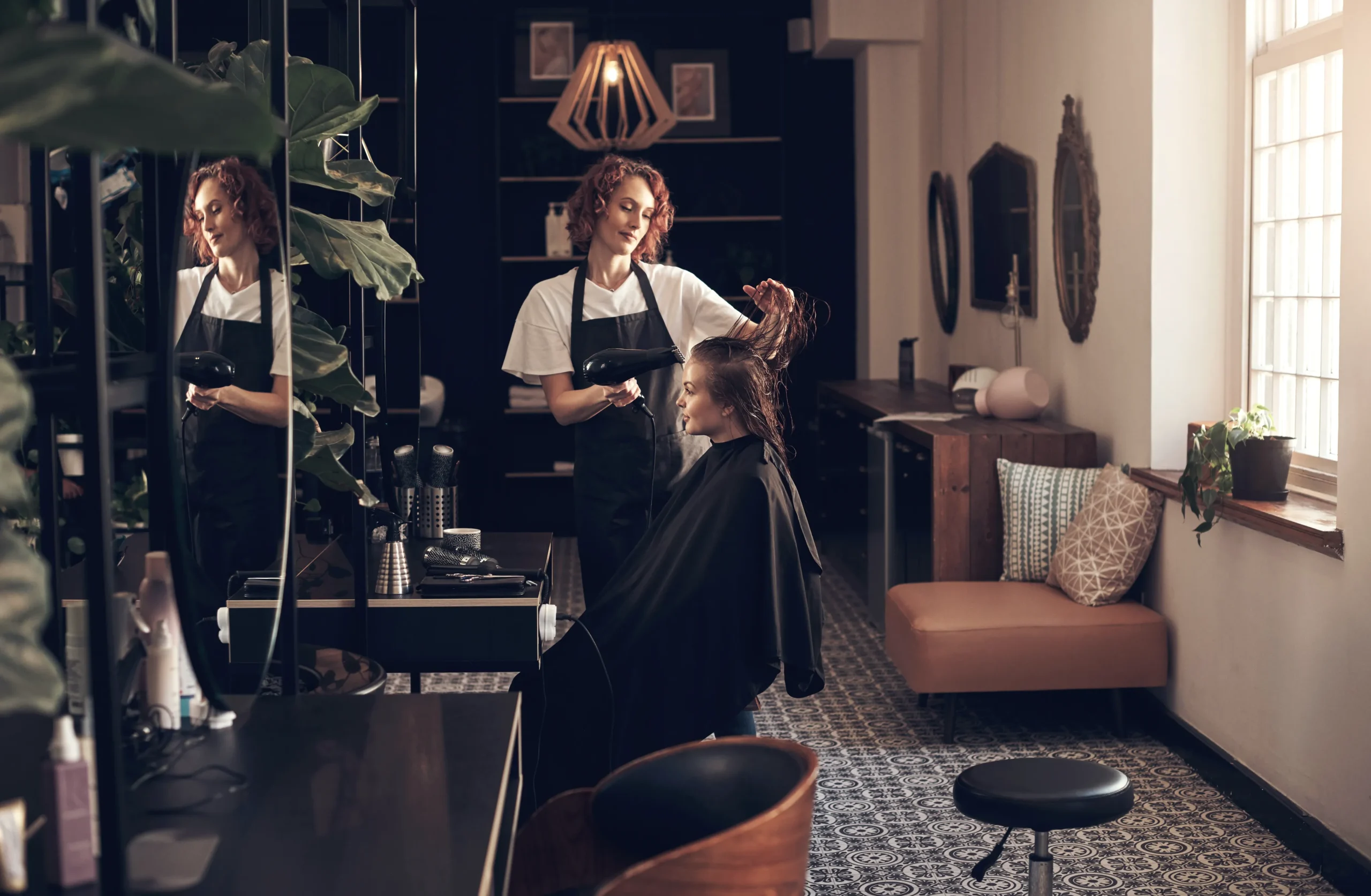
Crafting Sanctuary: The Ultimate Guide to Designing a Profitable and Inviting Salon Interior
In the world of beauty and wellness, your salon’s interior is far more than just four walls and a roof. It is the silent ambassador of your brand, the first touchpoint for client expectations, and a critical factor in their overall experience. A thoughtfully designed salon interior can elevate a simple haircut or facial into a transformative ritual, fostering loyalty, encouraging repeat business, and setting you apart in a competitive market. For business owners in the spa, clinic, salon, and wellness industry, investing in your interior design is not an expense; it’s a strategic investment in your brand’s future and profitability. This comprehensive guide will walk you through the essential elements of creating a space that is not only beautiful but also functional, compliant, and profoundly welcoming.
The Psychology of Space: Why Your Salon’s Interior Matters
Before we delve into the specifics of layout and decor, it’s crucial to understand the “why.” The environment you create has a direct psychological impact on both your clients and your staff.
First Impressions and Client Retention
A client forms an opinion about your business within seconds of walking through the door. A cluttered, dim, or outdated space can signal a lack of professionalism or care, even if your technical skills are exceptional. Conversely, a clean, stylish, and harmonious interior immediately builds trust and sets a positive tone for the service. It tells clients that you value quality and attention to detail in every aspect of your business.
Enhancing the Client Experience
Your salon is a place of transformation. The interior design should support this narrative. The right ambiance can reduce a client’s anxiety, make them feel pampered, and turn a routine appointment into a cherished escape from daily stress. This emotional connection is what transforms one-time visitors into lifelong advocates.
Boosting Staff Morale and Productivity
Your team spends more time in the salon than anyone else. A well-designed, ergonomic, and pleasant work environment reduces physical strain, minimizes fatigue, and fosters a positive, collaborative atmosphere. Happy and comfortable stylists and therapists are more productive, creative, and provide better service, creating a virtuous cycle of excellence.
Laying the Foundation: Core Design Principles for a Successful Salon
Great salon design rests on a few foundational principles. Balancing these elements is key to creating a cohesive and effective space.
1. Functionality and Workflow (The “Backstage” Magic)
Beauty is nothing without efficiency. Your salon’s layout must facilitate a smooth workflow for your staff. This is the “backstage” element that clients may not consciously notice but will definitely feel if it’s absent.
- The Reception & Waiting Area: This is your welcome mat. It should be inviting but not crowded. Ensure there is clear visibility from the reception desk to the entrance and the main service areas.
- The Service Floor: Plan for adequate space between styling stations, nail tables, or treatment beds to ensure privacy and easy movement for staff. Avoid creating traffic jams.
- Backbar and Storage: Ample, organized storage at each station and in a central backbar area is non-negotiable. It keeps the service floor tidy and allows stylists to work efficiently without constantly leaving their client.
- Shampoo & Wash Area: Position this area for easy access but with consideration for client privacy and comfort. Proper plumbing and comfortable chairs are a must.
2. Cohesive Aesthetic and Brand Identity
Your interior should be a physical manifestation of your brand. Are you a sleek, urban boutique? A rustic, organic wellness haven? A high-tech clinical skin clinic? Every design choice—from the color palette and lighting to the furniture and artwork—should reinforce this identity.
- Color Psychology: Soft neutrals and pastels can create a calming, spa-like feel. Bold, dramatic colors can convey energy and creativity. Whites and chromes often signal cleanliness and modernity, ideal for clinics.
- Material Selection: Use materials that are not only beautiful but also durable and easy to clean. Consider easy-to-sanitize surfaces for clinics and high-traffic areas.
3. The Power of Lighting
Lighting is arguably the most important design element in a salon. It serves multiple, critical functions.
- Task Lighting: This is the bright, accurate light needed at styling stations, makeup mirrors, and treatment areas for precise color work and technical procedures. It should be shadow-free and color-correct (often mimicking natural daylight).
- Ambient Lighting: This is the general illumination of the space. Dimmable overhead lights or soft wall sconces can create a warm, relaxing atmosphere.
- Accent Lighting: Use this to highlight specific features like retail displays, artwork, or architectural details, adding depth and visual interest to the space.
Zoning Your Salon for Success: A Room-by-Room Breakdown
Let’s break down the key areas of a typical salon or spa and explore the specific design considerations for each.
The Reception and Welcome Zone
This area sets the stage. It should be both functional and welcoming.
- Desk Design: The reception desk should be clean, uncluttered, and have enough space for a computer, phone, and payment terminal. It should also have discreet storage.
- Waiting Area: Invest in comfortable, stylish seating. Offer amenities like water, tea, or coffee, and current magazines. This is also the perfect place for your retail display.
- Check-in/out Flow: Design the space so the process of checking in and out is smooth and doesn’t create a bottleneck.
The Service Floor: Where the Magic Happens
This is the heart of your operation. Comfort, privacy, and efficiency are paramount.
- Styling Stations: Choose ergonomic chairs and mirrors. Ensure each station has sufficient personal storage and access to power for tools. The layout should allow for easy conversation between stylist and client without shouting.
- Shampoo Area: Create a spa-like experience. Comfortable, reclining chairs with neck supports, gentle, warm lighting, and perhaps a water feature or calming music can make the hair wash a highlight of the visit.
- Treatment Rooms (for Spas/Clinics): These must be soundproofed, have controlled lighting, and offer complete privacy. Surfaces should be non-porous and easy to sanitize. Ample storage for linens and products within the room is essential.
The Support Spaces: The Engine Room
These areas are for staff only but are critical to smooth operations.
- Staff Room/Break Area: A clean, comfortable, and well-equipped break room shows your staff they are valued. Include lockers, a kitchenette, and a relaxing seating area.
- Storage & Laundry: Dedicate a specific, organized area for product inventory, clean linens, and soiled laundry. Good organization here saves time and money.
- Utility/Color Bar: A dedicated, well-ventilated area for mixing colors and cleaning tools keeps the main service area tidy and safe.
Navigating Practicalities: Compliance, Budget, and Maintenance
A beautiful salon that isn’t functional or compliant is a liability. Here’s how to balance aesthetics with hard-nosed practicality.
Health, Safety, and Regulatory Compliance
This is non-negotiable. Your design must adhere to all local building codes, health regulations, and accessibility standards (like the ADA in the U.S.).
- Ventilation: Proper ventilation is crucial, especially in areas where chemicals are used (color bar, nail stations) to protect staff and client health.
- Slip-Resistant Flooring: Choose flooring that provides traction, even when wet, to prevent accidents.
- Sanitation: Design with cleaning in mind. Surfaces should be easy to wipe down. Ensure there are enough hand-washing stations for staff.
- Accessibility: Ensure your space is accessible to clients and staff with disabilities. This includes wide doorways, accessible restrooms, and maneuverable space around stations.
Budgeting and Phasing Your Design Project
A full salon redesign is a significant investment. Smart planning can make it manageable.
- Prioritize: Identify what needs immediate attention (e.g., broken chairs, poor lighting) versus what can be a future upgrade (e.g., new flooring, custom cabinetry).
- Invest in Durability: It’s often more cost-effective in the long run to invest in high-quality, durable furniture and fixtures that will withstand heavy use.
- DIY vs. Professional: While you can handle some decor elements, hiring a professional designer who specializes in commercial spaces, especially salons, can save you from costly mistakes and help you maximize your budget and space.
Creating a Maintenance Plan
A salon’s interior requires constant upkeep to maintain its appeal.
- Daily Cleaning Protocols: Establish clear cleaning routines for all areas, from sweeping hair off the floor to disinfecting surfaces.
- Deep Cleaning Schedule: Plan for regular deep cleaning of upholstery, carpets, and hard-to-reach areas.
- Preventative Maintenance: Regularly check and service plumbing, electrical systems, and furniture to prevent major breakdowns.
Inspiring Themes and Trends for Modern Salons
To spark your creativity, here are a few popular and enduring design themes:
Biophilic Design: Bringing the Outdoors In
This trend focuses on incorporating natural elements to reduce stress and improve well-being. Think living green walls, abundant plants, natural wood finishes, stone accents, and maximizing natural light.
Industrial Chic
Characterized by raw, unfinished elements like exposed brick, concrete floors, and visible ductwork, this style is often balanced with warm wood, metallic accents, and soft lighting to create an edgy yet inviting atmosphere.
Minimalist & Scandinavian
This style emphasizes clean lines, a neutral color palette, clutter-free spaces, and functional furniture. It creates a sense of calm, order, and purity, which is highly appealing in a clinical or high-end spa setting.
Art Deco Glamour
For a touch of luxury and drama, consider Art Deco influences. Think rich jewel tones, velvet upholstery, geometric patterns, and statement lighting fixtures like chandeliers.
Conclusion: Your Interior as Your Greatest Asset
Designing your salon’s interior is a profound opportunity to articulate your brand’s story, enhance your clients’ experience, and build a productive and joyful environment for your team. It requires a careful balance of aesthetics, functionality, and compliance. By viewing your space as a strategic tool—one that can attract new clients, retain existing ones, and empower your staff—you can transform your salon, spa, or clinic from a mere service provider into a beloved destination. Remember, you are not just designing a room; you are crafting a sanctuary where beauty, wellness, and business success beautifully intertwine.