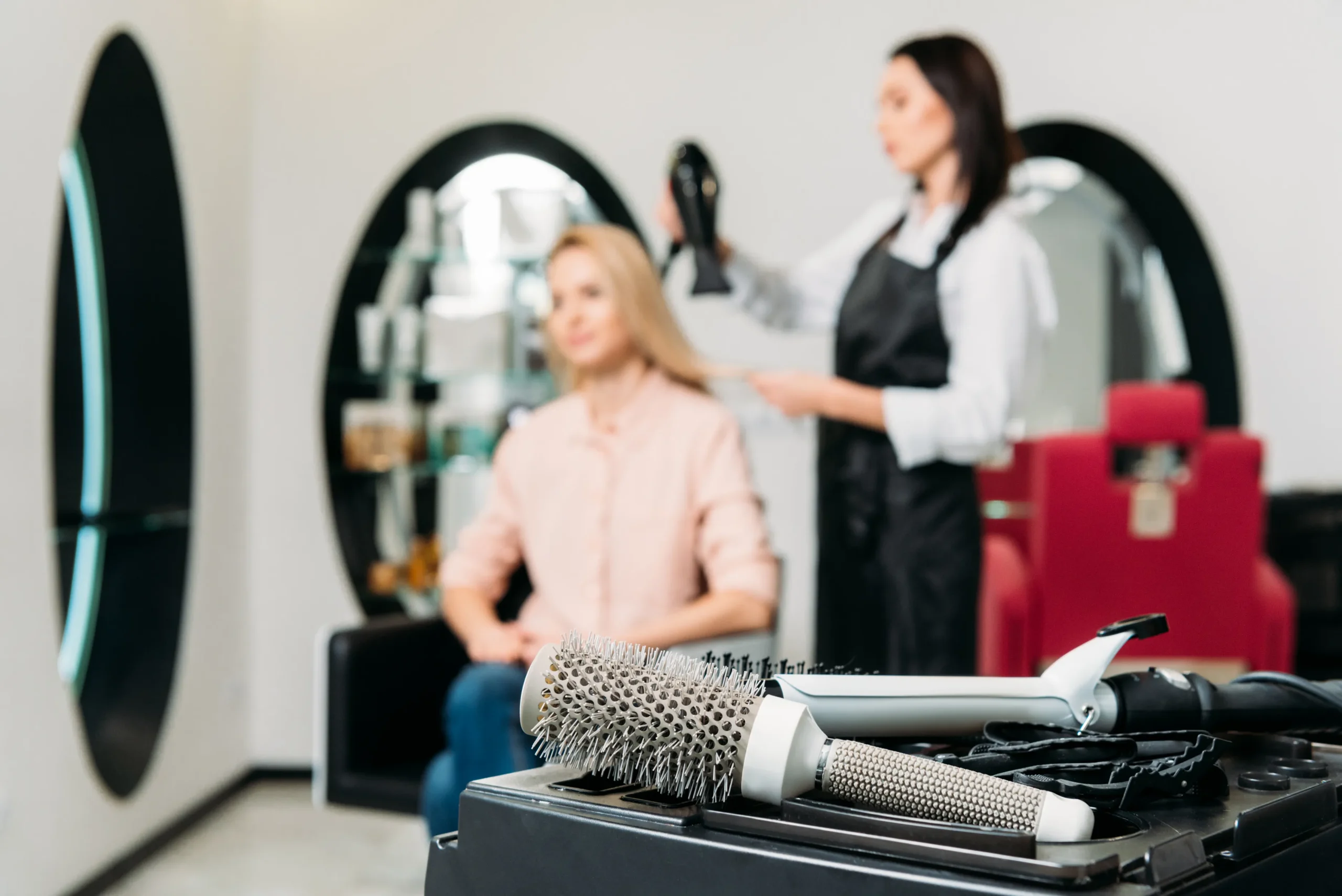
Beyond the Chair: Crafting a Marketing Blueprint That Fills Your Salon Book
In the bustling world of beauty and wellness, a stunning salon interior and skilled stylists are only half the battle. The other, often more challenging half, is ensuring a steady stream of clients walking through your door. This is where a strategic, well-executed marketing plan transforms from a “nice-to-have” into your business’s lifeblood. A marketing plan is not a one-off task; it’s a dynamic roadmap that aligns your business goals with the needs and desires of your target market. It’s about building a brand that resonates, creating experiences that are shared, and fostering loyalty that turns first-time visitors into lifelong advocates. This comprehensive guide will walk you through the essential steps to build a powerful marketing plan tailored specifically for the unique dynamics of a salon business.
Why Your Salon Desperately Needs a Strategic Marketing Plan
Many salon owners, especially those just starting, operate on a reactive marketing model—running a promotion when bookings are slow or posting on social media sporadically. This ad-hoc approach yields inconsistent results and makes growth unpredictable. A strategic marketing plan provides the structure and direction needed for sustainable success.
- Clarity and Focus: It forces you to define your brand, identify your ideal client, and concentrate your efforts on what truly works, preventing wasted time and resources on ineffective tactics.
- Measurable Growth: With clear goals and key performance indicators (KPIs), you can track what’s driving bookings and revenue, allowing for data-driven decisions.
- Competitive Advantage: In a saturated market, a strong brand identity and a consistent marketing message help you stand out from the salon down the street.
- Team Alignment: A clear plan ensures your entire team—from reception to senior stylists—understands the brand promise and works towards common objectives.
Phase 1: The Foundation – Laying the Groundwork for Success
Before you spend a dollar on advertising, you must build a solid foundation. This phase is all about introspection and research.
Conducting a SWOT Analysis
Begin by conducting an honest SWOT analysis (Strengths, Weaknesses, Opportunities, Threats) of your salon.
- Strengths: What are you best at? (e.g., expert balayage specialists, exceptional customer service, prime location).
- Weaknesses: Where can you improve? (e.g., outdated online booking system, limited retail offerings, high staff turnover).
- Opportunities: What external factors can you leverage? (e.g., a growing demand for organic products, a new residential complex opening nearby, a gap in the market for men’s grooming).
- Threats: What challenges do you face? (e.g., new competitor openings, rising product costs, economic downturns).
Defining Your Target Audience with Precision
“Everyone” is not a target market. The more specific you are, the more effective your marketing will be. Create detailed client avatars.
- Demographics: Age, gender, income level, occupation, location.
- Psychographics: Lifestyle, values, interests, beauty aspirations, pain points (e.g., “too busy for complicated routines,” “struggles with frizzy hair”).
- Behavior: How do they find salons? (Instagram, Google search, word-of-mouth). What services are they most interested in?
For example, your target might be “Professional women, 30-45, living within a 5-mile radius, who value premium, natural-looking colour corrections and time-efficient services.”
Analyzing the Competition
Identify your top 3-5 competitors. Analyze their:
- Pricing structure
- Service menu
- Online presence (website, social media activity, reviews)
- Brand messaging and visual identity
The goal is not to copy them, but to identify gaps in the market and opportunities to differentiate your salon.
Phase 2: Crafting Your Core Marketing Strategy
With a deep understanding of your position and your audience, you can now build the core pillars of your strategy.
Establishing Your Unique Selling Proposition (USP)
Your USP is the single most compelling reason a client should choose you over anyone else. It answers the question, “Why you?”
- Is it your use of 100% vegan and cruelty-free products?
- Is it your team of certified hair extension specialists?
- Is it your unparalleled focus on client education and at-home hair care?
Your USP must be authentic, relevant to your target audience, and woven into every aspect of your marketing.
Setting SMART Marketing Goals
Vague goals lead to vague results. Frame your objectives using the SMART criteria:
- Specific: “Increase clientele” is vague. “Acquire 50 new clients in Q3” is specific.
- Measurable: You must be able to track it. Use metrics like new bookings, service revenue, retail sales, or email list growth.
- Achievable: Be ambitious but realistic. Can your team and capacity handle this growth?
- Relevant: Does this goal align with your broader business objectives?
- Time-bound: Set a clear deadline. “Within the next 90 days.”
Determining Your Marketing Budget
Your budget dictates your tactics. A common approach for small businesses is to allocate a percentage of projected gross revenue (typically 5-10%) to marketing. Break this down into categories:
- Digital Advertising (Social Media Ads, Google Ads)
- Print & Collateral (Menus, Loyalty Cards)
- Website Maintenance & SEO
- Software (Booking, Email Marketing)
- Community Events/Sponsorships
Phase 3: The Marketing Mix – Your Tactical Toolkit
This is where your plan comes to life. Deploy a mix of online and offline tactics to reach your audience at different touchpoints.
Digital Domination: Online Marketing Essentials
1. A High-Converting Website
Your website is your digital storefront. It must be:
- Mobile-First: The majority of clients will book from their phones.
- Easy to Navigate: Clear menu, service descriptions, and pricing (or starting prices).
- Equipped with Online Booking: Reduce friction and capture bookings 24/7.
- SEO-Optimized: Use local keywords like “best hair salon in [Your City]” or “balayage specialist near me” to appear in local searches.
2. A Strategic Social Media Presence
Don’t just post; have a strategy. Focus on platforms where your target audience lives (likely Instagram, Facebook, and Pinterest).
- Showcase Your Work: High-quality before-and-after photos and videos are your most powerful asset.
- Humanize Your Brand: Introduce your team, share behind-the-scenes content, and celebrate milestones.
- Engage, Don’t Just Broadcast: Respond to comments, run polls, and ask questions in your Stories.
- Utilize Paid Ads: Use targeted Facebook and Instagram ads to promote special offers to lookalike audiences or people in your local area.
3. Masterful Email and SMS Marketing
This is your direct line to your clients.
- Build Your List: Offer a small incentive (e.g., 10% off first visit) for signing up on your website.
- Segment Your Audience: Send different messages to new clients, loyal clients, and those who haven’t visited in 6 months.
- Provide Value: Send seasonal style tips, haircare advice, and exclusive promotions—not just sales pitches.
- Automate Reminders & Re-engagement: Set up automated emails/SMS for appointment reminders and “We Miss You” campaigns for lapsed clients.
Grassroots Growth: Offline and Community Marketing
1. Unleash the Power of Referrals
Your happy clients are your best salespeople.
- Implement a formal referral program: “Refer a friend and you both get 20% off your next service.”
- Train your team to politely ask for referrals after a successful service.
2. Forge Local Partnerships
Cross-promote with complementary, non-competing businesses.
- Partner with a local boutique: Offer their customers a discount at your salon, and they can offer your clients a discount in their store.
- Collaborate with a wedding planner, photographer, or makeup artist.
3. Host Events and Workshops
Position your salon as an authority and a community hub.
- Host a “Blowout & Bubbles” night.
- Run a workshop on “How to Style Your Hair at Home” or “Curly Hair Care Basics.”
Phase 4: Execution, Analysis, and Adaptation
A plan is useless without action and review.
Creating a Marketing Calendar
Map out your entire year. Plan campaigns around seasons, holidays, and local events. This ensures consistent marketing activity and prevents last-minute scrambling.
Tracking Key Performance Indicators (KPIs)
What gets measured, gets managed. Track metrics like:
- Number of New Clients per Month
- Client Retention Rate
- Average Spend per Client
- Return on Investment (ROI) for specific campaigns (e.g., for every $1 spent on a Facebook ad, how much revenue was generated?)
- Website Traffic and Online Booking Conversion Rate
The Cycle of Continuous Improvement
Review your KPIs monthly and your overall plan quarterly. What worked? What didn’t? Why? Be prepared to pivot and adapt your strategies. The marketing landscape is always changing, and so should your plan.
Conclusion: Your Salon’s Future is in the Plan
Crafting a comprehensive marketing plan is an investment that pays dividends in client loyalty, brand strength, and financial stability. It moves you from hoping for clients to strategically attracting them. It transforms your salon from a service provider into a sought-after brand. Remember, the most beautiful hairstyle is one that’s seen and admired. A powerful marketing plan ensures your salon’s artistry doesn’t go unnoticed. Start today—define your audience, sharpen your message, and execute with purpose. Your fully booked future awaits.