






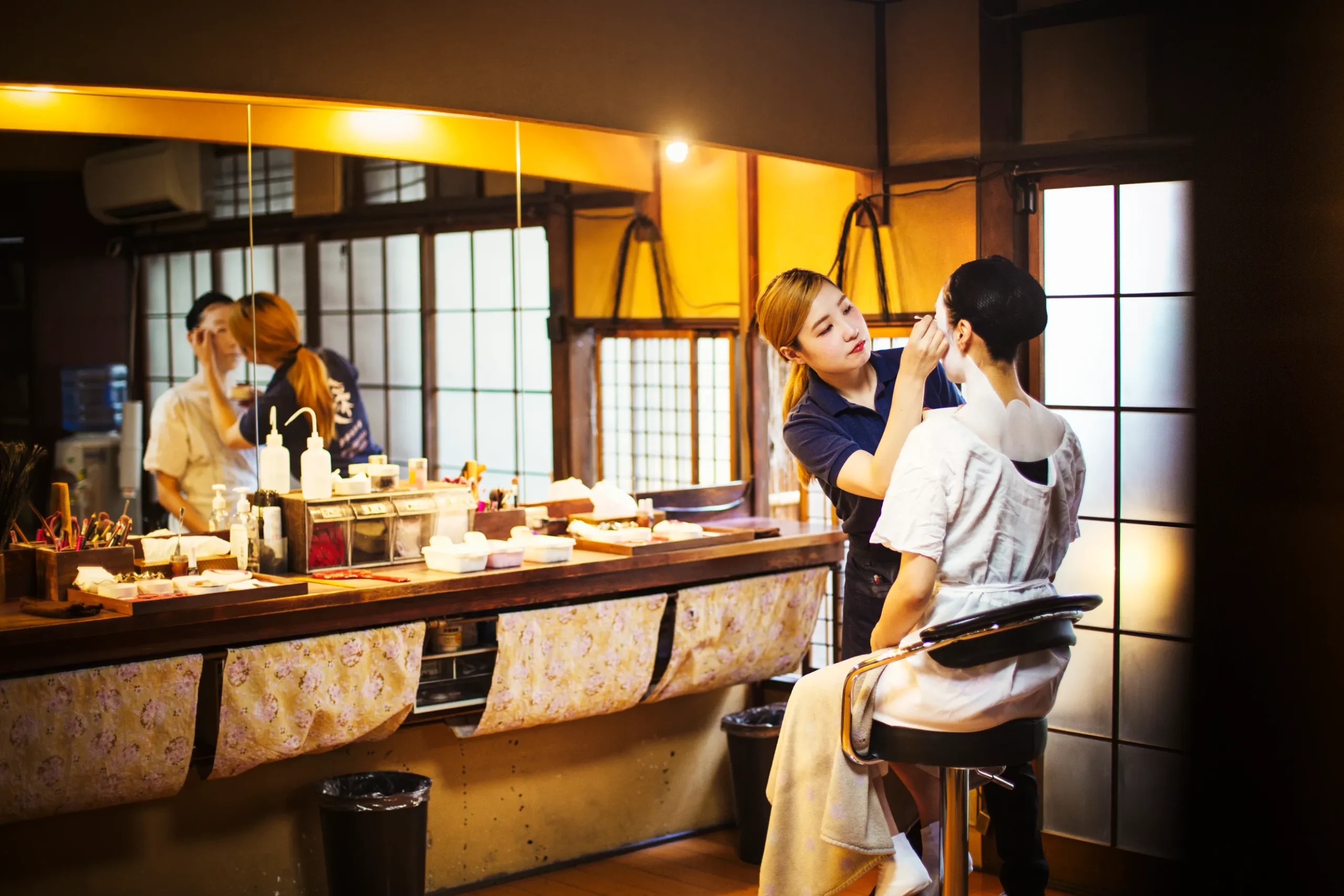
Introduction:
Beauty industry professionals play a vital role in helping individuals enhance their natural beauty and boost their confidence. Among these experts, estheticians stand out for their expertise in skincare, providing personalized treatments and guidance to clients seeking healthier, radiant skin. In a world where self-care and self-love are increasingly valued, the role of estheticians is crucial in promoting overall well-being and nurturing a positive self-image.
Key Points:
1. The Art of Skincare Consultation: A fundamental aspect of an esthetician’s work is conducting thorough skincare consultations with clients. By assessing a client’s skin type, concerns, and goals, estheticians can tailor customized treatment plans that address specific needs. This personalized approach not only enhances the effectiveness of skincare treatments but also fosters a deeper connection between the esthetician and the client, building trust and loyalty over time.
Effective skincare consultations involve active listening, asking probing questions, and paying attention to detail. Estheticians must understand the client’s lifestyle, skincare routine, and any potential sensitivities before recommending suitable products and treatments. By establishing clear communication and setting realistic expectations, estheticians can empower clients to take better care of their skin and achieve desired results.
2. Holistic Approach to Skin Health: Many estheticians adopt a holistic approach to skincare, recognizing the interconnectedness of internal and external factors that influence skin health. Beyond topical treatments, they emphasize the importance of lifestyle habits, nutrition, and stress management in achieving glowing, healthy skin. By addressing underlying issues and promoting overall well-being, estheticians empower clients to cultivate sustainable skincare habits that support long-term skin health.
A holistic skincare regimen may incorporate techniques such as facial massage, lymphatic drainage, and gua sha to enhance circulation, promote detoxification, and rejuvenate the skin. Estheticians often educate clients on the benefits of self-care practices and self-massage techniques that can complement professional treatments and maintain skin vitality between appointments.
3. Trending Skincare Innovations: The skincare industry is constantly evolving, with new technologies and trends emerging to revolutionize traditional skincare practices. Estheticians stay informed about the latest innovations, from advanced ingredients and formulations to cutting-edge tools and devices that enhance treatment outcomes. By incorporating these innovations into their practice, estheticians can offer clients access to state-of-the-art skincare solutions that deliver visible results.
Innovative skincare treatments such as LED therapy, microcurrent facials, and dermaplaning have gained popularity for their ability to address a variety of skin concerns, from acne and pigmentation to signs of aging and dullness. Estheticians leverage their expertise to recommend the most suitable treatments based on individual skin needs, ensuring optimal efficacy and client satisfaction.
4. Building Client Relationships and Loyalty: Establishing strong relationships with clients is essential for the success of an esthetician’s practice. By creating a welcoming and nurturing environment, estheticians can cultivate trust and rapport with their clients, fostering a sense of comfort and confidence in the skincare journey. Regular communication, personalized recommendations, and attentive follow-ups are key strategies for building lasting connections and fostering client loyalty.
Beyond providing exceptional skincare treatments, estheticians prioritize client education, empowering individuals to make informed decisions about their skincare routine and product choices. By sharing knowledge, answering questions, and offering professional guidance, estheticians not only enhance the client experience but also instill a sense of empowerment and self-care awareness.
5. Embracing Diversity and Inclusivity in Skincare: In the pursuit of promoting healthy skin for all, estheticians recognize the importance of embracing diversity and inclusivity in skincare practices. Skin comes in a myriad of tones, textures, and conditions, and a one-size-fits-all approach to skincare is no longer sufficient. Estheticians advocate for diversity in product offerings, treatment options, and representation in the skincare industry to ensure that everyone receives personalized care that respects their unique skin needs.
By celebrating individual beauty in all its forms and promoting inclusivity in skincare conversations, estheticians create a welcoming and accepting space where clients feel seen, valued, and understood. Embracing diversity not only enriches the client experience but also drives positive change in the beauty industry, inspiring greater acceptance and appreciation for diverse beauty standards.
Conclusion:
In conclusion, estheticians play a pivotal role in promoting skin health, self-care, and self-confidence through personalized skincare solutions and holistic approaches. By fostering meaningful client relationships, staying abreast of skincare innovations, and embracing diversity in skincare practices, estheticians empower individuals to embrace their natural beauty and prioritize skin wellness. The expertise, dedication, and passion of estheticians embody the transformative power of skincare, nurturing both outer beauty and inner well-being in the quest for radiant, healthy skin.