






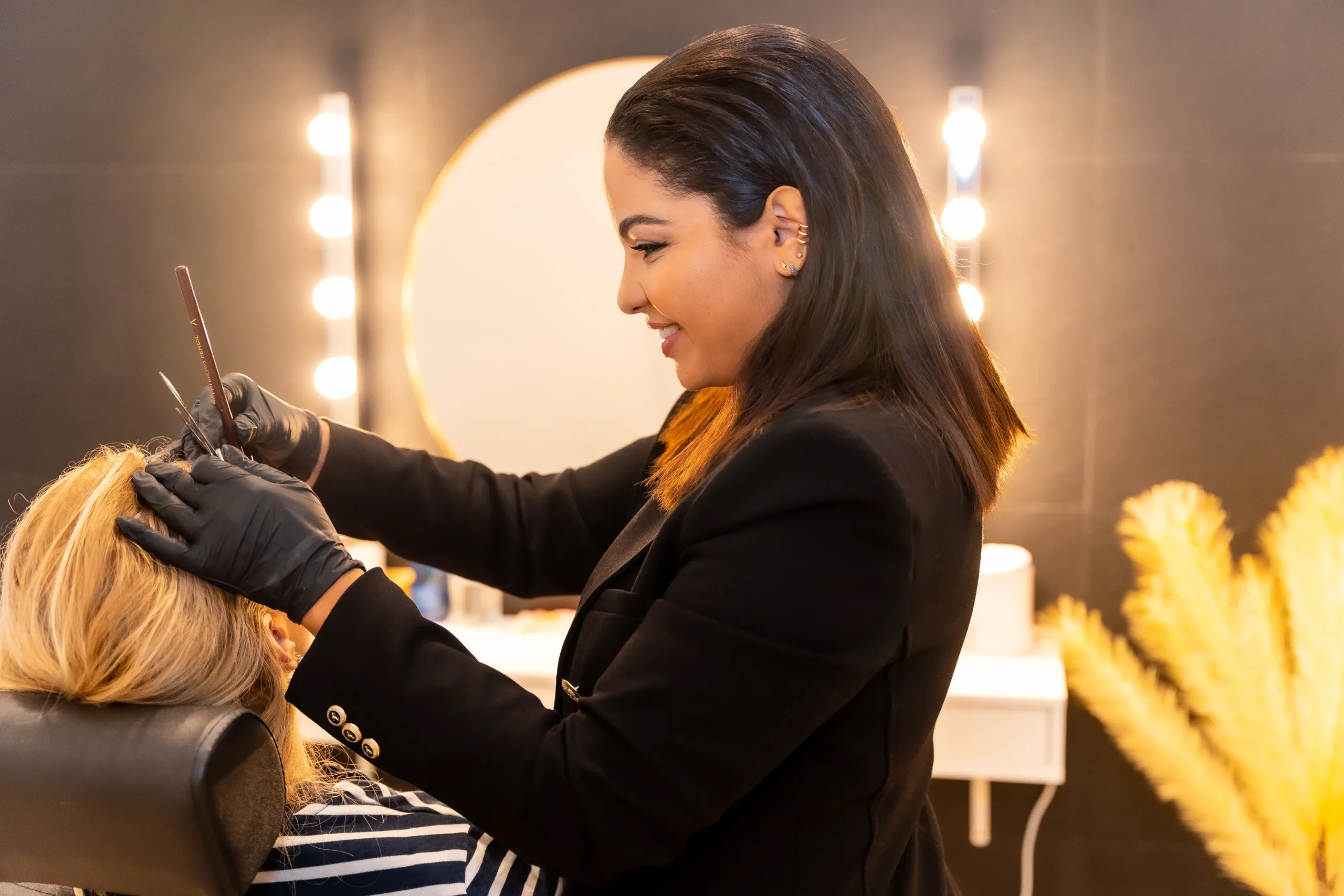
Introduction:
Hair is often described as a person’s crowning glory, a defining feature that reflects individuality, culture, and personal style. From luscious waves to sleek pixie cuts, hair comes in a myriad of textures, colors, and lengths, each telling a unique story. In today’s diverse society, the ways in which hair is styled, cared for, and celebrated are ever-evolving, influenced by historical trends, contemporary fashion, and cultural significance.
Key Points:
1. Diversity in Hair Textures: Hair textures vary widely among different individuals, ranging from straight and fine to curly, coiled, or tightly-kinked. Each texture comes with its unique set of challenges and styling possibilities. Embracing natural hair textures has become a powerful movement, inspiring people to celebrate their roots and showcase the beauty of their unique hair textures. Understanding how to care for and style diverse hair textures is essential for promoting inclusivity and self-expression.
Hair texture can also be influenced by factors such as climate, genetics, and hair care practices. For example, individuals living in humid environments may experience frizz and increased curl definition, while those with straight hair may find it challenging to maintain volume in damp conditions. By recognizing and appreciating the diversity of hair textures, we can cultivate a greater sense of acceptance and appreciation for all types of hair.
In the beauty industry, there is a growing emphasis on inclusivity and representation, with brands and professionals recognizing the importance of catering to a wide range of hair textures. From specialized products for curly hair to styling techniques for fine hair, the focus is shifting towards providing personalized solutions that celebrate the uniqueness of each individual’s hair texture.
2. Cultural Significance of Hairstyles: Hairstyles have long held cultural significance, serving as a form of expression, communication, and identity. In many cultures around the world, specific hairstyles are tied to rituals, traditions, and social roles. From intricate braids that convey familial heritage to shaved heads symbolizing spiritual devotion, hairstyles carry deep meaning and symbolism that connect individuals to their roots and communities.
Historically, hairstyles have been used as a means of social signaling, distinguishing individuals based on their age, status, and affiliations. In some cultures, certain hairstyles are reserved for special occasions or ceremonies, signifying transitions, achievements, or mourning. Understanding the cultural context behind different hairstyles helps foster respect for diverse traditions and fosters a sense of unity through shared values and customs.
Contemporary trends often draw inspiration from cultural hairstyles, blending traditional techniques with modern twists to create innovative looks that pay homage to the past while embracing the future. By embracing multicultural influences and celebrating diversity in hairstyles, we can bridge cultural divides, promote cultural exchange, and foster a sense of unity through shared beauty traditions.
3. Hair Color Symbolism and Trends: Hair color plays a significant role in shaping personal style, enhancing facial features, and expressing individuality. From natural hues to bold fashion colors, the choices we make in coloring our hair can reflect our mood, personality, and desired image. Different hair colors hold symbolic meanings across cultures, with shades like red symbolizing passion, black signifying elegance, and blonde representing youthfulness.
Hair color trends often evolve with the seasons and fashion trends, influenced by celebrities, social media influencers, and runway looks. Balayage, ombre, and pastel hues are among the popular coloring techniques that have gained widespread popularity, offering versatility and creativity in hair color transformations. Understanding the psychology behind different hair colors can help individuals make informed choices that align with their desired aesthetic and self-expression.
Hair color symbolism also extends beyond personal preference, with certain professions or social contexts prescribing specific color norms. For example, conservative industries may favor natural hair colors over vibrant hues, while creative fields may encourage experimental color choices as a form of self-expression. By exploring the nuances of hair color symbolism and trends, individuals can navigate their color choices with confidence and authenticity.
Conclusion:
Hair is more than just strands of protein; it embodies a rich tapestry of history, culture, and identity. By embracing the diversity of hair textures, recognizing the cultural significance of hairstyles, and understanding the symbolism behind hair color choices, we celebrate the beauty of individuality and promote inclusivity in all its forms. From afros to braids, platinum blondes to deep brunettes, every hairstyle tells a story and carries a message that resonates beyond words. Let us continue to cherish and honor the artistry of hair, weaving together a tapestry of beauty that celebrates our shared humanity.