Introduction:
Barbering and haircutting are both essential services in the grooming industry, offering individuals the opportunity to maintain their desired hairstyles and enhance their personal presentation. While these terms are sometimes used interchangeably, they encompass distinct practices that cater to different preferences and styles. Understanding the nuances between barbering and haircutting can help individuals make informed decisions about their grooming routines and find the service that best suits their needs.
Key Points:
1. The Art of Barbering:
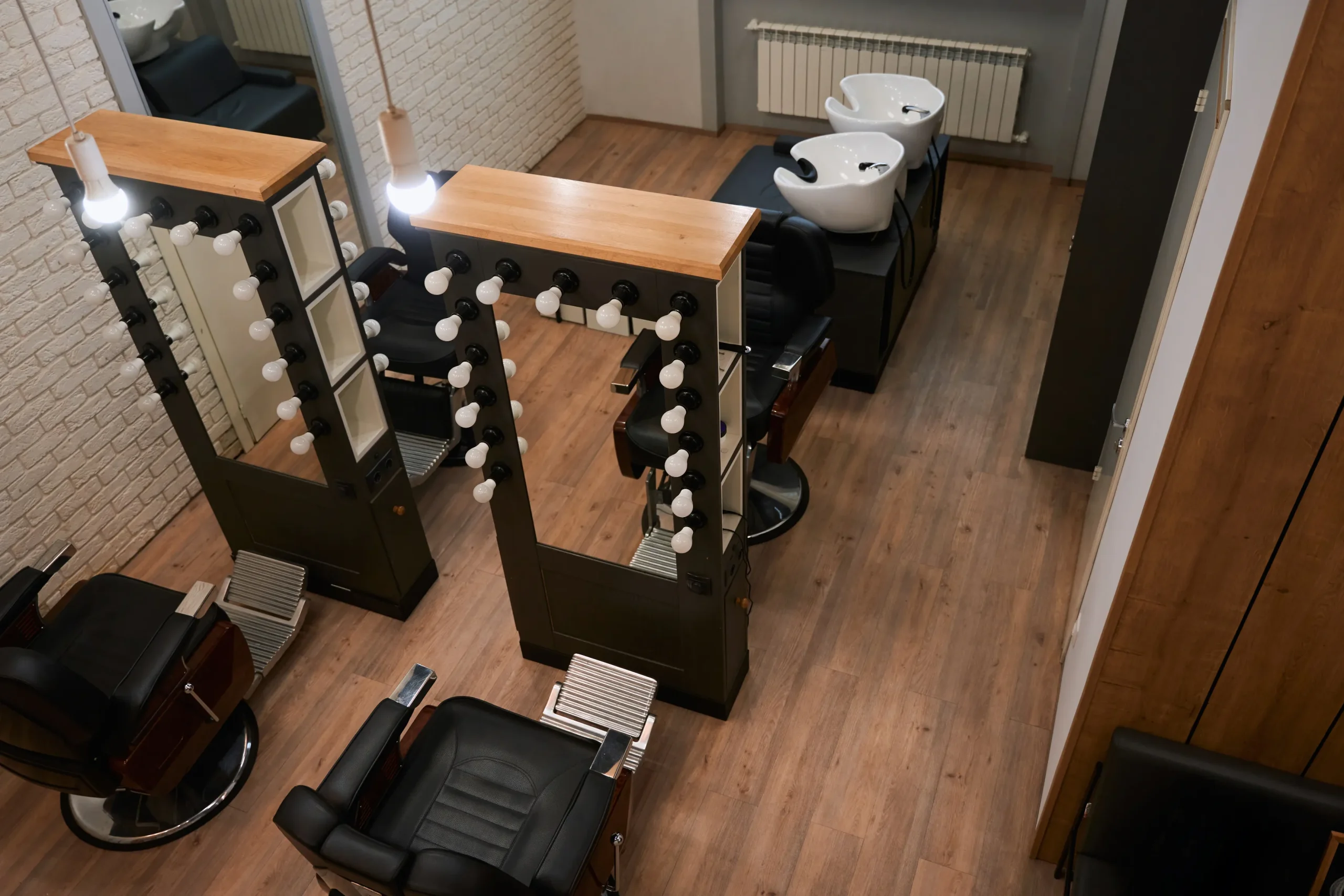
Barbering is a traditional form of grooming that focuses on precision cutting techniques, intricate detailing, and the use of specialized tools such as straight razors and clippers. Barbers undergo extensive training to master the art of creating classic men’s hairstyles, including fades, pompadours, and beard styling. The experience of visiting a barbershop is often characterized by its unique ambiance, camaraderie among patrons, and the timeless ritual of a hot towel shave. Barbering places a strong emphasis on craftsmanship, paying meticulous attention to every detail to achieve a polished and tailored look for each client. The barber-client relationship is built on trust and skill, with barbers often serving as confidants and style advisors, creating a personalized grooming experience that goes beyond just cutting hair.
2. The Practice of Haircutting:
Haircutting, on the other hand, encompasses a broader range of techniques and styles, catering to both men and women seeking professional hair services. Hairstylists who specialize in haircutting are adept at creating diverse looks, from short and edgy styles to long and layered cuts. While haircutting techniques may overlap with barbering in terms of basic cutting principles, haircutters typically focus on creating versatile and contemporary styles that reflect current trends and individual preferences. Haircutting services often take place in salons or studios that offer a more modern and inclusive environment, appealing to a diverse clientele seeking a wide range of hair services beyond traditional barbering. Clients can expect personalized consultations, creative color treatments, and styling options that cater to their lifestyle and aesthetic preferences.
3. Choosing Between Barbering and Haircutting:
When deciding between barbering and haircutting services, individuals should consider their specific grooming needs, style preferences, and the overall experience they seek. Those looking for classic men’s grooming services and specialized styles such as skin fades and beard sculpting may opt for a traditional barbershop experience. Barbershops often provide a sense of community, heritage, and skilled craftsmanship that appeals to clients seeking a timeless grooming ritual. On the other hand, individuals exploring a variety of haircut styles, color treatments, and styling options may prefer the versatility and creativity offered by haircutting professionals in modern salons. Hairstylists bring a contemporary approach to hair services, embracing the latest trends in cutting and styling techniques to cater to diverse tastes and fashion-forward individuals.
Conclusion:
In conclusion, the distinctions between barbering and haircutting highlight the diverse range of grooming services available to individuals seeking professional hair care. While barbering embodies tradition, precision, and classic men’s grooming techniques, haircutting embraces versatility, creativity, and modern styling trends for clients of all genders. By understanding the unique characteristics of each practice, individuals can make informed choices that align with their personal style preferences, grooming routines, and overall grooming experiences. Whether visiting a barbershop for a traditional trim or a salon for a contemporary transformation, both barbering and haircutting play integral roles in helping individuals look and feel their best.