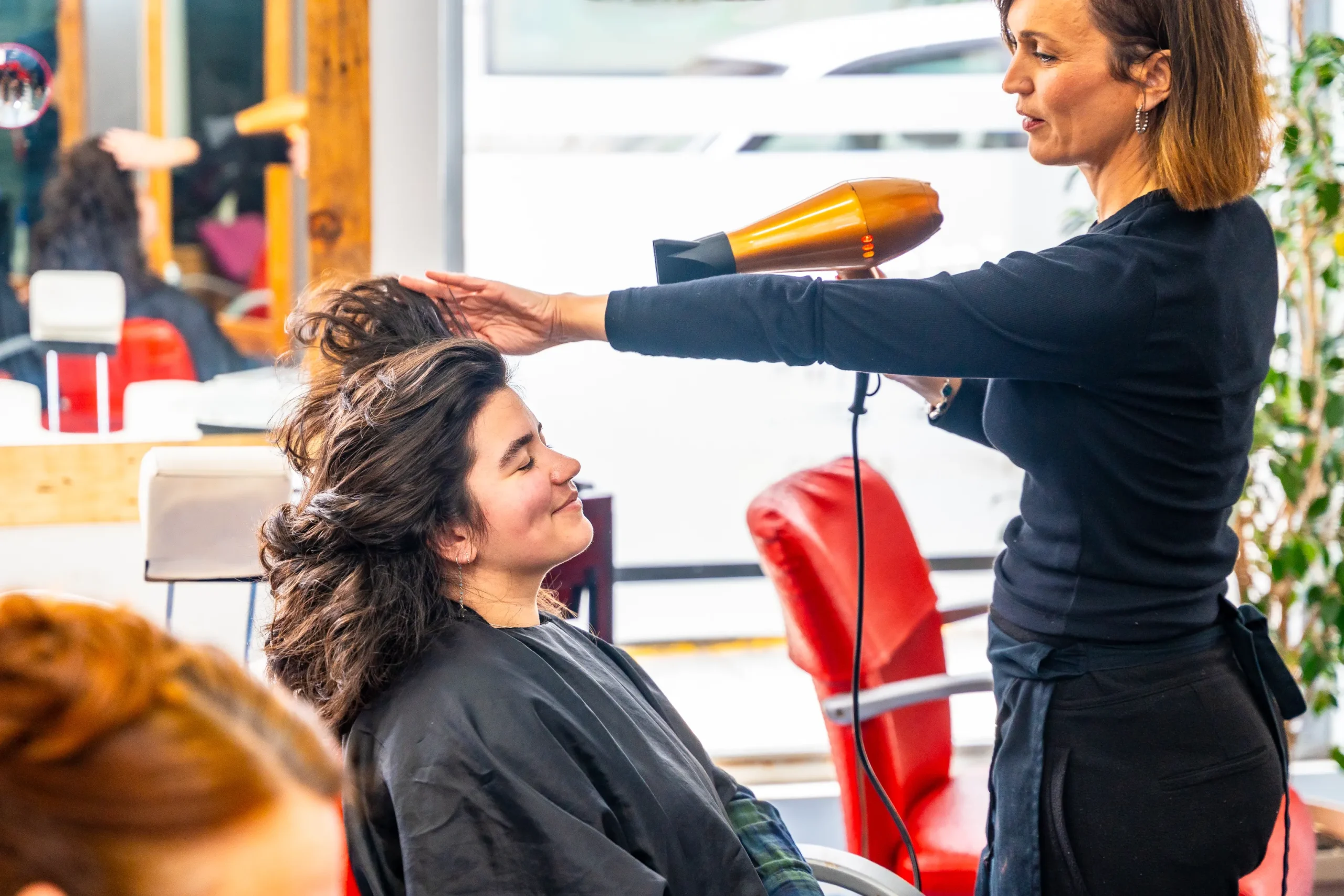
Designing a Welcoming Beauty Salon Interior
As we walk into a beauty salon, the first thing that catches our attention is the ambiance. A well-designed interior can make or break a salon’s atmosphere, influencing not just the client’s experience but also their overall perception of the business. In this article, we will delve into the key aspects of designing an inviting and effective beauty salon interior.
Introduction
A beauty salon is more than just a place where people go to get pampered; it’s an extension of oneself, where individuals can relax and rejuvenate. The interior design plays a crucial role in setting the tone for this experience. A beautiful salon interior not only reflects the brand’s personality but also provides a comfortable space for clients to unwind, socialize, and indulge in self-care. A good salon interior design should balance aesthetics with functionality, creating an environment that is both visually appealing and practical for both staff and clients. In today’s competitive market, having a unique and inviting salon space can help attract new customers and set your business apart from the rest.
Key Points
1. Aesthetic Appeal: The first step in designing an effective beauty salon interior is to consider its aesthetic appeal. A well-designed space should have a consistent visual identity that reflects the brand’s personality, values, and style. This includes elements such as color schemes, furniture, lighting fixtures, and accessories. 2. Lighting Design: Lighting plays a vital role in creating an ambiance that is both welcoming and relaxing. Different types of lighting can be used to create distinct moods, from soft and calming to bright and energizing. Consider using a combination of overhead lighting, table lamps, and floor lamps to achieve the desired effect. 3. Acoustic Design: A quiet and peaceful environment is essential for clients seeking relaxation or treatment in a salon. Acoustic design can help mitigate noise levels, reducing distractions and creating an atmosphere conducive to focus and calmness. 4. Ergonomic Considerations: Comfortable seating arrangements are vital in a beauty salon setting. Chairs should be ergonomically designed to accommodate different body types, with adjustable heights and angles ensuring that clients can fully relax during treatments. 5. Green Space: Incorporating plants or green walls into the design can bring an element of nature indoors. Not only do they purify the air but also contribute to a sense of calmness and serenity, creating a peaceful environment for both staff and clients. 6. Technology Integration: With technology increasingly becoming integral to salon operations, incorporating digital displays, tablets, or mobile apps into the design can enhance efficiency, communication, and client engagement. 7. Furniture and Fixtures: The choice of furniture and fixtures should complement the overall aesthetic while also serving practical purposes. Consider using comfortable seating options, ample storage for products and equipment, and durable materials that withstand regular use. 8. Color Scheme and Branding: The color scheme used in the salon’s interior design should align with the brand identity, conveying a message about quality, professionalism, and warmth. Consistency across all marketing materials is essential to maintain recognition and build trust with potential clients. 9. Client Feedback: Involve your target audience in the design process by conducting surveys or gathering feedback through social media platforms or comment cards. This will not only ensure that the final product meets client expectations but also contribute to a sense of ownership and loyalty towards the salon. 10. Budget-Friendly Options: With many beauty salons operating on limited budgets, it’s essential to prioritize spending based on functionality, aesthetics, and brand identity. Utilize cost-effective alternatives for fixtures, furniture, or materials that achieve the desired look without compromising the overall quality of the space.
Conclusion
A well-designed beauty salon interior is not just aesthetically pleasing but also functional and comfortable for both staff and clients. By considering factors such as aesthetic appeal, lighting design, acoustic considerations, ergonomic comfort, green spaces, technology integration, furniture and fixtures, color schemes, client feedback, and budget-friendly options, you can create a unique and inviting space that sets your salon apart from the competition. In today’s competitive beauty industry, it is essential to focus not just on providing excellent services but also on delivering an exceptional customer experience. By investing in beautiful and functional salon interior design, you can establish a loyal client base, increase revenue, and ultimately drive growth for your business.