






Introduction
Salons are businesses that require efficient and organized management to thrive. With the ever-increasing demand for beauty and grooming services, salon owners need to find ways to streamline their operations and provide excellent customer service. This is where salon management software comes in. This type of software is designed to help salon owners and managers manage their business effectively and efficiently. In this article, we will discuss the key points to consider when looking for the best salon management software.
Key Points
1. Appointment Management
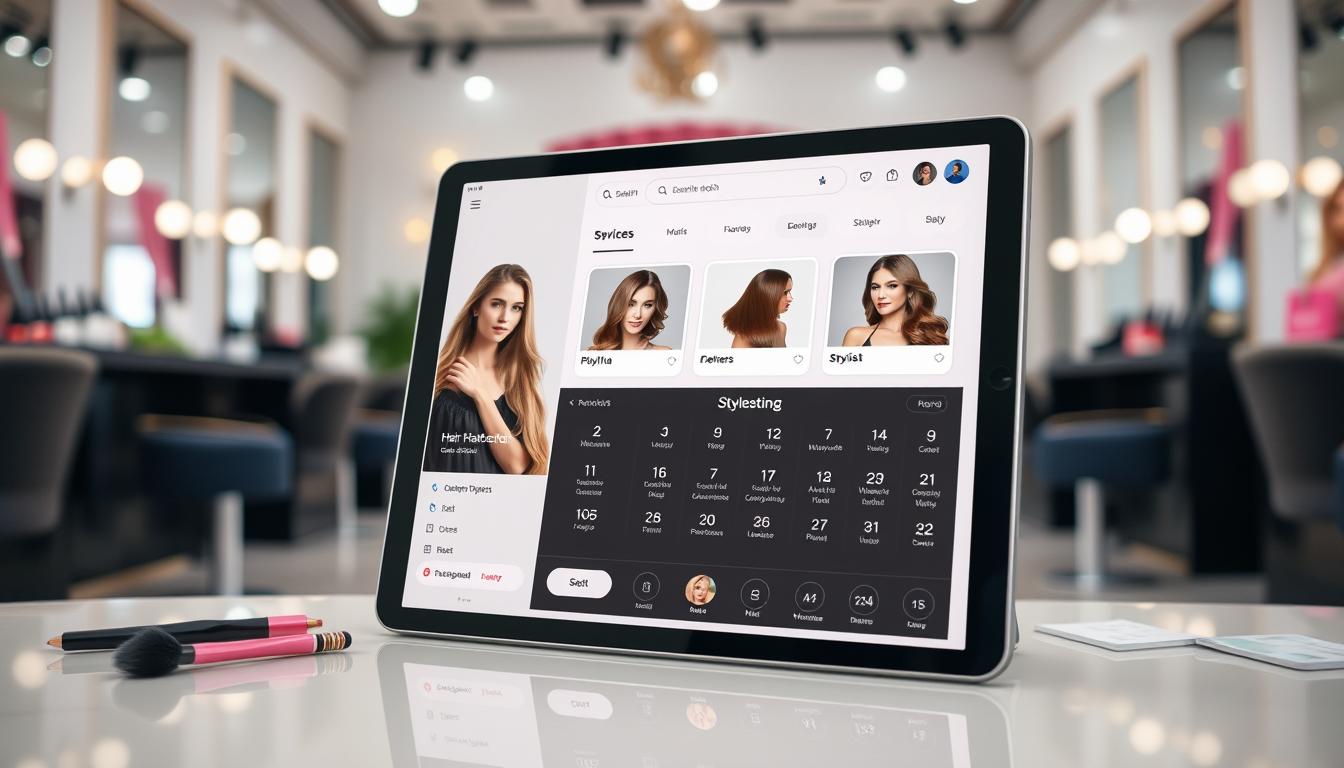
Appointment management is a crucial aspect of salon operations. The best salon management software should have a user-friendly interface that allows salon staff to schedule appointments easily. It should also have features such as online booking and automated reminders to help reduce no-shows and improve customer satisfaction. Additionally, the software should have the ability to manage multiple staff schedules, accommodating different services and time slots.
2. Client Management
Client management is another critical feature to consider when choosing salon management software. The software should have a database to store client information such as contact details, appointment history, and service preferences. This allows salon staff to provide personalized service and build a loyal customer base. The software should also have the capability to track loyalty points and send targeted promotions to clients.
3. Inventory Management
Inventory management is essential for any business, and salons are no exception. The best salon management software should have features that allow salon owners to track inventory levels, monitor product usage, and set automatic reorder points. This helps to prevent overstocking or running out of essential products. Some software also has the option to integrate with suppliers to automate the ordering process.
4. Point of Sale (POS) System
A reliable point of sale system is vital for salon management software. It should be able to process payments, issue receipts, and handle refunds. Furthermore, the software should have features to track sales, commissions, and taxes. Integration with accounting software can also be beneficial in managing salon finances.
5. Reporting and Analytics
The best salon management software should have robust reporting and analytics features. These tools provide valuable insights into the salon’s performance, including sales trends, inventory levels, and staff productivity. This information can help salon owners make informed decisions and identify areas for improvement.
6. Marketing and Customer Engagement
In today’s digital age, marketing and customer engagement are crucial for the success of any business. The best salon management software should have marketing tools such as email and SMS campaigns, social media integration, and customer feedback features. These features help to attract new customers, retain existing ones, and improve the overall customer experience.
7. Mobile Access
With the increasing use of smartphones, having a salon management software with mobile access is becoming a necessity. This allows salon owners and staff to manage their business on-the-go, such as checking appointment schedules, updating client information, and accessing reports. Some software also has a mobile app for clients to book appointments and make payments, providing convenience and enhancing the salon’s image.
8. User-Friendly Interface
The best salon management software should have a user-friendly interface that is easy to navigate and understand. This is crucial, especially for salon staff who may not be tech-savvy. The software should be intuitive and require minimal training to use, saving time and resources.
9. Scalability and Customization
As salons grow and expand, their needs also change. Therefore, it is essential to choose a salon management software that can accommodate growth and be customized to fit the specific needs of the business. This can include adding new services, staff members, and locations.
10. Customer Support
Last but not least, a reliable customer support system is essential when choosing salon management software. The software provider should offer timely and efficient support to address any technical issues or answer any questions that may arise. This ensures that the software runs smoothly and minimizes disruptions to salon operations.
Conclusion
In conclusion, salon management software is a valuable tool for salon owners and managers to effectively run their business. The key points to consider when choosing the best software include appointment and client management, inventory and point of sale systems, reporting and analytics, marketing and customer engagement, mobile access, user-friendly interface, scalability and customization, and customer support. By considering these factors, salon owners can find the right software that meets their business needs and helps them provide excellent service to their clients. Investing in the right salon management software can lead to increased efficiency, improved customer satisfaction, and ultimately, the success of the salon.