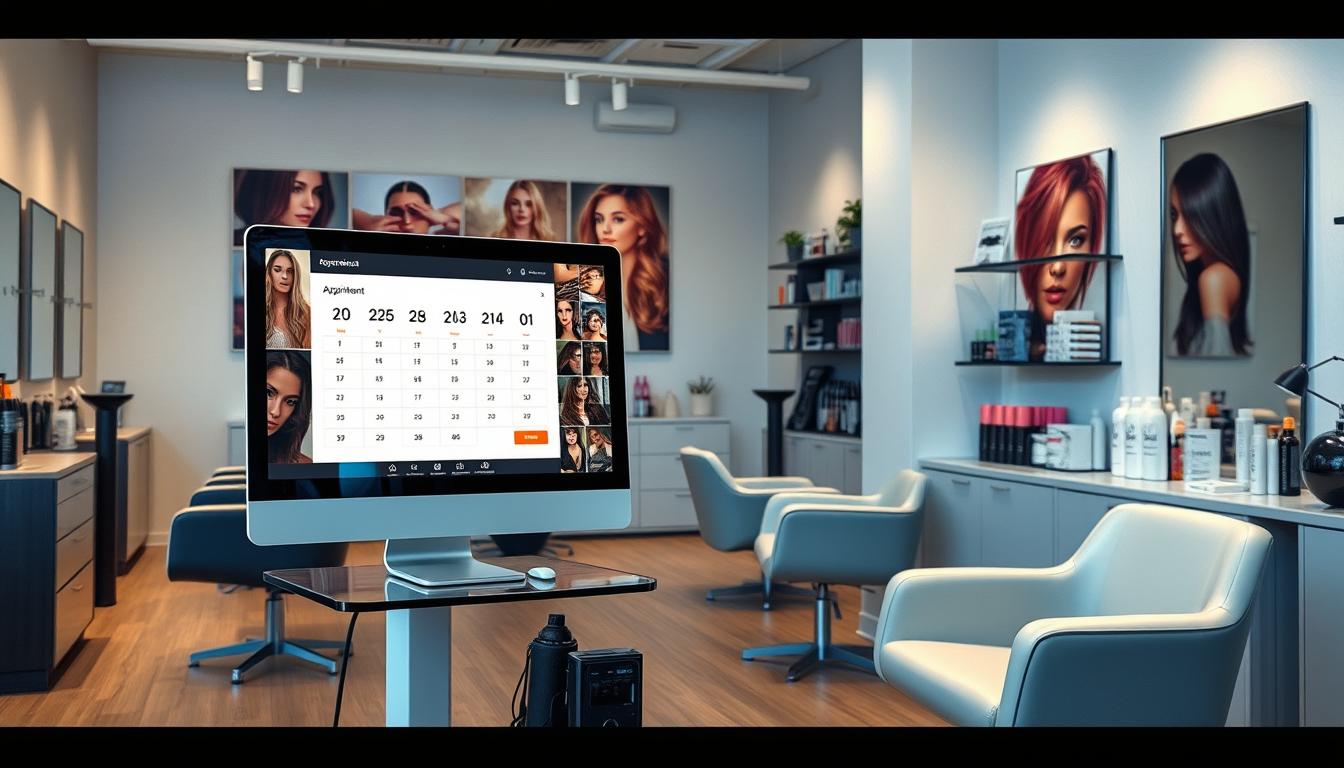
Beauty Salon Management Software: The Ultimate Guide for Modern Business Owners
In today’s fast-paced, digitally-driven world, running a successful beauty salon, spa, clinic, or wellness center requires more than just exceptional talent and a loyal clientele. It demands operational excellence, strategic marketing, and seamless customer experiences. This is where specialized beauty salon management software transforms from a luxury into an absolute necessity. For business owners in the beauty and wellness industry, the right software platform is the central nervous system of your operation, integrating every critical function into one powerful, intuitive system.
This comprehensive guide will delve deep into the world of salon management software. We’ll explore its core functionalities, the undeniable benefits it offers, key features to look for, and practical steps for selecting and implementing the perfect solution for your unique business. Whether you’re a solo aesthetician, a multi-location spa chain, or a medical clinic offering advanced treatments, understanding this technology is paramount to your growth and sustainability.
Why Your Business Can’t Afford to Operate Without Specialized Software
Gone are the days of bulky appointment books, overflowing client index cards, and manual inventory spreadsheets. These outdated methods are not only inefficient but also prone to human error, leading to missed appointments, double bookings, financial discrepancies, and ultimately, dissatisfied clients. Modern salon management software is designed specifically to address the unique challenges of the beauty and wellness industry.
It acts as a centralized hub, automating tedious administrative tasks and freeing up you and your staff to focus on what truly matters: delivering outstanding service and growing your business. The shift to digital management is no longer a trend; it’s a fundamental component of a competitive and professional business model.
The High Cost of Manual Management
Before we explore the solution, it’s crucial to understand the problems inherent in manual management:
- Inefficiency and Wasted Time: Staff spend countless hours on the phone scheduling appointments, manually tracking inventory, and calculating payroll.
- Error-Prone Processes: Human error in booking can lead to overbooking or forgotten appointments. Manual stock-taking often results in unexpected product shortages.
- Poor Client Experience: Clients expect 24/7 online booking, automated reminders, and personalized communication. Manual systems cannot deliver this.
- Limited Business Insight: Without integrated reporting, it’s nearly impossible to accurately identify your top-performing services, therapists, or marketing channels.
- Security Risks: Paper records and basic computer files are vulnerable to loss, damage, and lack of data security compliance.
Core Features of Top-Tier Beauty Salon Management Software
The best software solutions offer a suite of integrated tools that cover every aspect of your business. Here are the essential features to look for:
1. Appointment Scheduling and Calendar Management
This is the heart of any salon software. A robust system should offer:
- Online Booking: Allow clients to book appointments 24/7 directly from your website or social media.
- Staff Management: View individual or team calendars, assign specific therapists to clients, and manage breaks and time off.
- Intelligent Scheduling: Prevent double-booking and ensure adequate time is allocated for each service.
- Waitlist Management: Automatically fill cancelled appointments from a waitlist to maximize occupancy.
2. Client Relationship Management (CRM)
Your clients are your most valuable asset. A powerful CRM helps you nurture those relationships.
- Detailed Client Profiles: Store contact info, birthdates, service history, preferences, allergies, and notes.
- Automated Communications: Send SMS and email reminders for upcoming appointments, thank-you notes, and rebooking prompts.
- Loyalty Programs: Create and manage points-based or punch-card loyalty schemes to encourage repeat business.
- Targeted Marketing: Segment your client list to send personalized promotions (e.g., a discount on facials for clients who haven’t booked one in six months).
3. Point of Sale (POS) and Payment Processing
Streamline your checkout process and manage transactions securely.
- Integrated Payments: Accept cash, card, and mobile payments directly through the system.
- Inventory Linking: Automatically deduct sold retail products from your inventory count.
- Gift Card Management: Sell, track, and redeem digital and physical gift cards.
- Sales Reporting: Track daily, weekly, and monthly sales by service, product, or staff member.
4. Inventory Management
Never run out of your best-selling serum or shampoo again.
- Real-Time Tracking: Monitor stock levels for all retail products and back-bar items.
- Low-Stock Alerts: Receive automatic notifications when it’s time to reorder.
- Supplier Management: Keep track of supplier information and order histories.
- Cost and Profit Analysis: Understand the profitability of each retail product you sell.
5. Reporting and Analytics
Turn your business data into actionable intelligence.
- Financial Reports: Generate profit & loss statements, track revenue, and monitor expenses.
- Performance Metrics: Analyze staff performance, service popularity, and client retention rates.
- Customizable Dashboards: View key performance indicators (KPIs) at a glance.
6. Marketing Automation Tools
Grow your client base without increasing your marketing workload.
- Email and SMS Campaigns: Design and send beautiful, targeted marketing campaigns.
- Review Generation: Automatically request reviews from clients after their visit to boost your online reputation.
- Social Media Integration: Schedule posts and manage your social presence.
Tangible Benefits: How Software Drives Profit and Growth
Investing in a comprehensive management system delivers a significant return on investment across multiple areas of your business.
Skyrocketing Operational Efficiency
Automation is the key to efficiency. By automating appointment reminders, you drastically reduce no-shows. Automated inventory alerts prevent costly last-minute orders. Streamlined payroll and commission calculations save hours of administrative work each week. This efficiency translates directly into lower overheads and higher profitability.
Elevating the Client Experience
A seamless, modern experience is what clients remember. From the ease of online booking to personalized service recommendations based on their history, software allows you to provide a white-glove experience that fosters fierce loyalty and turns clients into brand advocates.
Data-Driven Decision Making
Stop guessing what works. With detailed reports, you can make informed decisions about everything from which services to promote and which retail products to stock, to setting staff schedules based on demand patterns. This moves your business strategy from reactive to proactive.
Enhanced Financial Control
Gain a crystal-clear view of your financial health. Track cash flow in real-time, monitor outstanding invoices, and understand your most profitable revenue streams. This control is invaluable for planning future investments and ensuring long-term stability.
Choosing the Right Software for Your Business
With numerous options on the market, selecting the right platform requires careful consideration. Follow this step-by-step process to find your perfect match.
Step 1: Assess Your Needs and Budget
Begin by auditing your current processes. What are your biggest pain points? How many staff members need access? What is your monthly or annual budget? Be realistic about the features you need now versus those that would be “nice to have” in the future.
Step 2: Research and Shortlist Vendors
Look for software with a proven track record in the beauty industry. Read reviews on sites like Capterra and G2. Ask for recommendations in industry forums or from fellow business owners. Create a shortlist of 3-5 vendors that seem to align with your needs.
Step 3: Demand a Live Demo
Never buy based on a sales pitch alone. Schedule a live demo with each shortlisted vendor. Prepare a list of specific scenarios relevant to your business (e.g., “Show me how a client would rebook online” or “How does the system handle a product return?”). Involve your front-desk staff in the demo—they will be using it daily.
Step 4: Scrutinize the Fine Print
Understand the total cost of ownership. Ask about:
- Setup fees
- Monthly subscription costs (per user? per location?)
- Payment processing fees
- Costs for customer support
- Contract length and cancellation policy
Also, inquire about data security, backup protocols, and what happens to your data if you decide to cancel the service.
Step 5: Check References and Support
A good vendor will happily provide references from businesses similar to yours. Contact them and ask about their experience, especially regarding customer support. Is support responsive and helpful? Is it available 24/7? Reliable support is critical, especially during the initial setup and when problems arise.
Implementation: Setting Your Team Up for Success
A successful software launch depends on careful planning and change management.
- Data Migration: Work with the vendor to cleanly import your existing client lists, service menus, and inventory.
- Comprehensive Training: Ensure every team member, from owners to therapists to receptionists, receives thorough training. Many vendors offer this.
- Phased Roll-Out: Consider starting with a core group of users before a full launch to iron out any kinks.
- Gather Feedback: Create an open channel for staff to ask questions and provide feedback during the transition.
Conclusion: Embrace the Digital Transformation
The beauty and wellness industry is more competitive than ever. To not just survive but thrive, business owners must leverage every tool available. Beauty salon management software is that essential tool. It empowers you to streamline operations, dazzle your clients, harness the power of your data, and ultimately, build a more profitable and resilient business.
View this investment not as an expense, but as a strategic partner dedicated to your success. By choosing the right platform and implementing it effectively, you are laying the digital foundation for growth, innovation, and an unparalleled reputation for excellence. The future of your business is digital—embrace it.