Introduction:
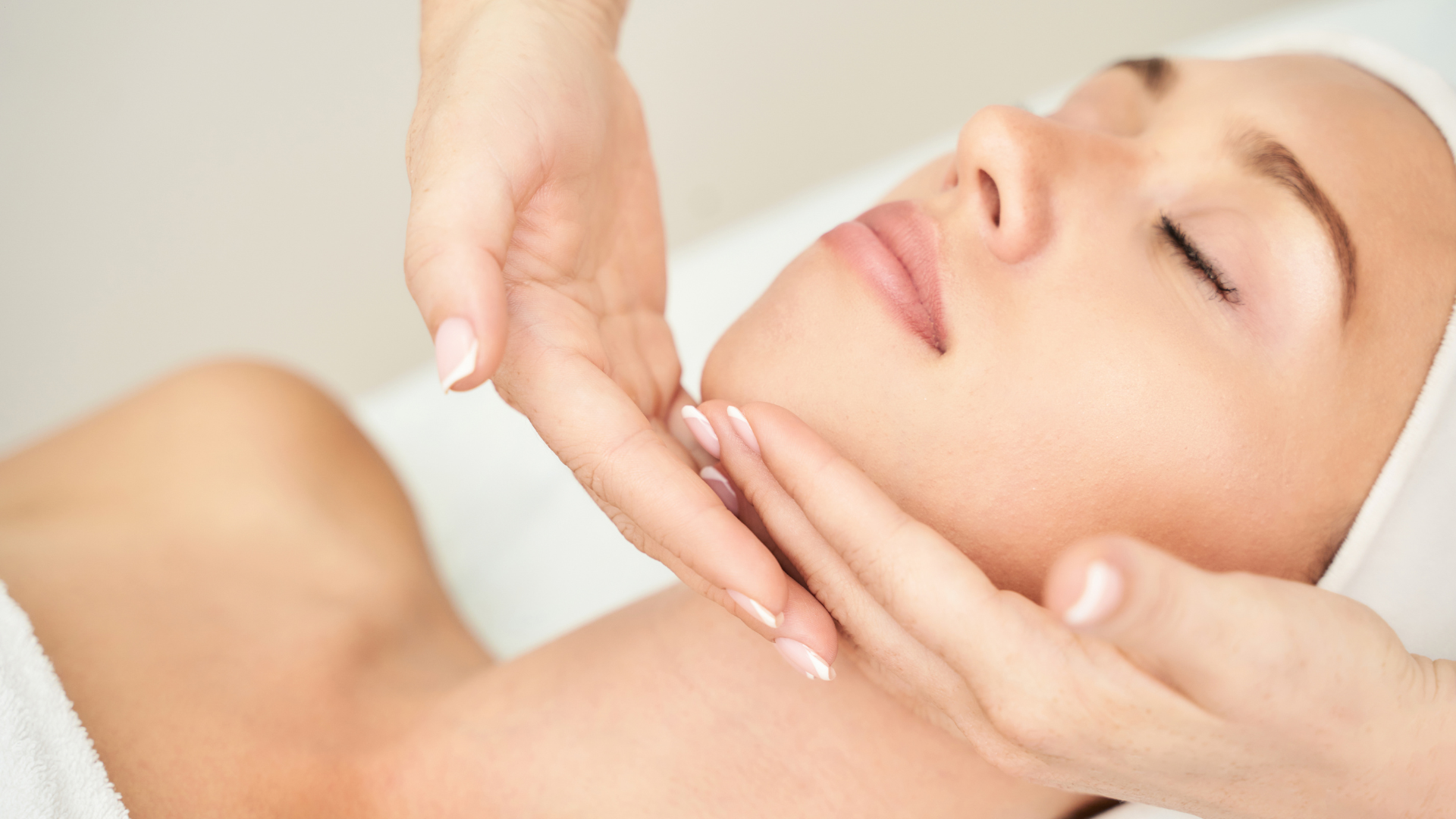
The tranquil ambiance of a spa, the soothing music, and the expert hands of a massage therapist – these elements come together to create a truly rejuvenating experience. In the world of wellness and self-care, massage therapy holds a special place, offering not just physical relaxation but also mental and emotional well-being. A significant aspect of the massage experience is the practice of tipping, a gesture of appreciation for the skilled hands and personalized care provided by the therapist.
Key Points:
1. **Understanding the Custom of Tipping in the Massage Industry:** Tipping in the massage industry is a customary practice that typically ranges from 15% to 20% of the service cost. It is a way for clients to show gratitude for the therapist’s professionalism, skill, and dedication to enhancing the client’s well-being. Tipping is not mandatory but is greatly appreciated as it recognizes the effort and care put into each session. Tipping also extends beyond monetary compensation; clients may express their appreciation through kind words, referrals, or by providing feedback that helps the therapist improve their services. Remember, tipping is a personal choice, and the amount given should reflect the quality of the service received and the client’s satisfaction.
2. **Factors Influencing Tipping Etiquette in the Massage Industry:** Several factors can influence the tipping etiquette in the massage industry. The location, type of establishment, and duration of the session can all play a role in determining the appropriate tip amount. In upscale spas or resorts, a higher tip percentage may be expected compared to a local wellness center. Additionally, if the therapist goes above and beyond to address specific issues or provide extra relaxation techniques, clients may choose to tip more generously. It is essential for clients to consider the overall experience, including the therapist’s professionalism, attentiveness, and the results achieved during the session, when deciding on an appropriate tip. Communication, comfort level, and a therapist’s ability to tailor the massage to the client’s needs can also impact the gratuity amount.
3. **The Impact of Tipping on Therapists’ Well-Being:** For massage therapists, receiving tips is not just about the monetary reward but also about the emotional validation of their work. Tipping can boost a therapist’s morale, leading to increased job satisfaction and motivation to deliver exceptional service. Knowing that their efforts are recognized and valued by clients can create a positive feedback loop, encouraging therapists to continually improve their skills and enhance the overall client experience. Moreover, tips can serve as a form of peer-to-peer recognition within the industry, with therapists acknowledging and appreciating each other’s dedication and talent. This sense of camaraderie and mutual support can foster a supportive community among massage professionals, ultimately benefiting both therapists and clients alike.
4. **Navigating Tipping Guidelines and Cultural Norms:** While tipping customs in the massage industry are well-established in many regions, it is essential to be aware of cultural norms and practices when receiving or giving tips. In some countries, tipping may not be customary, or the expected gratuity amount may differ from what is standard elsewhere. Understanding the local norms and respecting the customs of the region is vital to ensuring smooth interactions and showing appreciation in a culturally sensitive manner. Clients traveling internationally or visiting spas with diverse staff members should consider researching tipping guidelines in advance or asking the establishment for guidance on the appropriate tipping practices. By being mindful of cultural nuances and practices, clients can demonstrate respect for the traditions of the local communities and honor the efforts of massage therapists worldwide.
Conclusion:
In conclusion, tipping in the massage industry is a meaningful gesture that goes beyond mere monetary compensation. It symbolizes gratitude, respect, and appreciation for the dedicated work of massage therapists in promoting relaxation, wellness, and self-care. By understanding the custom of tipping, considering various factors that influence gratuity amounts, recognizing the impact of tipping on therapists’ well-being, and navigating cultural norms with sensitivity, clients can enhance their massage experience and foster a culture of mutual respect and appreciation within the wellness community. Remember, a generous tip not only rewards exceptional service but also acknowledges the value of self-care and holistic well-being in our lives.