Introduction:
When it comes to managing one’s hair and grooming needs, the distinction between a barber and a hairdresser can sometimes be unclear. While both professionals work with hair, these two roles have unique distinctions that cater to different preferences and styles. Understanding the nuances between a barber and a hairdresser can help individuals make informed decisions about where to go for their hair care needs, ensuring they receive the specific services and expertise required to achieve their desired look and style.
Key Points:
1. **Barber Services:**
Barbers traditionally specialize in men’s grooming services, with a focus on classic and traditional haircuts, beard trims, and straight razor shaves. The atmosphere in a barber shop is often tailored to cater to male clients, providing a masculine environment that emphasizes camaraderie and conversation. Barbers are skilled in using clippers and scissors to achieve precise haircuts that suit their clients’ preferences and facial features.
In addition to hair grooming, barbers may also offer services such as facial hair maintenance, hair styling, and scalp treatments. Clients who prefer a more traditional approach to grooming and enjoy the experience of a classic barber shop ambiance often choose to visit barbers for their consistent and specialized services.
2. **Hairdresser Services:**
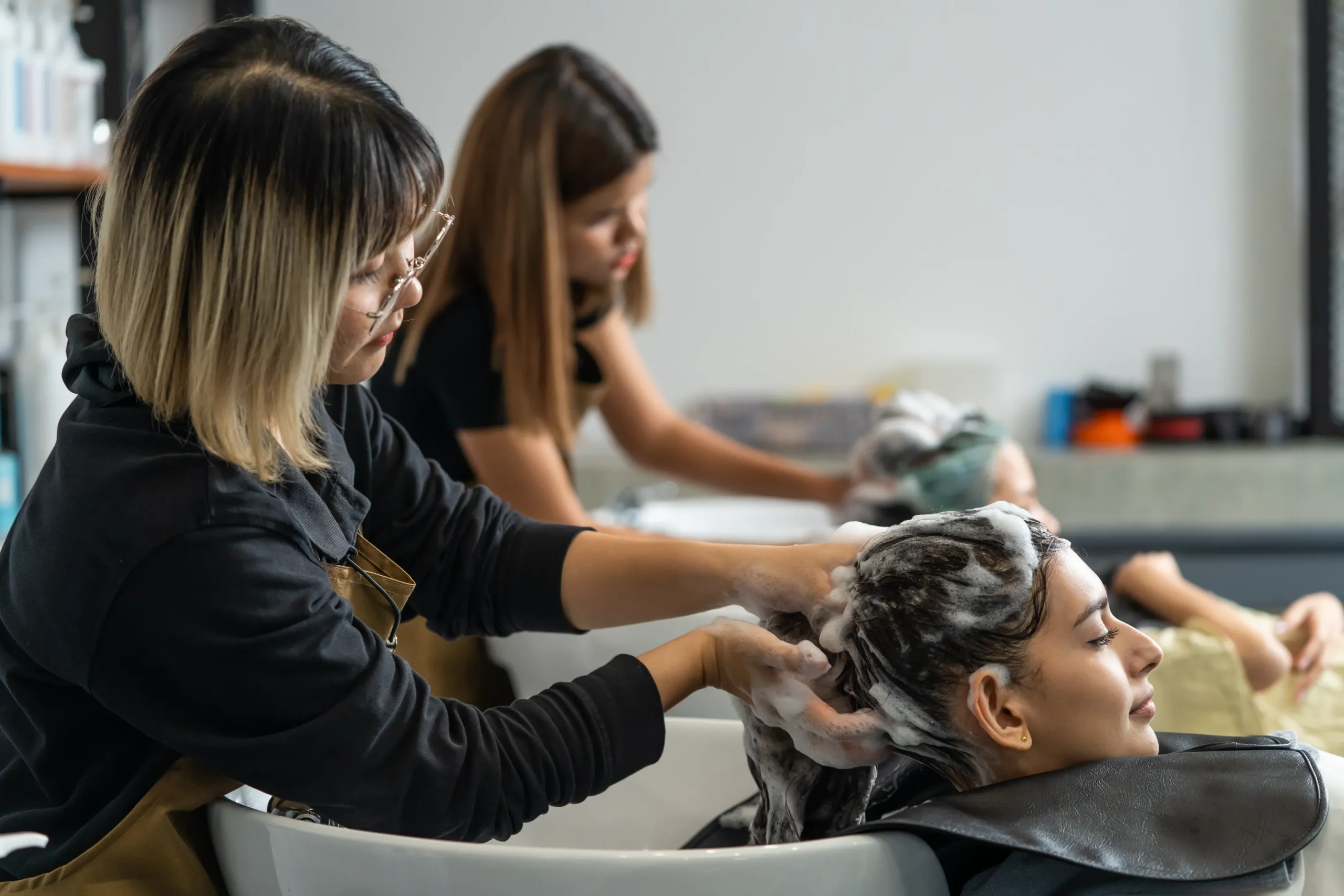
Hairdressers, on the other hand, typically provide a wider range of services that cater to both men and women. While hairdressers can also cut and style hair, their expertise extends to various hair treatments, coloring, perming, and styling for different occasions. Hairdressers are trained to work with all hair types and textures, offering personalized recommendations based on individual preferences and trends.
Hairdressers often work in salons that provide a diverse range of services beyond basic haircuts, such as manicures, pedicures, facials, and makeup application. The ambiance in a salon is often more gender-neutral and focused on providing a relaxing and pampering experience for clients seeking a comprehensive approach to beauty and wellness.
3. **Training and Licensing:**
One of the key differences between barbers and hairdressers lies in their training and licensing requirements. Barbers typically undergo specialized training in barbering techniques and may be required to obtain a barbering license to practice professionally. This training focuses on mastering classic cutting and shaving techniques, along with sanitation and safety practices specific to barber shops.
Hairdressers, on the other hand, typically complete a broader cosmetology program that covers a range of beauty services beyond hair styling. This training includes hair cutting, coloring, chemical treatments, skincare, and nail care. Hairdressers may need to obtain a cosmetology license to provide their services legally and maintain high standards of professionalism.
4. **Client Relationships and Consultations:**
The relationship between clients and their hair professionals can vary based on whether they choose a barber or a hairdresser. Barbers often establish long-term relationships with their clients, providing consistent and reliable services tailored to men’s grooming needs. The atmosphere in a barber shop encourages open communication and camaraderie, allowing clients to feel comfortable and welcome during their visits.
Hairdressers, on the other hand, often focus on providing personalized consultations and creative solutions to help clients achieve their desired looks and styles. Clients who visit hair salons for a range of services may develop a close relationship with their hairdressers, relying on their expertise and creativity to transform their hair and enhance their overall appearance.
5. **Specialization and Trend Influence:**
Barbers and hairdressers may also differ in terms of their specialization and trend influence within the beauty industry. Barbers often stay true to classic and timeless haircutting techniques, drawing inspiration from vintage styles and traditional grooming practices. Barbershops may set trends in men’s grooming by incorporating modern twists on classic looks, attracting clients who appreciate heritage and authenticity.
Hairdressers, on the other hand, are often at the forefront of hair trends and fashion-forward styles, experimenting with innovative cutting techniques, coloring methods, and styling trends. Salons led by creative hairdressers may influence popular hair trends and runway looks, attracting clients who seek the latest and most cutting-edge hair services to express their individuality and fashion sense.
Conclusion:
In conclusion, the distinction between a barber and a hairdresser lies in their specialized services, training requirements, client relationships, and trend influence in the beauty industry. Whether one chooses a barber for classic men’s grooming services or a hairdresser for a broader range of hair and beauty treatments, both professionals play essential roles in helping individuals achieve their desired looks and styles. Understanding the unique qualities of barbers and hairdressers can guide individuals in selecting the right hair professional to meet their specific grooming needs and preferences.