






Introduction:
The world of beauty and personal care services is a dynamic and thriving industry, with numerous opportunities for individuals looking to embark on a career in this field. One position that often sparks curiosity and interest is that of a salon assistant. Aspiring salon assistants may wonder about the requirements and whether a license is necessary to pursue this role. Let’s explore the nuances of being a salon assistant and the licensing considerations associated with this profession.
Key Points:
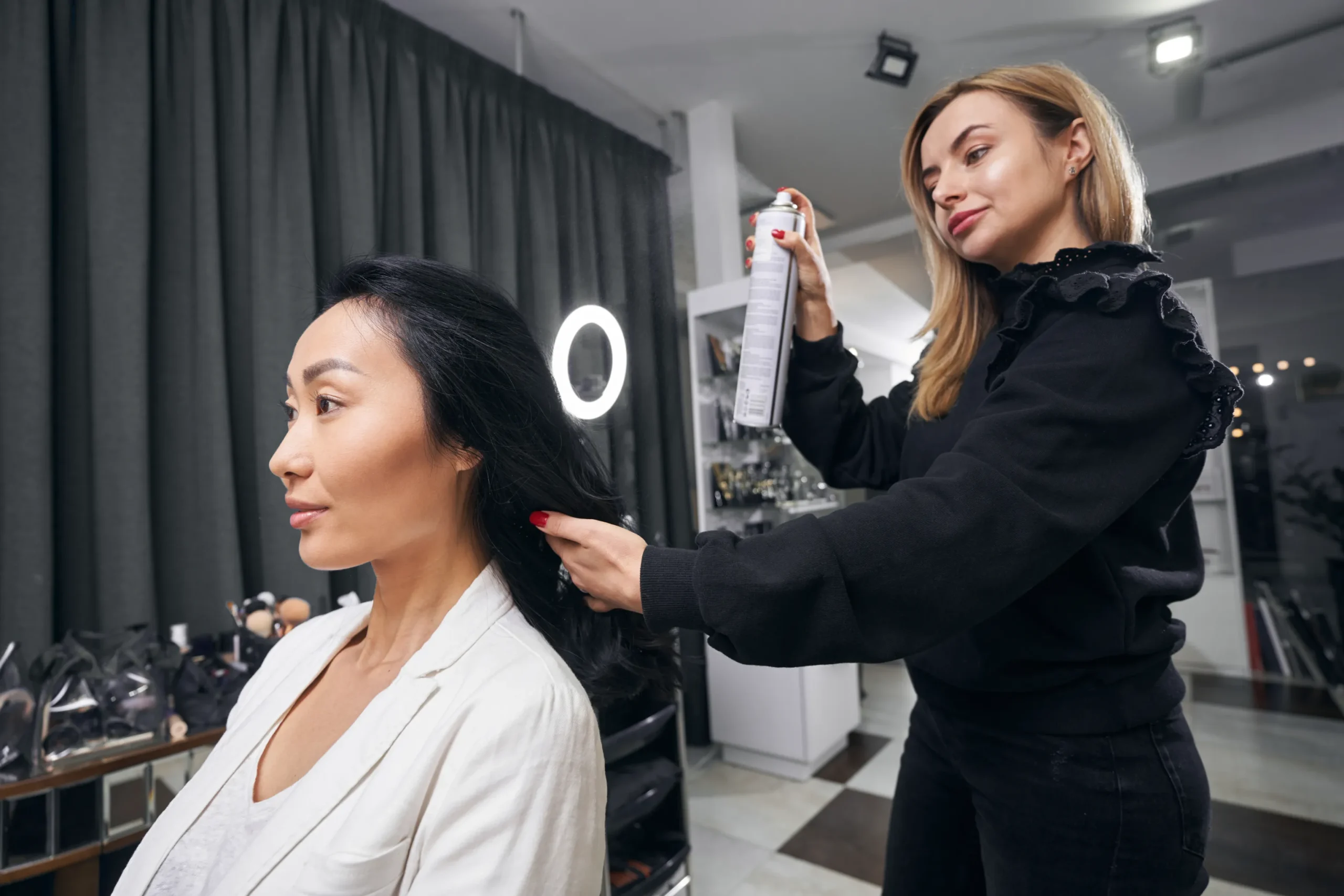
1. **Role of a Salon Assistant:** A salon assistant plays a crucial role in supporting the daily operations of a salon. Their responsibilities may include greeting clients, assisting stylists and technicians, maintaining cleanliness and organization in the salon, washing and preparing hair for treatments, and ensuring that clients have a pleasant and satisfying experience during their visit. Salon assistants are integral members of the salon team, contributing to the overall efficiency and success of the business.
While specific duties may vary depending on the salon’s size and specialization, salon assistants typically work under the supervision of licensed cosmetologists or estheticians. They provide vital support to these professionals and gain valuable hands-on experience in the beauty industry.
2. **Licensing Requirements for Salon Assistants:** The question of whether a license is required to work as a salon assistant often depends on the state or country where the salon is located. In many regions, salon assistants do not need a formal license to perform their duties. Instead, they receive on-the-job training and mentorship from experienced cosmetologists or estheticians. This training provides them with the necessary skills and knowledge to excel in their role.
It’s essential for salon assistants to familiarize themselves with local regulations and licensing requirements to ensure compliance with any applicable laws or regulations. Some states may have specific rules regarding the types of tasks salon assistants can handle and the level of supervision they require while performing certain duties.
3. **Career Advancement Opportunities:** While being a salon assistant does not always require a formal license, individuals who aspire to advance their careers in the beauty industry may choose to pursue professional credentials, such as a cosmetology or esthetician license. Acquiring these licenses allows individuals to perform a broader range of services independently and opens up opportunities for career growth and specialization.
Licensed professionals often have the flexibility to work in various settings, from traditional salons and spas to freelance or mobile beauty services. They can offer a wider array of treatments and services to clients, establishing themselves as skilled and reputable beauty professionals in their communities.
Conclusion:
In conclusion, the role of a salon assistant can serve as an entry point for individuals who are passionate about the beauty industry and eager to gain practical experience in a salon setting. While formal licensing requirements may not be mandatory for salon assistants in many regions, obtaining relevant training and enhancing one’s skills can pave the way for future career opportunities and professional growth. Whether aspiring salon assistants choose to pursue formal licensure or focus on honing their expertise through on-the-job training, dedication to excellence and a commitment to ongoing learning are key to thriving in this dynamic and rewarding field.