Introduction
Esthetician, esthetics, and skincare are terms that are often used interchangeably in the beauty industry. However, what does it really mean to be an esthetician? In this article, we will delve into the world of esthetics, exploring its history, key components, and why it’s become a vital part of our daily lives. Esthetics is the art and science of skincare, focusing on the non-surgical treatment of skin conditions, improving skin texture, and enhancing overall appearance. The term “esthetician” refers to an individual trained in the field of esthetics, who has the skills and knowledge to provide a range of treatments that promote healthy and beautiful skin. With the rise of social media platforms like Instagram and Facebook, the demand for skincare services has skyrocketed. People are now more aware than ever of the importance of maintaining good skin health, and as a result, the industry has seen an explosion in growth. Estheticians have become essential members of the beauty team, providing personalized treatments that cater to individual skin concerns. One of the most significant factors contributing to the growth of esthetics is the increasing awareness of skincare routines and self-care practices. More people are now taking control of their own skin health, experimenting with different products and techniques to achieve glowing, healthy-looking skin. Skincare has become a billion-dollar industry, with many consumers opting for professional treatments over at-home remedies. This shift has created a demand for skilled estheticians who can provide expert advice and guidance on maintaining healthy skin. In this article, we will explore the key components of esthetics, including its history, techniques, and benefits. We’ll also examine the role of estheticians in the beauty industry, highlighting their skills and qualifications.
Key Points
1. History of Esthetics:
Esthetics has a rich and varied history that spans thousands of years. The earliest recorded evidence of skincare practices dates back to ancient civilizations in Egypt, Greece, and Rome. These cultures recognized the importance of maintaining good skin health, using various remedies such as face masks, scrubs, and oils to promote healthy-looking skin. In the 19th century, esthetics became a more formalized profession, with the establishment of beauty schools and training programs for estheticians. The development of new technologies and treatments in the 20th century further expanded the scope of esthetics, paving the way for modern skincare practices. Today, estetics continues to evolve, incorporating cutting-edge techniques and advancements in technology to create innovative treatments that promote healthy and beautiful skin.
2. Techniques Used by Estheticians:
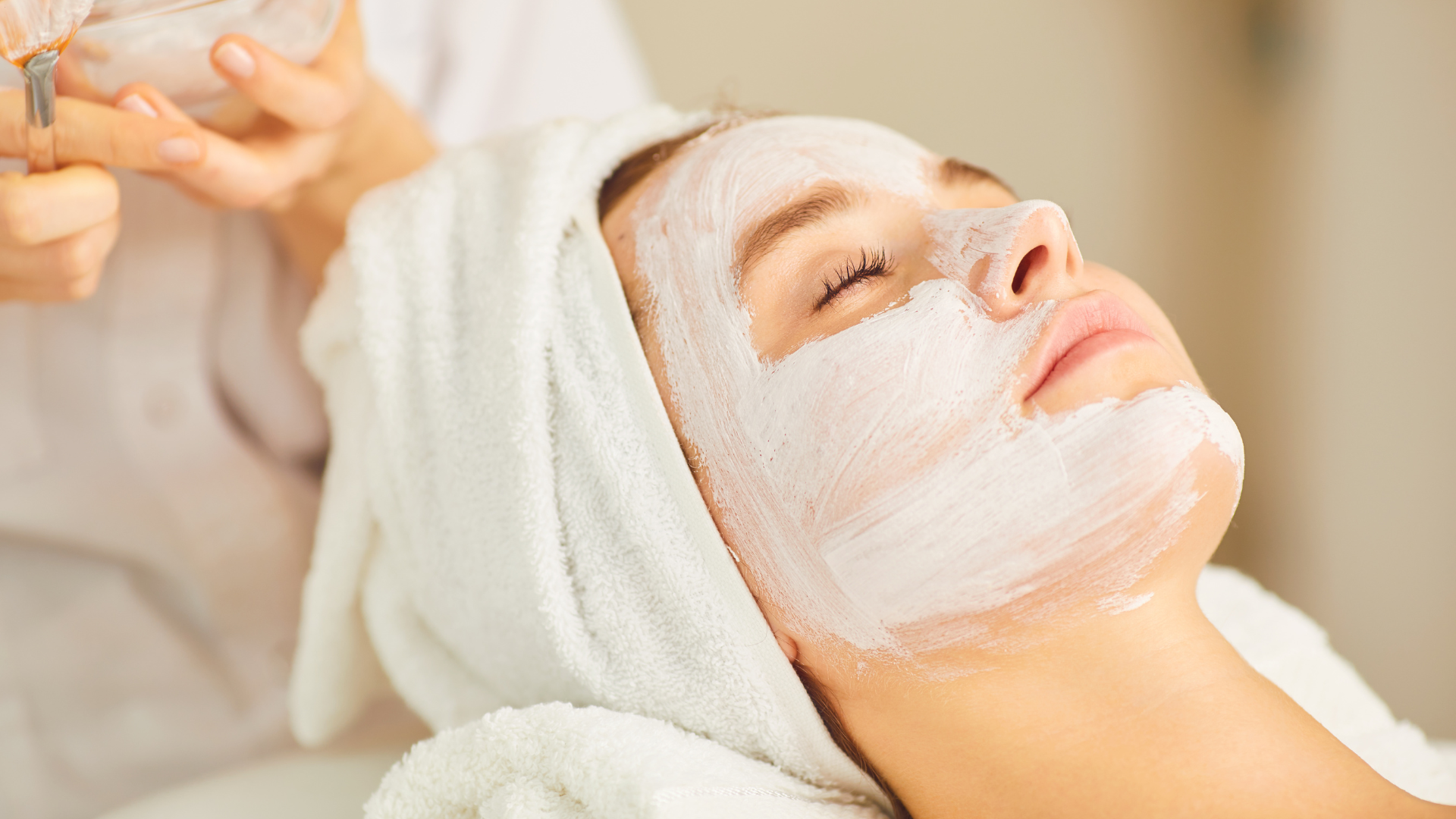
Estheticians use a range of techniques to treat various skin concerns. These may include facials, chemical peels, microdermabrasion, waxing, and makeup application. Each treatment is carefully tailored to address individual skin needs, whether it’s acne, aging, or hyperpigmentation. Facials are one of the most popular treatments offered by estheticians. During a facial, the esthetician cleanses and exfoliates the skin, followed by a series of massages, steaming, and moisturizing treatments. This comprehensive treatment helps to nourish and rejuvenate the skin, leaving it looking smoother, brighter, and more radiant. Chemical peels are another effective treatment used by estheticians. These involve applying a solution to the skin that helps to remove dead skin cells, revealing smoother, more even-toned skin. Microdermabrasion is a gentle exfoliating treatment that uses fine crystals to remove dead skin cells and improve skin texture. Waxing and makeup application are also essential services offered by estheticians. Waxing removes unwanted hair from the body, while makeup application enhances one’s natural features, providing a flawless base for any occasion.
3. Benefits of Esthetics:
The benefits of estetics extend far beyond just aesthetics. By promoting healthy skin, esthetics can also have a significant impact on overall well-being and self-esteem. A healthy glow is not just a physical concern; it’s also a mental one. When we feel good about our appearance, we’re more confident, empowered, and able to take on the world. Esthetics helps us achieve this confidence by providing personalized treatments that cater to individual skin needs. Moreover, estetics has been shown to have numerous benefits for overall health and wellness. Studies have demonstrated that regular skincare practices can reduce stress levels, improve sleep quality, and even boost our immune system. Furthermore, esthetics provides an opportunity for social connection and community-building. Estheticians often work in beauty salons or spas, creating a welcoming environment where clients feel comfortable sharing their skin concerns and enjoying a relaxing treatment.
4. Role of Estheticians:
Estheticians play a vital role in the beauty industry, providing expert advice and guidance on maintaining healthy skin. They are trained to listen to client needs, assess individual skin types, and recommend personalized treatments that address specific concerns. As estheticians continue to evolve with new technologies and techniques, their skills and qualifications become increasingly important. Many states require estheticians to complete rigorous training programs before qualifying as a licensed professional. In addition to providing treatments, estheticians also offer valuable advice on skincare routines and self-care practices. They educate clients on how to maintain healthy skin at home, using products and techniques that promote glowing, radiant complexions.
5. Future of Esthetics:
As the beauty industry continues to grow and evolve, estetics is poised for continued innovation. New technologies like LED light therapy and laser treatments are being incorporated into skincare practices, offering even more effective solutions for treating various skin concerns. The rise of at-home skincare products and DIY routines has also created a new demand for estheticians who can provide personalized guidance on maintaining healthy skin. With the increasing awareness of skincare routines and self-care practices, esthetics is expected to become an increasingly popular field in the coming years. In conclusion, estetics is more than just a profession – it’s an art form that requires skill, knowledge, and compassion. Estheticians play a vital role in promoting healthy skin, self-esteem, and overall well-being. As we continue to explore new technologies and techniques, one thing remains clear: the world of esthetics will remain at the forefront of beauty and skincare for years to come.
Conclusion
As we look back on the world of esthetics, it’s clear that this profession has a profound impact on our lives. Whether it’s through the provision of personalized treatments or the simple act of offering guidance and advice, estheticians play a vital role in promoting healthy skin and self-esteem. In an industry where trends come and go, esthetics remains timeless – a true art form that continues to evolve with new technologies and techniques. As we look to the future, one thing is clear: the world of esthetics will remain at the forefront of beauty and skincare for years to come.