






Introduction:
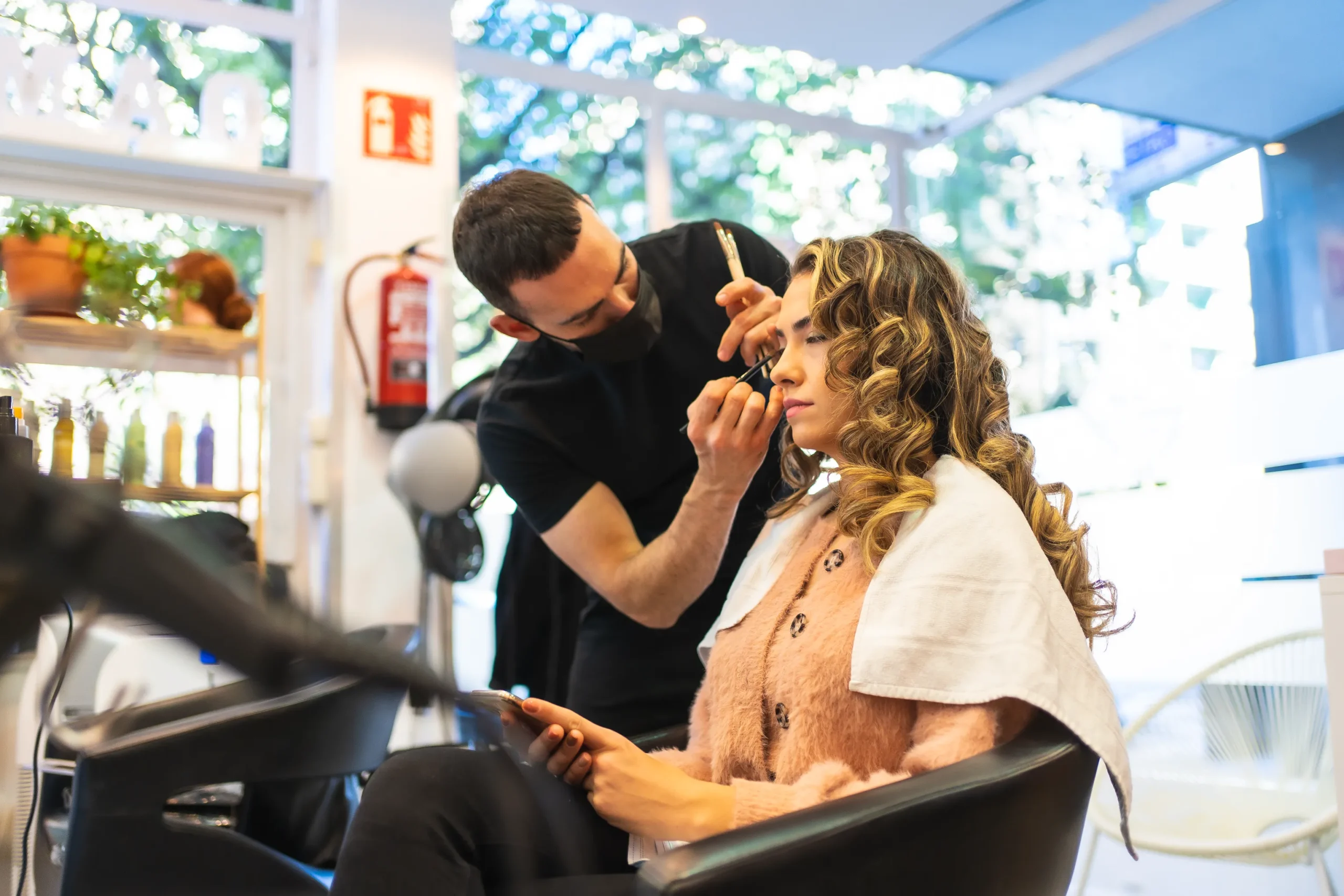
The world of skincare and beauty treatments has seen a significant transformation in recent years, with a growing emphasis on estheticiam. Estheticiam goes beyond traditional beauty routines and delves into the realm of skin health, wellness, and holistic self-care practices. As individuals become increasingly conscious of the importance of skincare, estheticians play a vital role in helping clients achieve radiant, healthy skin through personalized treatments and expert advice.
Key Points:
1. Importance of Skin Analysis: One of the foundational aspects of estheticiam is conducting thorough skin analysis for each client. Through a detailed assessment, estheticians can identify specific skin concerns, such as dehydration, sensitivity, acne, or signs of aging. This analysis serves as the basis for developing a customized treatment plan that addresses the client’s unique needs and goals. By understanding the client’s skin condition, estheticians can recommend appropriate products and techniques to promote skin health and vitality.
In addition to visual inspection, advanced tools and technologies, such as skin scanners and magnifying lamps, aid estheticians in assessing skin texture, pore size, hydration levels, and pigmentation issues. This comprehensive approach ensures that clients receive tailored recommendations that yield tangible results and enhance their overall skin quality.
2. Holistic Skincare Approach: Estheticiam embraces a holistic approach to skincare that considers the interconnectedness of the mind, body, and skin. Beyond external treatments, estheticians emphasize the importance of lifestyle factors, such as diet, stress management, sleep patterns, and environmental influences, in maintaining skin health. By promoting a holistic skincare regimen, estheticians empower clients to make informed choices that benefit their skin in the long term.
Incorporating techniques like facial massage, lymphatic drainage, and aromatherapy, estheticians go beyond surface-level treatments to rejuvenate skin from within. These holistic practices not only promote relaxation and stress relief but also stimulate blood circulation, boost collagen production, and enhance the skin’s natural radiance, contributing to a comprehensive skincare experience.
3. Customized Treatment Plans: Personalization is key in estheticiam, as each individual has unique skin concerns and goals. Estheticians craft customized treatment plans tailored to address specific issues such as acne, hyperpigmentation, fine lines, or uneven skin tone. By combining a variety of techniques, including facial peels, microdermabrasion, LED therapy, and high-frequency treatments, estheticians can address multiple skin concerns efficiently and effectively.
Moreover, the use of professional-grade skincare products containing potent active ingredients allows estheticians to deliver targeted solutions that yield visible improvements in skin texture, clarity, and overall appearance. By adjusting treatment protocols based on the client’s skin response and progress, estheticians ensure that each individual receives personalized care that meets their evolving skincare needs.
4. Education and Empowerment: Beyond providing treatments, estheticians serve as educators and skincare advocates for their clients. Through informative consultations, estheticians impart knowledge about skincare ingredients, proper product usage, sun protection, and overall skin maintenance practices. By empowering clients with the necessary information and tools, estheticians enable them to make informed decisions about their skincare routines and product choices.
Additionally, estheticians often recommend lifestyle modifications and skincare rituals that support long-term skin health and address underlying issues. By fostering a collaborative relationship with clients, estheticians create a supportive environment where individuals feel empowered to take charge of their skin journey and cultivate a lasting commitment to self-care and wellbeing.
5. Ethical and Sustainable Practices: In the realm of estheticiam, ethical considerations and sustainability practices are gaining prominence. Estheticians are increasingly mindful of using environmentally conscious products, supporting cruelty-free brands, and adopting eco-friendly skincare protocols. By prioritizing ethical sourcing, minimal packaging, and recyclable materials, estheticians align their practices with values of sustainability and environmental responsibility.
Furthermore, the emphasis on clean beauty initiatives involves avoiding harmful ingredients, chemicals, and toxins that may have adverse effects on both skin health and the environment. Through conscious choices in product selection and treatment methods, estheticians demonstrate their commitment to promoting ethical standards and contributing to a more sustainable approach to skincare and beauty practices.
Conclusion:
In conclusion, estheticiam represents a holistic and personalized approach to skincare that transcends conventional beauty treatments. By focusing on skin analysis, holistic skincare practices, customized treatment plans, client education, and ethical sustainability, estheticians elevate the skincare experience to encompass total wellness and self-care. Embracing the principles of estheticiam not only enhances skin health but also nurtures a deeper connection between individuals and their skin, fostering a sense of empowerment, confidence, and self-appreciation in the journey towards radiant, healthy skin.
