Introduction:
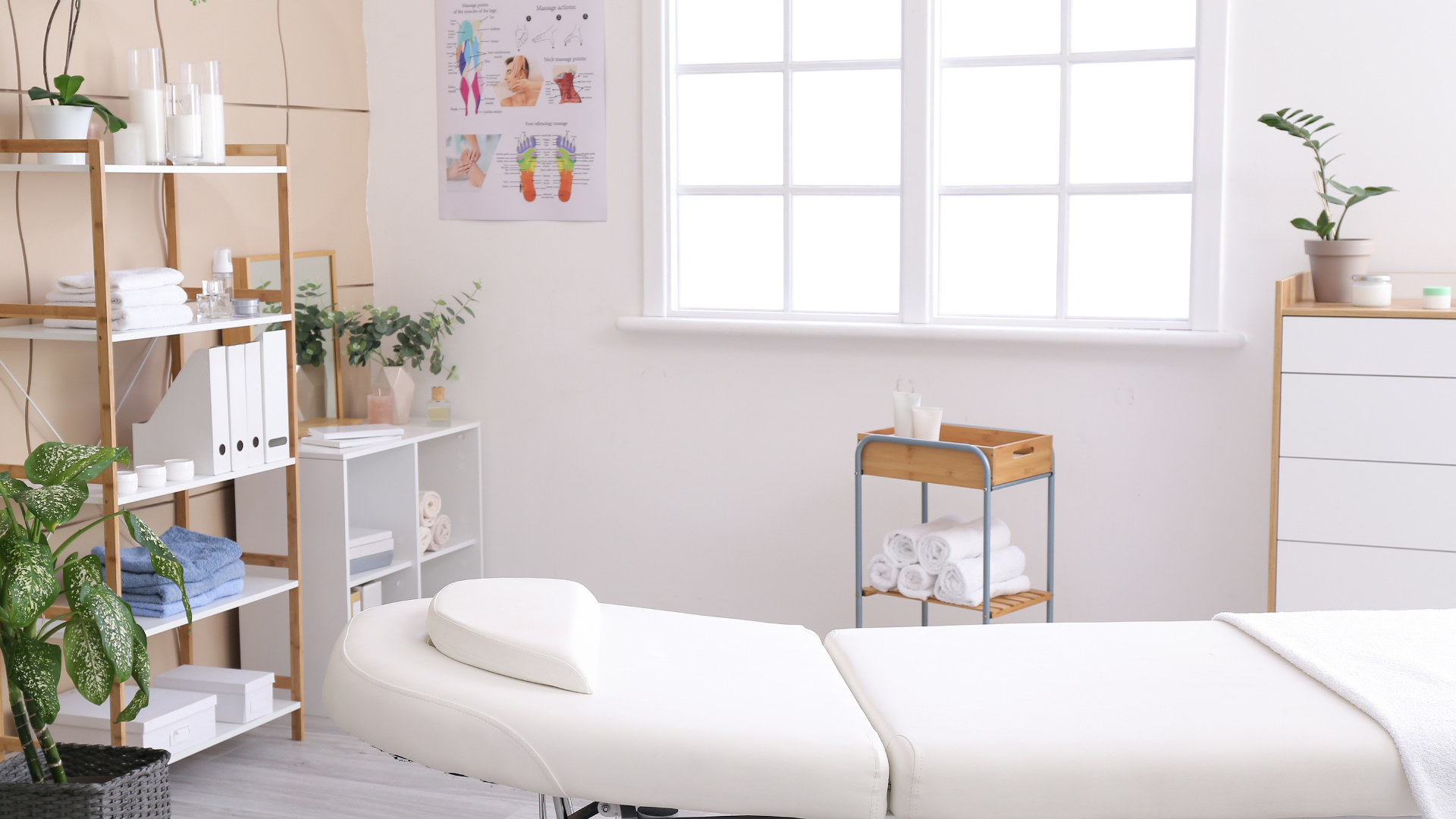
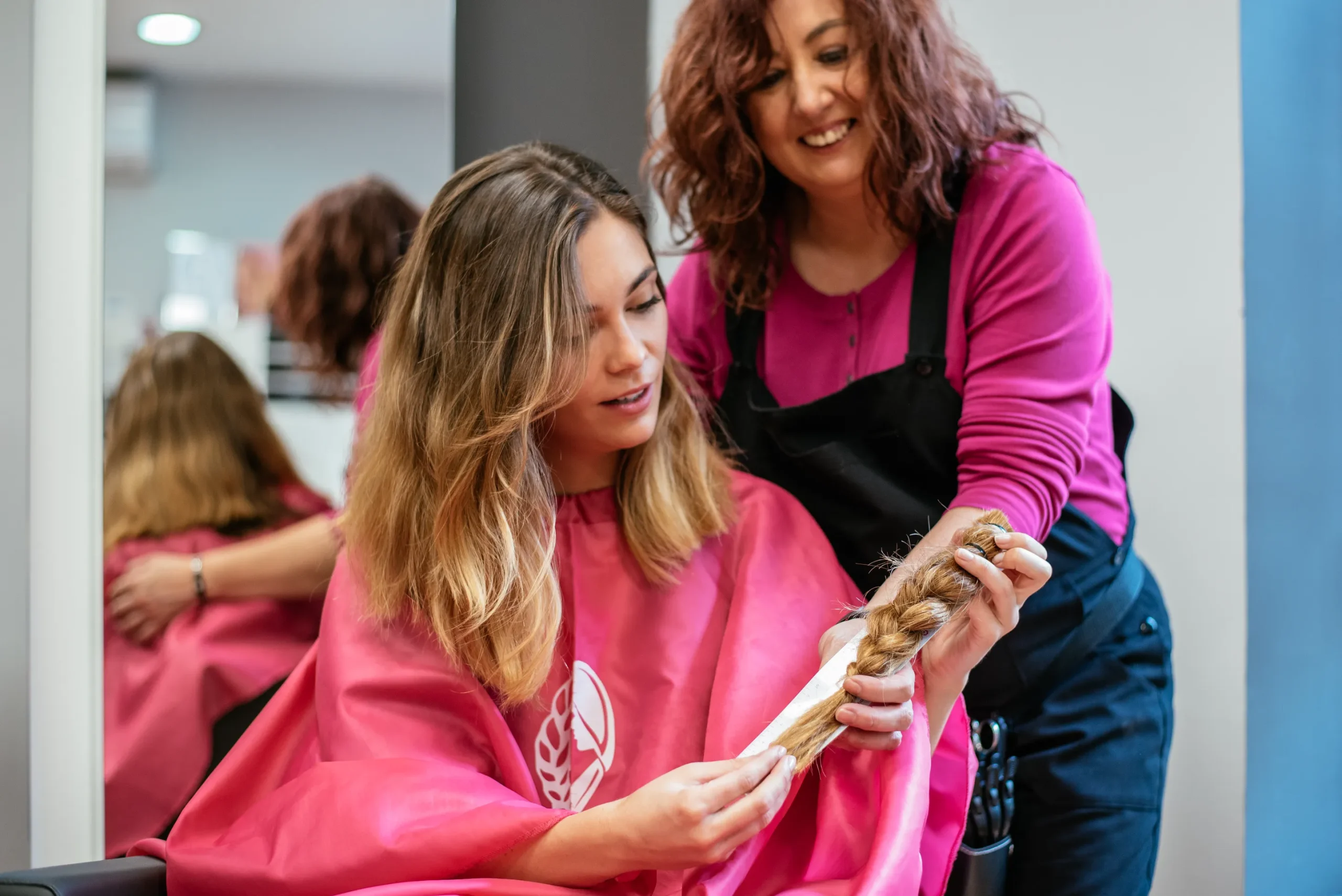
The beauty and wellness industry has long been intertwined with trends, traditions, and the pursuit of self-care. As modern consumers place increasing emphasis on self-expression and personal grooming, esthetics services have become an integral part of many people’s routines. From facials and massages to manicures and hair removal, estheticians provide a range of services designed to enhance both physical appearance and overall well-being. In this ever-evolving landscape, technology and innovation are reshaping the way esthetics services are delivered and experienced.
Key Points:
1. Evolution of Skincare Treatments: **Innovative skincare treatments**
The field of esthetics is witnessing a revolution in skincare treatments, with advancements in ingredients, techniques, and equipment. Estheticians now have access to a wide range of products that address specific skin concerns, from anti-aging serums to acne-fighting solutions. These treatments go beyond surface-level pampering, offering clients tangible results and long-term skincare benefits. **Customized skincare regimens**
Personalization is key in modern esthetics services, as clients seek tailored skincare regimens that cater to their unique needs. Estheticians are adept at analyzing skin types, identifying concerns, and recommending products and treatments that suit individual preferences. By creating customized regimens, estheticians empower clients to take proactive steps towards achieving healthy, radiant skin. 2. Wellness Integration in Esthetics: **Holistic approach to beauty**
Incorporating wellness practices into esthetics services is a growing trend that resonates with clients seeking a holistic approach to beauty. Estheticians are embracing techniques such as facial cupping, crystal healing, and aromatherapy to enhance the mind-body connection and promote overall well-being. By integrating wellness elements into treatments, estheticians are able to offer transformative experiences that go beyond surface-level aesthetics. **Mindful relaxation techniques**
In today’s fast-paced world, stress and anxiety are common concerns for many individuals. Estheticians are incorporating mindful relaxation techniques into their services, such as guided breathing exercises, meditation, and soothing music. These practices create a tranquil environment that promotes relaxation, reduces tension, and allows clients to unwind while receiving esthetics treatments. 3. Technology in Esthetics Services: **Digital skin analysis tools**
Technological advancements have revolutionized the way estheticians assess skin conditions and recommend treatments. Digital skin analysis tools, such as cameras and scanners, provide detailed insights into clients’ skin health, allowing estheticians to pinpoint concerns and track progress over time. By leveraging technology, estheticians can offer data-driven recommendations and enhance the overall client experience. **Virtual consultations and booking platforms**
Virtual consultations and online booking platforms have made esthetics services more accessible and convenient for clients. With the ability to schedule appointments, receive consultations, and access skincare advice remotely, clients can engage with estheticians from the comfort of their own homes. Virtual platforms also enable estheticians to connect with a broader audience and offer services beyond the confines of a traditional spa or salon.
Conclusion:
In conclusion, the landscape of esthetics services is evolving to meet the changing needs and preferences of modern consumers. From innovative skincare treatments to holistic wellness practices and technology integration, estheticians are embracing new trends and techniques to deliver exceptional services and experiences. By staying attuned to emerging developments and focusing on personalization and well-being, estheticians can continue to provide valuable services that enhance both the physical and emotional well-being of their clients in today’s dynamic beauty industry.