






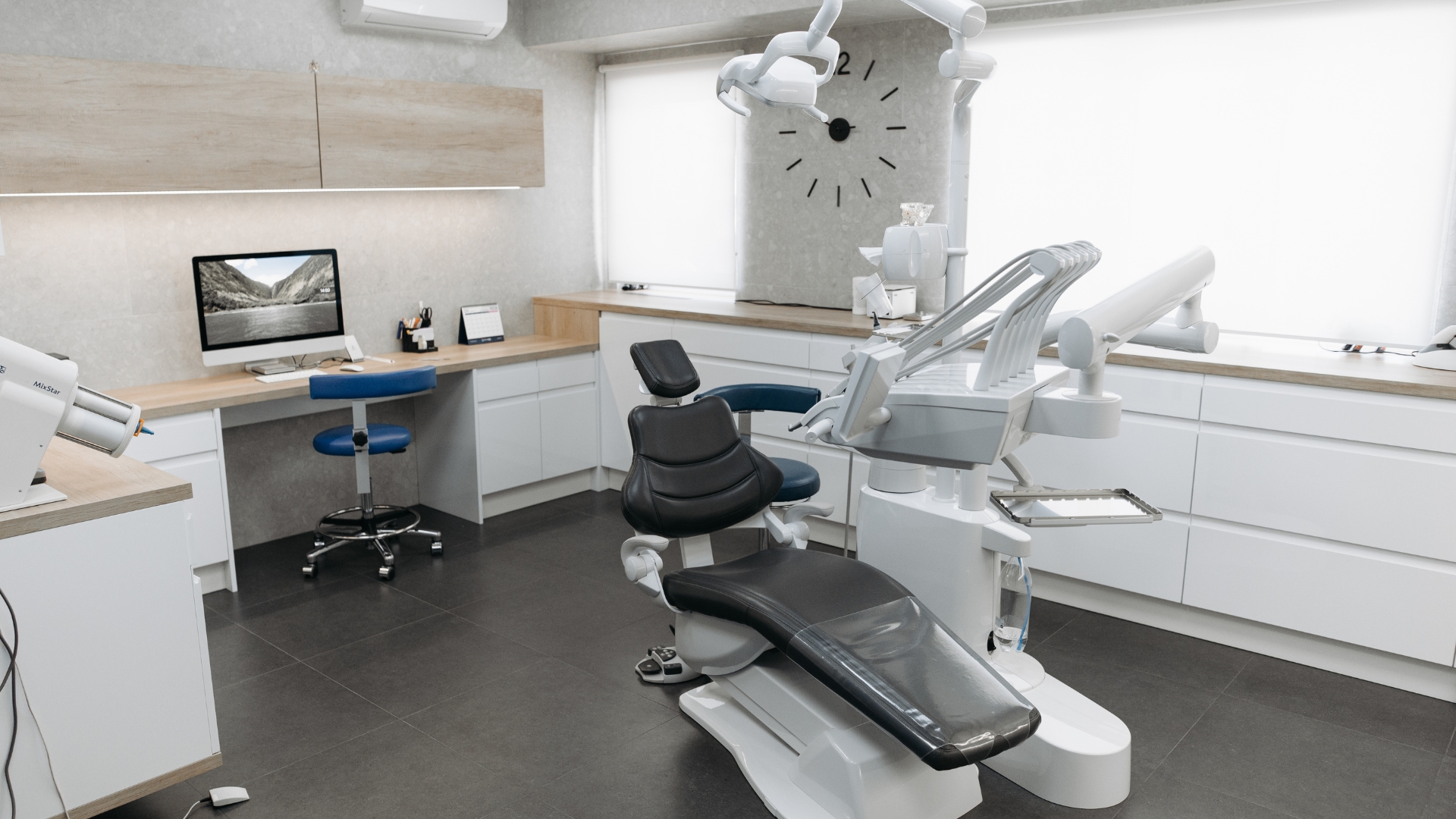
Franchising is a game-changer for clinics, spas, and salons looking to expand their footprint and amplify their brand in the wellness and beauty industry. For physicians offering medical expertise, massage therapists providing relaxation, or cosmetic injectors delivering aesthetic transformations, franchising offers a pathway to grow without the burden of managing every new location. By sharing a proven business model with passionate franchisees, owners can increase revenue, build brand loyalty, and create a network of consistent client experiences. This article dives into creative strategies for franchising success in 2025, offering fresh perspectives and practical steps to build a thriving franchise empire while keeping client satisfaction at the core.
The Allure of Franchising in Wellness and Beauty
Franchising transforms a successful local practice into a scalable brand, allowing entrepreneurs to replicate your model under your banner. It’s a win-win: franchisees invest in and operate new locations, while you earn fees and royalties without day-to-day oversight. This approach is particularly potent in the wellness and beauty sector, where demand for trusted services is soaring. Franchising delivers:
- Expanded Reach: Open new locations in untapped markets, growing your client base.
- Revenue Growth: Earn through initial fees, ongoing royalties, and product sales.
- Brand Power: Create a recognizable name that draws clients across regions.
- Shared Risk: Franchisees fund new sites, reducing your financial exposure.
- Community Leadership: Establish your brand as a go-to for wellness and beauty.
Crafting a Franchise That Shines
1. Build a Blueprint for Success
Your franchise must rest on a rock-solid, replicable model. This means documenting every detail of your operations—client intake, service delivery, staff training, and marketing—so franchisees can mirror your success. For example, a clinic might outline physician-led consultation protocols, while a salon details its signature styling process. A CRM like ClinicSoftware.com can streamline this by standardizing workflows, from booking to client follow-ups, ensuring every location operates like the original.
Next Step: Draft an operations manual covering all processes within four months, testing it with a pilot location.
2. Harness Technology for Uniformity
Technology is the glue that holds a franchise network together. A cloud-based CRM ensures consistency across locations by centralizing scheduling, client data, and inventory. For instance, ClinicSoftware.com’s online booking system lets clients schedule seamlessly at any franchise, while digital forms keep records compliant and accessible. This reduces training time and ensures franchisees deliver your brand’s promise.
Next Step: Roll out a CRM to all franchisees, with mandatory training completed within 30 days of onboarding.
3. Forge a Memorable Brand
A strong brand is the heart of a franchise. Develop a cohesive identity—logo, messaging, and client experience—that resonates with your audience, whether it’s health-conscious families or beauty-savvy millennials. For example, a spa might emphasize holistic wellness, while a medspa highlights cutting-edge injectables. Provide franchisees with brand guidelines and marketing assets to maintain consistency.
Next Step: Create a brand playbook and enforce compliance through quarterly audits, targeting 95% adherence.
4. Empower Franchisees with Support
Franchisees are your partners, and their success drives yours. Offer comprehensive training on operations, client service, and CRM usage. For example, train clinic franchisees on medical protocols or spa franchisees on relaxation techniques. Provide a digital franchise portal with resources like troubleshooting guides and marketing templates. Regular virtual check-ins keep franchisees on track.
Next Step: Launch a training program with in-person and online modules, onboarding new franchisees within 45 days.
5. Centralize Marketing Efforts
A unified marketing strategy ensures brand consistency while easing franchisee workload. Use a CRM to create customizable campaigns, like email newsletters or SMS promotions, tailored to local markets. For instance, a salon franchisee might promote a new haircare line, while a clinic pushes a wellness package. Provide social media templates and geo-targeted ad strategies to attract local clients.
Next Step: Develop a marketing resource kit, including pre-designed ads, for franchisees to use within one month of launch.
6. Deliver Consistent Client Experiences
Your brand’s reputation hinges on uniform client experiences. Define clear service standards, like a 15-minute consultation for physicians or a signature welcome ritual for spas. Use CRM tools to track client feedback and ensure franchisees meet these standards. For example, a salon might guarantee a 5-minute check-in process, enhancing client satisfaction.
Next Step: Implement a client experience framework and monitor compliance via CRM data, aiming for 90% satisfaction.
7. Design a Profitable Financial Structure
A sustainable franchise model balances your revenue with franchisee profitability. Set initial fees to cover training and support, and establish royalties (e.g., 6–8% of revenue) for ongoing income. Use CRM analytics to guide franchisees on pricing and high-margin services, like injectables for medspas or personal training for gyms.
Next Step: Build a financial model with clear ROI projections, testing it with a pilot location within six months.
8. Expand with Precision
Choose franchise locations strategically, targeting markets with high demand for your services. Use CRM data to analyze client demographics and preferences, ensuring alignment with your brand. For example, a spa might target urban wellness hubs, while a clinic focuses on suburban areas with families. Assist franchisees with site selection and lease negotiations.
Next Step: Identify three high-potential markets within one year, using CRM data to validate demand.
The Franchising Roadmap
Phase 1: Lay the Foundation
Before franchising, confirm your business is ready. Assess profitability, client retention, and operational efficiency using CRM metrics, like a 15% profit margin or 85% client return rate. Ensure your model is replicable by documenting all processes, from booking to service delivery.
Goal: Complete a readiness assessment within three months, confirming scalability.
Phase 2: Create the Franchise Structure
Develop a franchise disclosure document (FDD) outlining legal and financial terms. Craft an operations manual covering client interactions, staff roles, and marketing. Use a CRM to standardize processes, ensuring franchisees can access client data and schedules seamlessly.
Goal: Finalize the FDD and manual within five months, ready for legal approval.
Phase 3: Attract and Train Franchisees
Recruit franchisees who align with your brand’s vision, such as wellness entrepreneurs or beauty enthusiasts. Promote your franchise through industry events, social media, and brokers. Train franchisees on CRM usage, service standards, and marketing, ensuring they’re ready to operate.
Goal: Onboard two franchisees within eight months, with training completed in 30 days.
Phase 4: Test with a Pilot
Launch a pilot location to test your franchise model. Use CRM analytics to monitor performance, like booking rates or client satisfaction, and refine processes based on feedback. Provide hands-on support to ensure the pilot succeeds, setting a precedent for future locations.
Goal: Achieve 80% of projected revenue in the pilot within four months.
Phase 5: Scale and Optimize
Expand to new locations, using CRM data to select high-potential markets. Monitor franchisee performance through analytics, ensuring consistency in client experiences. Conduct regular audits to maintain brand standards and provide ongoing support via a franchise portal.
Goal: Open four additional locations within two years, maintaining 90% client satisfaction.
Critical Factors for Franchising Success
- Legal Clarity: Partner with a franchise attorney to ensure your FDD complies with regulations, protecting your brand and franchisees.
- Franchisee Fit: Select franchisees with business savvy and passion for your industry, conducting thorough vetting to ensure alignment.
- Tech Backbone: Mandate CRM use, like ClinicSoftware.com, for unified operations, from scheduling to client tracking.
- Brand Vigilance: Audit franchise locations regularly to ensure compliance with service and marketing standards.
- Financial Support: Guide franchisees on pricing, cost management, and revenue strategies to ensure mutual profitability.
Success Metrics to Track
Evaluate your franchise network with these metrics:
- Franchisee Profitability: Each location should hit 75% of projected revenue within six months.
- Client Retention: Aim for 85% of clients returning within 60 days across locations.
- No-Show Rates: Reduce no-shows by 20% with CRM-driven reminders.
- Brand Consistency: Achieve 90% compliance with brand standards via audits.
Review these biannually to optimize your franchise model and drive growth.
Real-Life Success Stories
1. PureHealth Clinics: Tech-Driven Expansion
PureHealth Clinics franchised its physician-led model, using ClinicSoftware.com to unify operations. The CRM’s online booking system cut no-shows by 25%, while centralized data ensured consistent patient care. The first franchise location generated $120,000 in revenue within six months, with 88% client satisfaction.
Result: 22% revenue growth and three new locations planned.
2. Tranquil Spa: Marketing Mastery
Tranquil Spa franchised its wellness-focused model, providing franchisees with CRM-driven marketing templates. SMS campaigns boosted bookings by 20%, while standardized relaxation protocols ensured 90% client satisfaction. Royalties added $15,000 monthly to the franchisor’s revenue.
Result: 18% increase in brand reach and $200,000 in annual franchise income.
3. Style Studio: Franchisee Empowerment
Style Studio launched a salon franchise, offering robust training on CRM usage and styling techniques. The CRM’s inventory tracking saved 12% on product costs, while automated reminders increased bookings by 22%. The pilot location reached profitability in five months, paving the way for expansion.
Result: 20% booking growth and $100,000 in franchise fees.
Emerging Trends in Franchising
In 2025, franchising will evolve with these trends:
- AI Optimization: AI will streamline franchise operations, predicting demand and automating marketing.
- Mobile Integration: Mobile apps will enable franchisees and clients to manage schedules and data seamlessly.
- Eco-Conscious Models: Sustainable practices, like digital forms, will attract eco-aware franchisees and clients.
- Compact Franchises: Smaller, low-cost franchise models will appeal to entrepreneurs in niche markets.
Proactive Solutions for Franchising Hurdles
Rather than a challenges table, here’s how to tackle common hurdles head-on:
- Finding the Right Franchisees: Promote your franchise at wellness expos and online platforms, highlighting CRM-driven efficiencies like 15-hour weekly admin time savings. Screen candidates for passion and business skills.
- Ensuring Brand Consistency: Use CRM analytics to monitor franchisee performance, like client satisfaction or booking rates. Conduct virtual audits monthly to maintain standards.
- Managing Startup Costs: Offer tiered franchise models, like smaller “lite†locations, to lower entry barriers. Partner with lenders to provide financing options.
- Streamlining Training: Develop a digital training platform with videos and quizzes, ensuring franchisees master operations within 30 days. Use CRM data to track progress.
- Avoiding Market Overlap: Use CRM demographics to identify untapped markets, targeting areas with high demand for wellness or beauty services.
Voices from the Field
Client insights highlight the power of technology in franchising. A spa franchisee said, “ClinicSoftware.com’s booking system lets clients schedule 24/7, making operations effortless.†A clinic noted, “The intuitive system for notes and photos keeps everything consistent.†These testimonials show how CRMs drive franchise success.
Conclusion
Franchising unlocks immense potential for clinics, spas, and salons to scale in 2025. By building a replicable model, leveraging tools like ClinicSoftware.com, and empowering franchisees with training and marketing support, you can create a thriving network. Start by assessing your readiness and launching a pilot location, using CRM data to refine your approach. With vision and execution, your franchise can transform into a wellness and beauty powerhouse, delivering consistent client experiences and robust growth.