





The Beauty of Hair: Understanding Its Significance and Importance Hair is one of the most distinctive and expressive features of human anatomy. It covers our scalps, protects us from the elements, and plays a significant role in our self-expression and social identity. From its cultural significance to its impact on our mental health, hair is more than just a physical attribute – it’s an integral part of who we are. Hair has been an essential aspect of human culture for thousands of years. In ancient civilizations, such as Egypt and Greece, hair was considered a symbol of wealth, status, and power. The length and style of one’s hair were often used to signify social standing, with longer hair indicating higher rank and shorter hair indicating lower status. In many cultures, hair is also deeply rooted in spiritual and religious traditions. For example, in Hinduism, the head is considered sacred and the hair is seen as a symbol of divine connection. In some African cultures, hair is believed to possess spiritual power and is often used in traditional rituals and ceremonies. Beyond its cultural significance, hair has a profound impact on our mental health and self-esteem. The way we perceive ourselves through our physical appearance, including our hair, can greatly affect our confidence and well-being. A bad hair day can quickly turn into a bad mood, while a good hair day can boost our mood and energy levels. Hair also plays a significant role in our social interactions and relationships. Our hair can be used to convey messages about our personality, values, and intentions. For example, a bold and vibrant hairstyle can signal confidence and creativity, while a more subdued style can convey caution and reserve. In addition to its emotional significance, hair has practical applications in our daily lives. It provides insulation and protection from the elements, helping to regulate body temperature and prevent sunburn. It also serves as a means of expression and personal identity, allowing us to express ourselves through various styles and colors. Key Points Understanding Hair Types There are several different types of hair, each with its unique characteristics and growth patterns. The main categories include straight, curly, wavy, and textured hair. Understanding our individual hair type is essential for choosing the right products and treatments to optimize our hair’s health and appearance. The Importance of Hair Care Proper hair care is crucial for maintaining healthy and beautiful hair. This includes regular washing, conditioning, and styling, as well as protecting our hair from damage caused by heat styling tools, chemical processing, and environmental factors. Hair and Mental Health There is a significant link between hair and mental health. Research has shown that people with hair loss or thinning are more likely to experience anxiety, depression, and other mental health issues. This highlights the importance of self-acceptance and self-care in relation to our physical appearance. The Business of Hair The hair industry is a multi-billion dollar market, with countless products and services available to cater to different needs and preferences. From high-end salon treatments to affordable at-home care products, there are many options for maintaining and enhancing the health and beauty of our hair. 1. Hair Styling Trends Hair styling trends come and go, but some styles stand out as timeless classics. For example, a classic bob or pixie cut can be worn by anyone, regardless of age or face shape. Other styles, such as afros and dreadlocks, are often associated with specific cultures and communities. 2. Hair Color Options There are many different hair color options available, ranging from subtle natural shades to bold and vibrant hues. Some people prefer their natural hair color, while others enjoy trying out new shades and colors to express themselves. 3. Hair Loss and Thinning Hair loss and thinning can be caused by a range of factors, including genetics, hormonal imbalances, and medical conditions such as alopecia or thyroid disease. There are many treatments available for hair loss, from medications to natural remedies and low-level laser therapy. 4. The Role of Hair in Self-Expression Hair is often seen as an extension of our personality and individuality. From bold and vibrant colors to intricate hairstyles, our hair can convey messages about who we are and what we value. This highlights the importance of self-expression and personal identity in relation to our physical appearance. Conclusion Hair is a complex and multifaceted aspect of human experience. It plays a significant role in our cultural significance, social interactions, and mental health, as well as having practical applications in our daily lives. By understanding our individual hair type, practicing proper hair care, and embracing self-expression, we can optimize the health and beauty of our hair, leading to greater confidence, self-acceptance, and overall well-being.
Hair By Meredith

You May Also Like
Best Spas In Santa Monica
Best Spas In Santa Monica
Skin Md Medspa
Skin Md Medspa
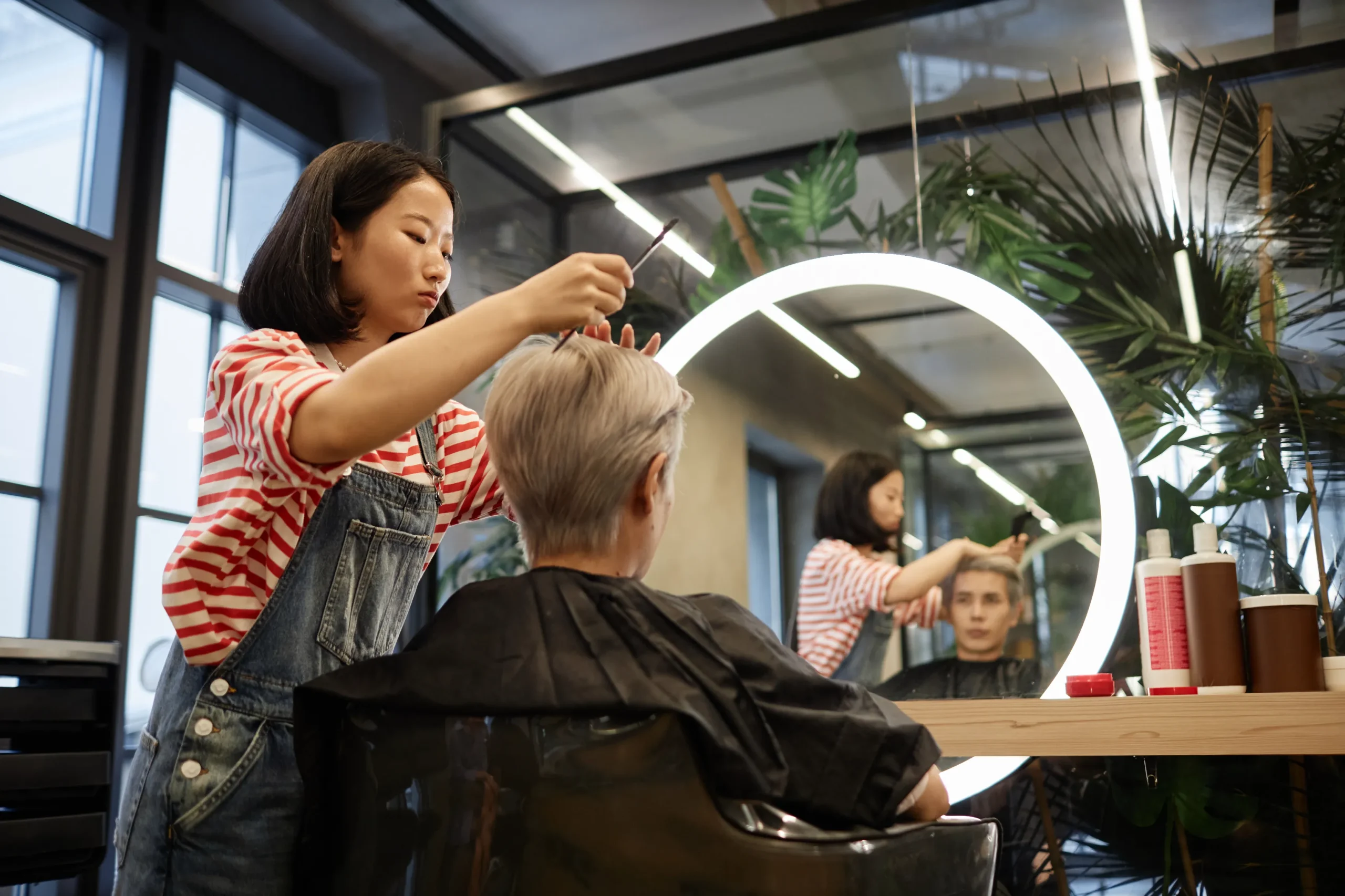
How To Get Clientele As A Hairstylist
How To Get Clientele As A Hairstylist