Introduction:
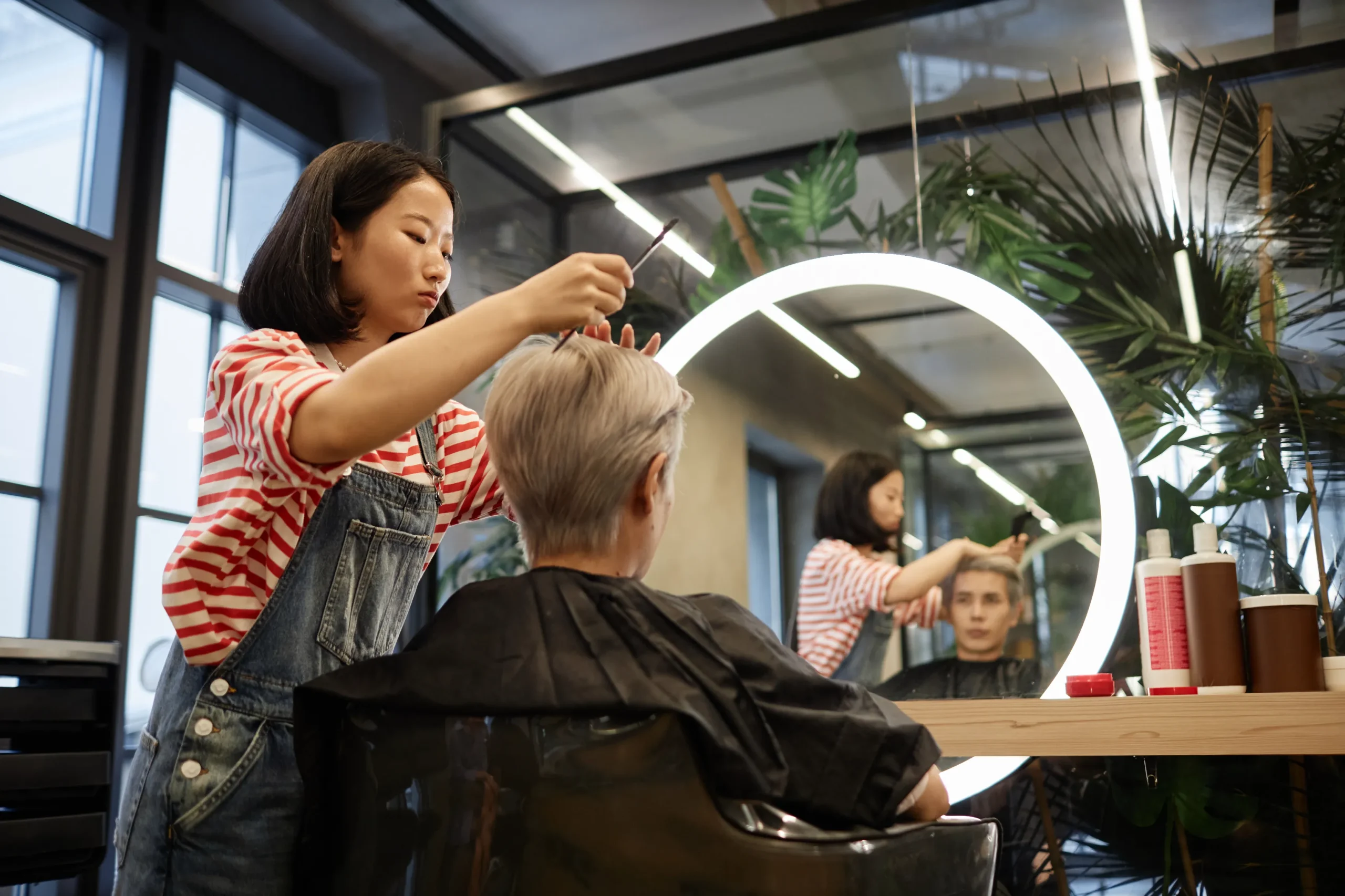
Hair stylists play a crucial role in helping clients achieve their desired looks and boosting their confidence. From classic cuts to trendy styles, hair stylists use their creative talents to transform hair into works of art. Beyond just hair styling, these professionals often serve as confidants and advisors, building lasting relationships with their clients. Let’s explore the diverse responsibilities and skills required in the world of hair styling.
Key Points:
1. Hair Consultation and Client Communication: Effective communication is the cornerstone of a successful hair styling session. Hair stylists begin by conducting thorough consultations with clients to understand their preferences, lifestyle, and hair texture. By actively listening to clients’ needs and providing expert advice, hair stylists can tailor their services to create personalized looks that exceed expectations. Hair stylists also educate clients on proper hair care techniques and recommend products to maintain their styles between salon visits. Building trust through clear communication fosters long-lasting relationships and ensures client satisfaction.
2. Hair Cutting and Styling Techniques: Hair cutting and styling are at the core of a hair stylist’s responsibilities. From precision cuts to intricate updos, hair stylists utilize a range of techniques to transform hair into stunning creations. Whether it’s a chic bob, glamorous curls, or edgy pixie cut, each style requires skill, creativity, and attention to detail. Hair stylists stay updated on the latest trends and techniques in the industry, continuously honing their craft to offer clients innovative and stylish looks. Mastery of cutting, coloring, and styling methods is essential for delivering exceptional results that showcase the artistic vision of the hair stylist.
3. Color Application and Chemical Treatments: Adding color to hair can dramatically enhance a client’s appearance and self-confidence. Hair stylists are skilled in applying various coloring techniques, from highlights and balayage to full-color transformations. They assess clients’ skin tones, features, and desired outcomes to create custom color formulations that complement their overall look. In addition to coloring, hair stylists may perform chemical treatments such as perms, relaxers, and keratin treatments. These services require precision and expertise to achieve desired results while maintaining the health and integrity of the hair. Providing quality color and chemical treatments requires a deep understanding of products, techniques, and safety protocols.
4. Salon Maintenance and Cleanliness: Maintaining a clean and welcoming salon environment is essential for a positive client experience. Hair stylists are responsible for keeping their workstations organized, sanitized, and stocked with necessary tools and products. Regular cleaning and disinfection procedures ensure a hygienic space for both clients and staff. Hair stylists also play a role in salon management by assisting with inventory management, scheduling appointments, and coordinating with other salon staff. Collaborating with team members to uphold high standards of professionalism and cleanliness enhances the overall reputation of the salon and contributes to a positive work environment.
5. Professional Development and Continuing Education: The beauty industry is constantly evolving, with new trends, techniques, and products emerging regularly. Hair stylists are committed to ongoing professional development to stay current and grow their skills. Attending workshops, seminars, and advanced training programs allows hair stylists to expand their knowledge and elevate their expertise. Continuing education in areas such as color theory, cutting techniques, and client relations empowers hair stylists to offer a diverse range of services and adapt to changing client preferences. By investing in their education and skill development, hair stylists can excel in their careers and provide exceptional service to their clients.
Conclusion:
As skilled professionals with a passion for creativity and artistry, hair stylists play a vital role in helping individuals express their unique style and confidence through their hair. From consultation and communication to technical expertise and salon management, hair stylists juggle diverse responsibilities with finesse and dedication. By mastering the art of hair styling and embracing ongoing learning opportunities, hair stylists can continue to delight clients and thrive in the dynamic beauty industry.