






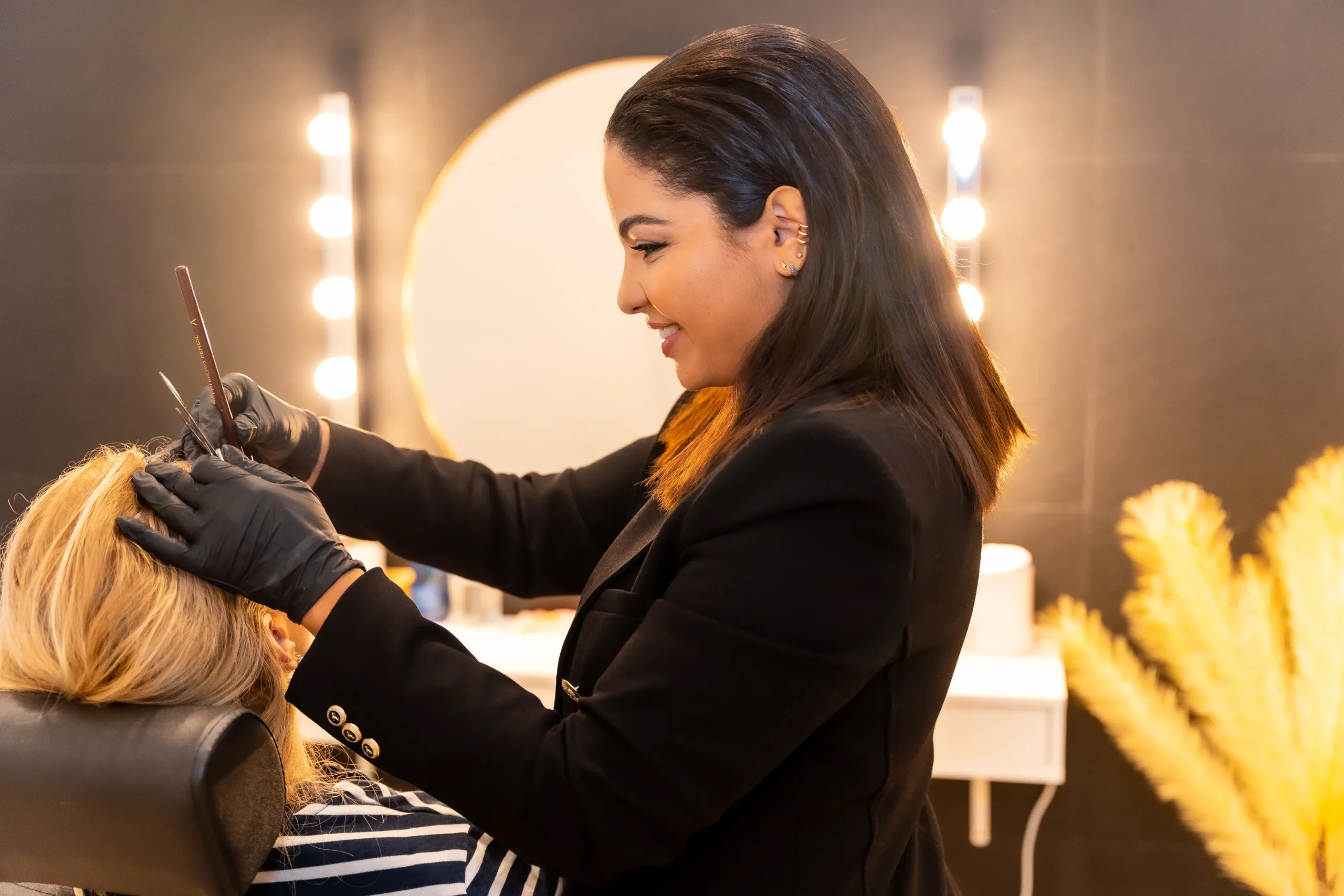
Introduction:
Hair stylists play a crucial role in helping individuals express their unique style and confidence through hair design and grooming. As the beauty industry continues to evolve with trends and technologies, the role of a hair stylist remains timeless, combining artistry, skill, and personal connection to create stunning transformations. In today’s fast-paced world, hair stylists are not just professionals but artists who craft wearable masterpieces that reflect individuality and enhance natural beauty.
Key Points:
1. The Art of Hair Design: Hair stylists are artists wielding scissors and combs as their paintbrushes, expertly shaping and sculpting hair to create captivating styles. Each client presents a blank canvas, and the stylist uses their creativity and vision to design a look that complements the client’s features and personality. Whether it’s a trendy bob, a glamorous updo, or vibrant color highlights, the artistry of a hair stylist shines through in every cut, curl, and color application they execute.
Hair design goes beyond technical skills; it involves understanding the latest fashion trends, hair textures, and face shapes. A skilled hair stylist can transform a simple haircut into a work of art that enhances their client’s overall appearance and boosts their confidence.
2. Personalized Consultation and Customer Care: A hallmark of a professional hair stylist is their ability to offer personalized consultations and exceptional customer care. Before picking up the scissors, a stylist will take the time to understand the client’s hair goals, lifestyle, and preferences. This one-on-one interaction builds trust and rapport, allowing the stylist to tailor the hair design to meet the client’s needs effectively.
Creating a comfortable and welcoming atmosphere in the salon is crucial for providing a positive experience. A skilled hair stylist not only delivers excellent results but also ensures that the client feels valued, heard, and pampered throughout the service. This personalized approach fosters loyalty and establishes long-lasting relationships with clients.
3. Keeping Up with Trends and Techniques: Hair styling is an ever-evolving field, with trends and techniques constantly changing. A professional hair stylist understands the importance of staying current with the latest industry trends, from haircut trends to color techniques and styling methods. Continuous education and training are essential to hone skills, expand knowledge, and offer clients the most up-to-date services.
Moreover, mastering a diverse range of styling techniques, from precision cutting to balayage highlighting, allows a hair stylist to cater to a wide variety of client preferences. By adapting to trends and techniques, a stylist can ensure that their work remains fresh, innovative, and in-demand in the competitive beauty industry.
4. Building a Strong Professional Brand: In today’s digital age, establishing a strong professional brand is essential for success as a hair stylist. Social media platforms serve as powerful tools for showcasing the stylist’s portfolio, sharing client transformations, and engaging with a wider audience. By curating a cohesive brand image and actively promoting their work online, a hair stylist can attract new clients, build credibility, and stand out in a crowded market.
Effective branding also involves creating a memorable salon experience, from the ambiance and décor to the quality of service provided. Consistency in branding, from the stylist’s personal style to the salon’s aesthetic, helps create a recognizable brand identity that resonates with clients and sets the stylist apart from the competition.
5. Embracing Sustainability and Wellness: As awareness of environmental sustainability and health-conscious living grows, hair stylists are increasingly embracing sustainable practices and wellness-focused services. Many clients seek natural, eco-friendly hair care products and services that prioritize their well-being and minimize environmental impact. A forward-thinking hair stylist who incorporates sustainable practices into their salon operations can attract eco-conscious clients and align with the values of the modern consumer.
In addition to eco-friendly initiatives, promoting wellness and self-care services, such as scalp massages, aromatherapy treatments, and stress-relief rituals, enhances the overall salon experience. By prioritizing holistic well-being alongside hair design, a hair stylist can create a nurturing, rejuvenating environment that fosters both outer beauty and inner wellness.
Conclusion:
In conclusion, the role of a hair stylist transcends beyond just hair cutting and styling; it encompasses artistry, personal connection, and continuous innovation. By mastering the art of hair design, offering personalized consultations, staying abreast of trends, building a strong brand, and embracing sustainability and wellness, hair stylists can elevate their craft and provide exceptional service to their clients. In a world where individual expression and self-care are valued, the expertise and passion of a skilled hair stylist remain indispensable in helping individuals look and feel their best.