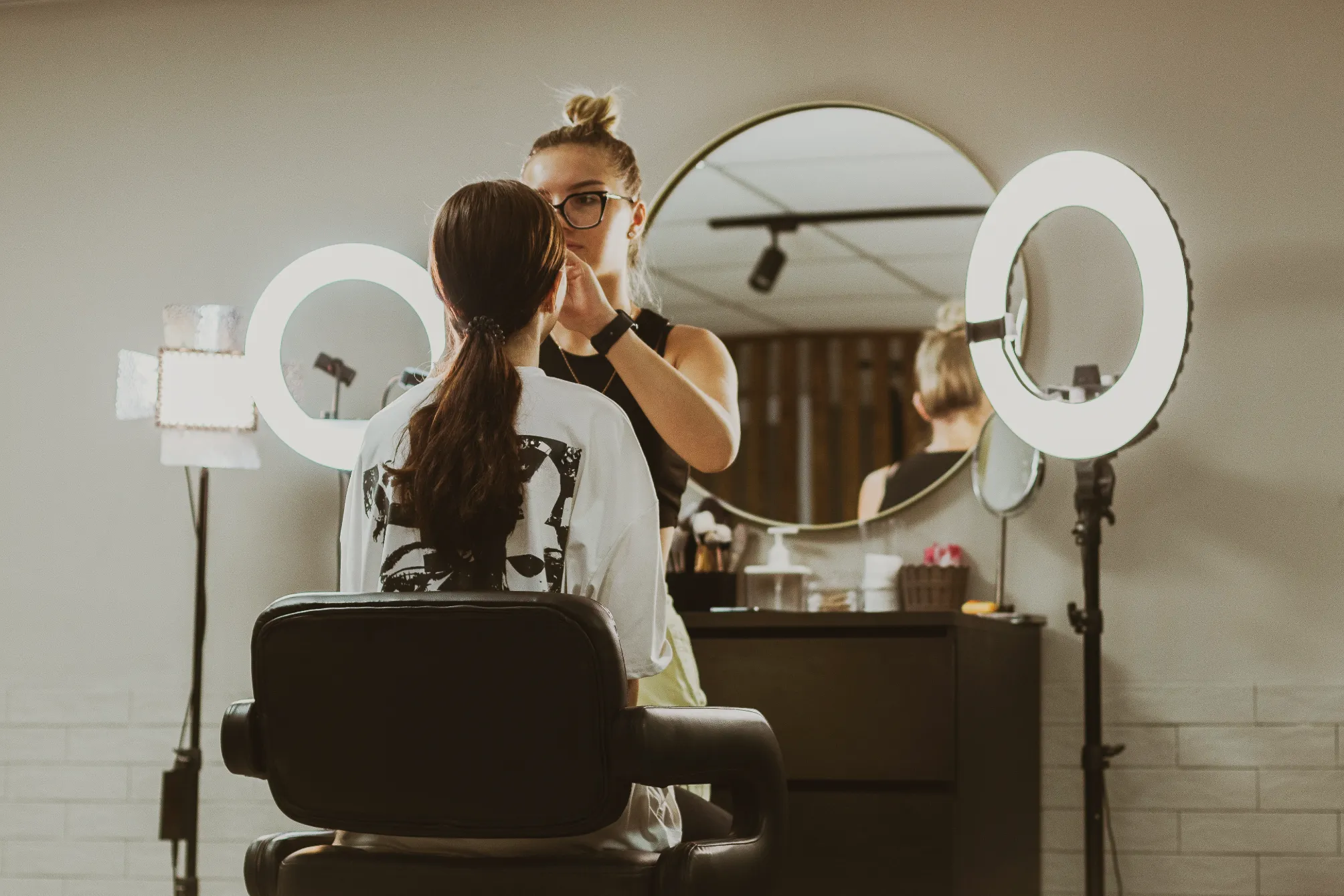
Introduction Hairtime is a cherished experience that brings people together, regardless of age or culture. It’s a time for bonding, relaxation, and rejuvenation, often at the hands of skilled professionals who wield scissors, shampoos, and conditioning treatments like magic wands. From the first tentative touch to the final stylish leave, hairtime is an intricate dance between expectation, surprise, and delight. In today’s fast-paced world, where time seems to be slipping away from us, hairtime offers a precious respite from the chaos of daily life. It’s an opportunity to unwind, let go, and indulge in some much-needed self-care. For many of us, our relationship with our hair is deeply personal – it’s a reflection of our personality, style, and individuality. Moreover, hairtime has become an essential part of many cultural traditions and celebrations around the world. Whether it’s a wedding day, a birthday bash, or a milestone anniversary, hair styling plays a significant role in making these events even more memorable and special. In this article, we’ll delve into the significance of hairtime, its history, and what makes it such an essential part of our lives. Key Points
The Significance of Hairtime
Hairtime is not just about physical appearance; it’s a sensory experience that awakens our emotions, sparks our creativity, and connects us to others on a deeper level. For many people, hairtime evokes memories of childhood – playing with dolls, having tea parties, or simply enjoying quality time with loved ones. These early experiences shape our perceptions and expectations, influencing the way we view ourselves in relation to our hair. Moreover, hairtime has become an integral part of social bonding. Whether it’s a girls’ day out, a family gathering, or a group outing with friends, sharing the experience of getting one’s hair styled can create lifelong connections and friendships. Additionally, hairtime offers a unique opportunity for self-expression and empowerment. By choosing our hairstyle, color, and overall look, we’re exercising our individuality and taking control of how we present ourselves to the world. As we explore the world of hairtime in more depth, it’s essential to examine its history, cultural significance, and personal impact on individuals.
The Evolution of Hairtime
The practice of grooming and styling hair dates back thousands of years, with evidence of ancient civilizations such as Egypt, Greece, and Rome all showcasing an affinity for elaborate hairstyles. In these cultures, hair was often seen as a symbol of status, power, and spirituality. The more intricate the design, the higher the social standing or spiritual significance. As we move through time, we see the rise and fall of different styles and trends. From the towering headdresses of ancient Africa to the sleek bobbed haircuts of the 1920s, each era has contributed its unique perspective on beauty and self-expression. In recent years, however, there’s been a shift towards more personalized and inclusive approaches to hair styling. With the proliferation of social media, we’re seeing a rise in diversity and representation, as people from all walks of life share their stories, styles, and experiences with the world. This shift has also led to an increased focus on accessibility and inclusivity within the industry. With more salons and stylists now catering to diverse needs and preferences, hairtime is becoming more accessible than ever before.
The Psychology of Hairtime
Hairtime is not just about physical appearance; it’s a deeply psychological experience that speaks to our emotions, insecurities, and desires. Research has shown that the way we perceive ourselves in relation to our hair can significantly impact our self-esteem and confidence. A positive experience at the salon or with a stylist can boost our mood, reduce stress, and leave us feeling refreshed and revitalized. Moreover, the process of getting one’s hair styled can be therapeutic – a chance to unwind, relax, and indulge in some much-needed pampering. The gentle touch of fingers, the soothing scent of products, and the calming atmosphere of the salon all combine to create an experience that’s both rejuvenating and meditative. As we explore the psychology of hairtime, it becomes clear that this experience is not just about external appearance; it’s about how we feel on the inside – confident, empowered, and connected to ourselves and others.
The Role of Technology in Hairtime
The world of hairtime has undergone a significant transformation with the rise of technology. Gone are the days of relying solely on word-of-mouth recommendations or old-fashioned print magazines. Today, we have access to an array of digital platforms, apps, and social media channels that cater specifically to our interests, preferences, and needs. From virtual consultations to AI-powered styling tools, technology is changing the way we experience hairtime in profound ways. Moreover, social media has become a breeding ground for inspiration, creativity, and connection. We’re able to share our experiences, showcase our styles, and connect with like-minded individuals from all over the world. However, as we navigate this brave new world of digital hairtime, it’s essential to remember that technology is only a tool – not a replacement for human touch, empathy, and understanding. At its core, hairtime remains about connection, community, and shared experience. Whether we’re in a virtual salon or an in-person consultation, the essence of this experience remains the same – a chance to bond with others, celebrate ourselves, and indulge in some much-needed self-care.
The Future of Hairtime
As we look to the future, it’s clear that hairtime will continue to evolve and adapt to our changing needs and desires. With the rise of sustainability, accessibility, and inclusivity, the industry is shifting towards more eco-friendly practices, diverse representation, and personalized experiences. Moreover, technology will continue to play a significant role in shaping the way we experience hairtime – from virtual consultations to AI-powered styling tools, social media platforms, and digital platforms that cater specifically to our interests and preferences. However, amidst all this change, it’s essential to remember that at its heart, hairtime remains about human connection, empathy, and understanding. As we move forward into an increasingly digital world, let us not forget the importance of nurturing relationships, celebrating individuality, and indulging in some much-needed self-care – all wrapped up in the wonderful world of hairtime. Conclusion Hairtime is a wondrous experience that speaks to our emotions, desires, and connection to others. Whether we’re exploring its history, psychology, or future, it’s clear that this experience holds a profound significance in our lives. From cultural traditions and personal bonding to self-expression and empowerment, hairtime offers an array of benefits that extend far beyond physical appearance. As we navigate the ever-changing landscape of beauty, technology, and identity, let us not forget the essence of what makes hairtime so special – connection, community, and shared experience. In the end, it’s this human touch, empathy, and understanding that will continue to define the world of hairtime in the years to come.