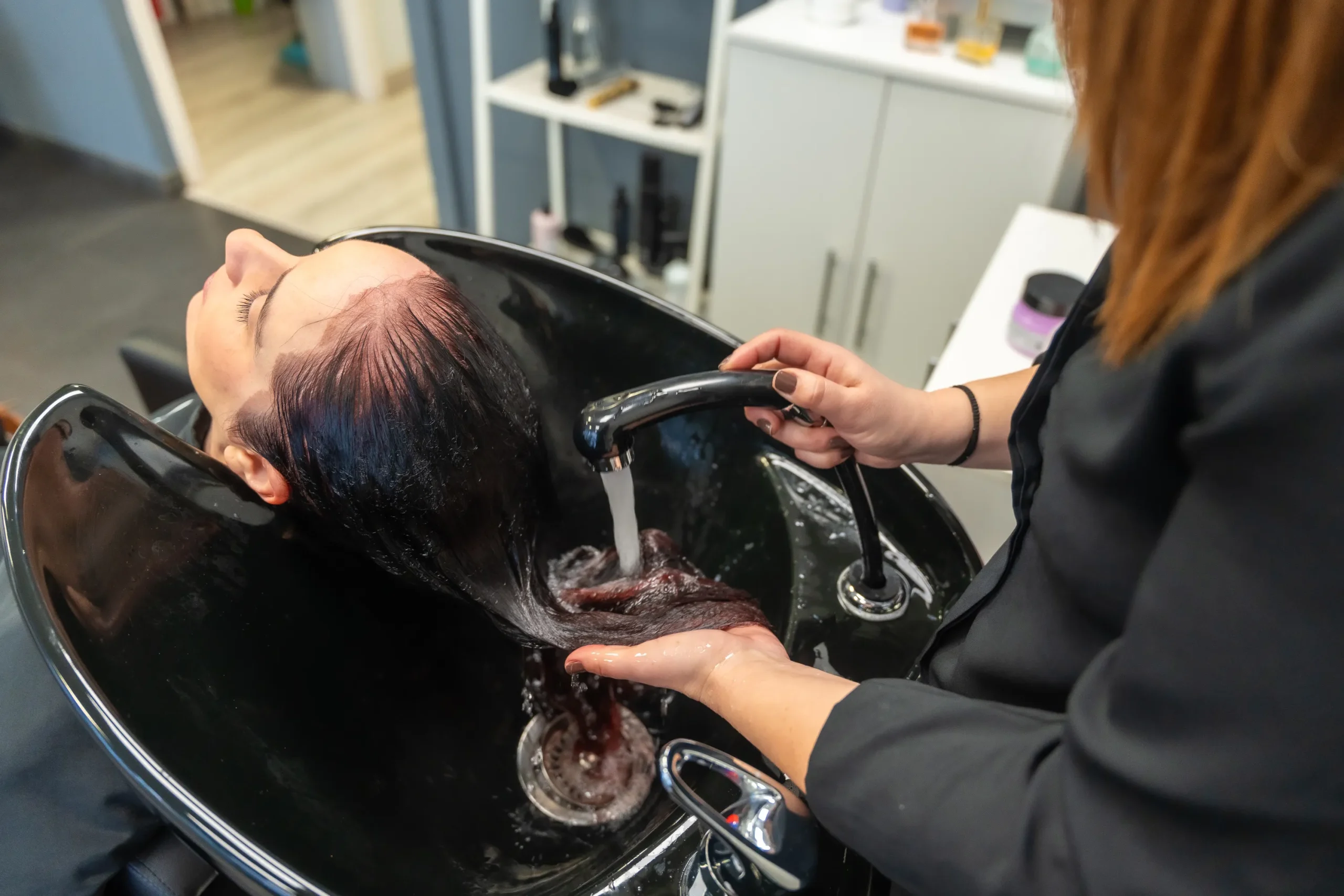
Introduction:
Hairstylists play a crucial role in the beauty industry, transforming clients’ looks and boosting their confidence with skillful cuts, colors, and styles. Beyond their creativity and technical expertise, hairstylists must also navigate the business side of their profession, including setting prices, managing appointments, and ensuring customer satisfaction. Understanding how much hairstylists make is essential for both aspiring professionals and salon owners looking to attract and retain top talent.
Key Points:
1. Average Hairstylist Salaries:
Hairstylist salaries can vary depending on factors such as location, experience, and clientele. On average, hairstylists in the United States earn around $30,000 to $50,000 per year. However, top earners in upscale salons or with a loyal celebrity clientele can make well above $100,000 annually. It’s important for hairstylists to consider their target market and skill level when setting pricing for services to ensure fair compensation for their expertise.
For those starting in the industry, entry-level hairstylists typically earn around $20,000 to $30,000 per year. As they gain experience and build a loyal clientele, their earning potential increases. Hairstylists who specialize in services such as color correction, extensions, or bridal styling can command higher prices and boost their overall income.
2. Commission vs. Booth Rental:
Hairstylists can earn money through various employment structures, with two common options being commission-based salons or booth rental arrangements. In a commission-based salon, stylists receive a percentage of the revenue from services they perform, usually around 40% to 60%. This model provides stability and support but may limit earning potential based on salon traffic.
On the other hand, booth rental allows hairstylists to operate as independent contractors within a salon. They pay a flat rental fee for their space and keep all profits from services rendered. This setup offers more control over pricing and scheduling but also entails greater financial risk, as stylists are responsible for covering expenses like products, tools, and marketing.
3. Tips and Additional Income:
In addition to their base salary or earnings from services, hairstylists often receive tips from satisfied clients. Tipping etiquette varies, but it’s customary to tip hairstylists 15% to 20% of the service cost. Tips can significantly boost a stylist’s income, especially during peak seasons or holidays when clients are more generous.
Moreover, hairstylists can increase their income by upselling retail products to clients. Recommending high-quality hair care products, styling tools, or treatments not only benefits the client but also adds to the stylist’s bottom line. Building strong relationships with clients and providing exceptional service can lead to repeat business and referrals, further enhancing earning potential.
Conclusion:
Understanding the earning potential of hairstylists is essential for both professionals and salon owners alike. By considering factors such as average salaries, employment structures, tips, and additional income sources, hairstylists can make informed decisions to maximize their earnings and build successful careers in the competitive beauty industry. Whether just starting out or looking to grow their client base, knowledge of hairstylist income trends can empower individuals to set realistic goals and thrive in this dynamic field.