Introduction:
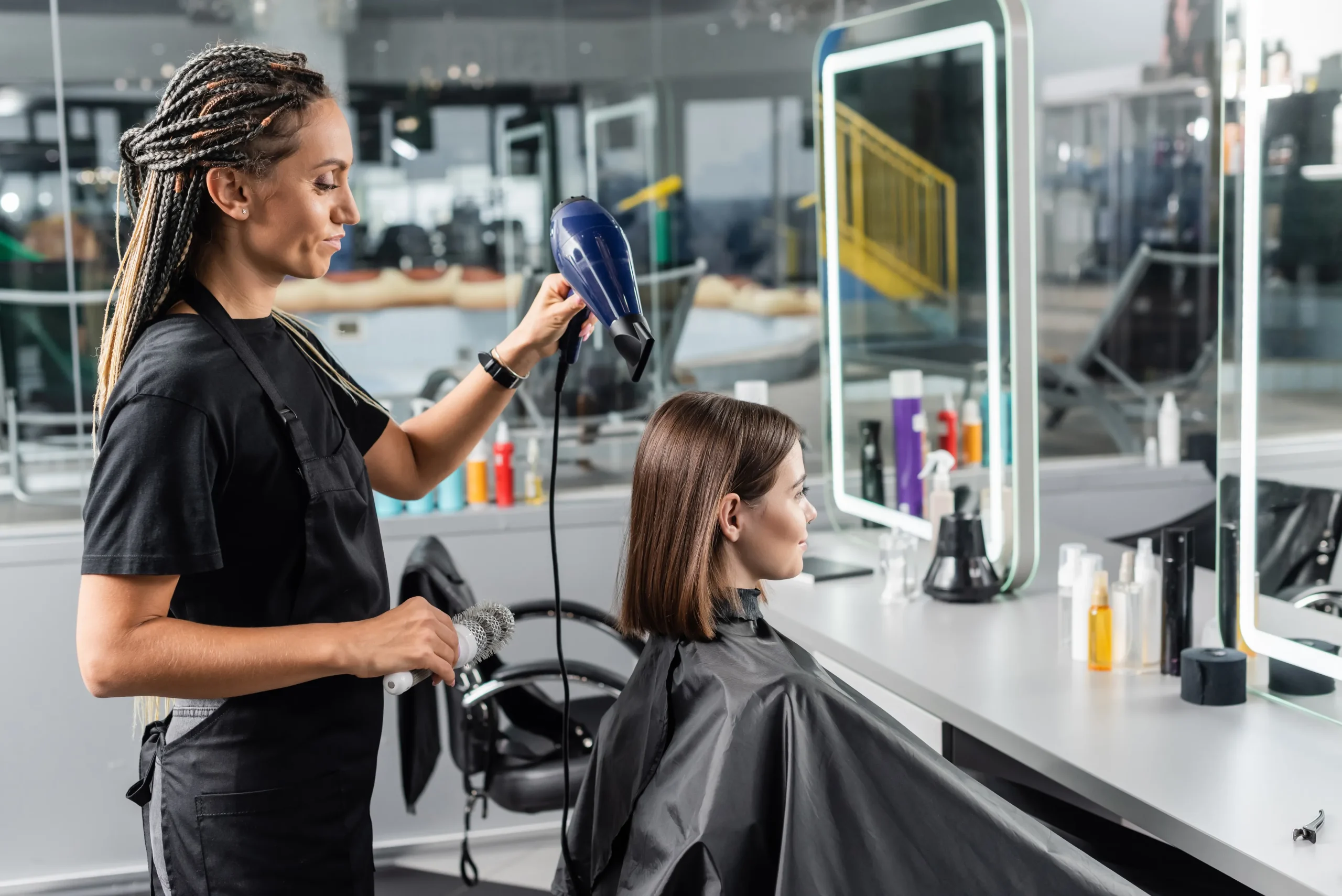
The beauty industry has always been a reflection of society’s standards and trends, with beauty shops serving as essential hubs for self-care and transformation. In recent years, the beauty shop landscape has evolved to encompass a wide range of services beyond traditional hair care, mirroring the diverse needs and preferences of today’s consumers. Interestingly, there is a unique connection between beauty shops and barber shops that goes beyond the surface level of aesthetics.
Key Points:
1. **Similar Principles, Diverse Offerings:**
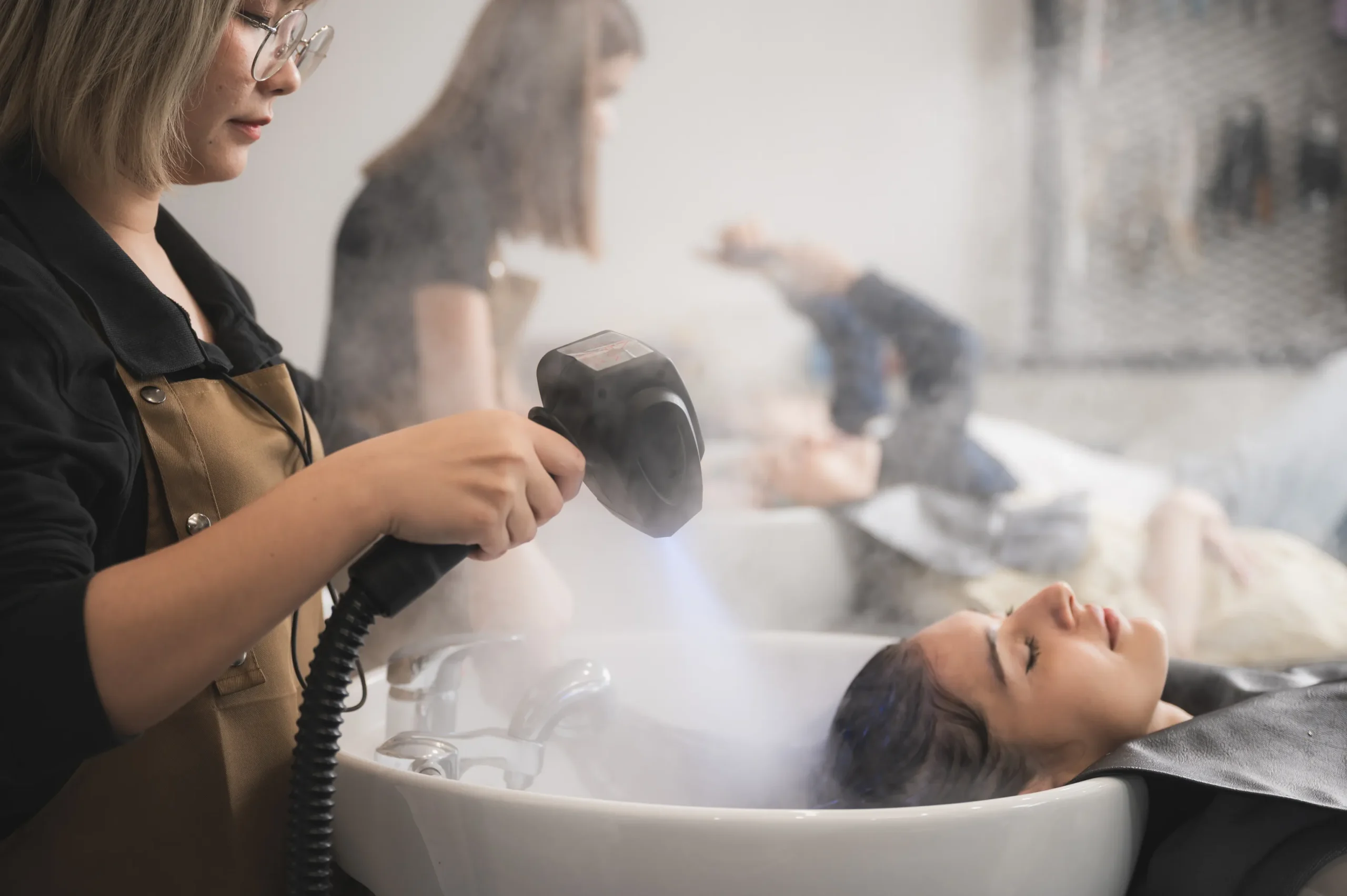
While barber shops have historically catered to men’s grooming needs, beauty shops have emerged as inclusive spaces offering services for individuals of all genders. Both establishments share core principles of enhancing personal style, boosting confidence, and fostering self-expression. However, beauty shops typically provide a broader range of services such as hair styling, coloring, facials, makeup application, and nail care, catering to a more diverse clientele seeking holistic beauty solutions.
Traditionally, barber shops have been associated with classic barbering techniques like haircuts, beard trims, and straight razor shaves, focusing on precision and skill. On the other hand, beauty shops often embrace trends, creativity, and innovation in their services, adapting to evolving fashion and beauty trends to meet the dynamic preferences of clients in the ever-changing beauty industry.
The convergence of beauty and barbering reflects a shift towards gender-neutral and inclusive beauty standards, where individuals are empowered to explore different looks and express their identity freely in a welcoming and supportive environment.
2. **Shared Focus on Client Experience:**
Both beauty and barber shops prioritize creating a positive and personalized client experience that goes beyond mere aesthetics. While barber shops are known for their traditional barbershop culture, characterized by camaraderie, conversations, and nostalgia, beauty shops offer a modern and luxurious ambiance that indulges clients in a sensory journey of relaxation and transformation.
Customer satisfaction is paramount in both settings, with skilled professionals in beauty and barber shops dedicated to understanding clients’ needs, preferences, and style goals. Whether it’s a classic hot towel shave in a traditional barber shop or a custom hair color transformation in a contemporary beauty salon, the focus remains on delivering exceptional service that exceeds client expectations and fosters long-lasting relationships.
By tailoring services to individual preferences, providing expert advice, and prioritizing client comfort and well-being, beauty and barber shops create immersive experiences that elevate the art of beauty and grooming to a higher level, resonating with a diverse clientele seeking quality and authenticity in their beauty rituals.
3. **Cultural Connections and Community Engagement:**
Beauty and barber shops are not just places of personal care but also cultural landmarks deeply rooted in communities. They serve as social hubs where people gather, connect, and share stories, creating a sense of belonging and camaraderie. The cultural significance of these establishments extends beyond physical appearances, embodying traditions, rituals, and memories that enrich the social fabric of neighborhoods and societies.
In many communities, beauty and barber shops play a vital role in supporting local artists, musicians, and entrepreneurs by showcasing their work, hosting events, or collaborating on creative projects. By bridging art, culture, and commerce, these establishments contribute to the vibrant tapestry of urban life, inspiring creativity, fostering diversity, and celebrating individuality.
Moreover, beauty and barber shops often serve as safe spaces for self-care, self-expression, and self-discovery, providing solace and empowerment to individuals seeking personal transformation or a moment of respite from the demands of everyday life. Through their inclusive and welcoming environments, beauty and barber shops cultivate a sense of community, acceptance, and empowerment, transcending mere aesthetics to embrace the beauty of individuality and diversity.
4. **Training, Innovation, and Industry Trends:**
Both beauty and barber shops undergo continuous evolution and innovation driven by changing consumer preferences, technological advancements, and industry trends. Professionals in both sectors are constantly upgrading their skills, techniques, and knowledge to stay abreast of the latest developments in beauty products, tools, and practices.
While barber shops may focus on mastering traditional barbering techniques and grooming trends, beauty shops explore avant-garde styling methods, cosmetic innovations, and skincare advancements to offer cutting-edge services that cater to a diverse clientele seeking personalized beauty experiences.
Training and education play a significant role in the success of beauty and barber professionals, with certification programs, workshops, and seminars enhancing their expertise and ensuring the delivery of high-quality services to clients. By staying attuned to emerging trends, cultural shifts, and technological breakthroughs, beauty and barber shops remain at the forefront of the beauty industry, setting new standards of excellence and creativity in beauty and grooming practices.
Conclusion:
In conclusion, the intertwining of beauty and barber shops represents a harmonious blend of tradition and innovation, heritage and modernity, inclusivity and creativity in the realm of personal care and beauty services. The connection between these establishments goes beyond mere aesthetics, reflecting a shared commitment to enhancing personal style, fostering self-expression, and creating memorable experiences for diverse clientele. By embracing cultural relevance, emotional depth, and authenticity, beauty and barber shops continue to resonate with individuals seeking not just beauty transformations but also moments of self-discovery, empowerment, and community connection. As pillars of the beauty industry, these establishments play a vital role in shaping beauty norms, fostering creativity, and celebrating individuality in a world where beauty is not just skin-deep but a reflection of inner confidence, diversity, and inclusivity.