Introduction:
Salons are not just places for haircuts and beauty treatments; they are living organisms that thrive on creativity, innovation, and human connection. The world of salon biology delves into the intricate ecosystem of salons, exploring how these spaces pulsate with energy, adapt to changing trends, and nurture a sense of community among clients and stylists alike.
Key Points:
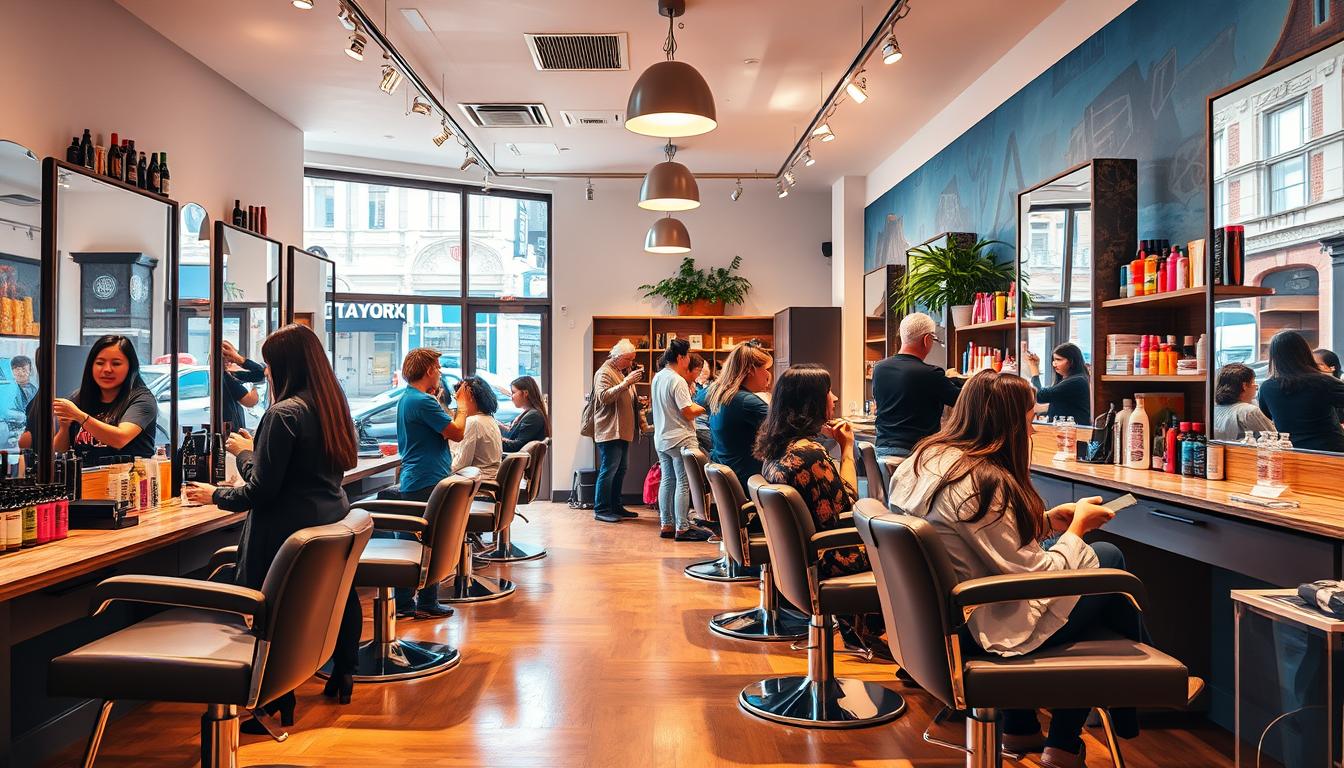
1. The Anatomy of Salon Spaces: Salons are more than physical locations; they are vibrant spaces where artistry and self-expression converge. The layout of a salon, from the arrangement of chairs to the placement of mirrors, plays a crucial role in shaping the client’s experience. The design elements, lighting, and decor all contribute to creating a welcoming ambiance that reflects the salon’s identity and sets the stage for transformation and rejuvenation. Salons breathe life into their spaces through the diverse personalities of stylists, the hum of hair dryers, the scent of hair products, and the laughter of clients sharing stories. Each salon has its unique DNA, influenced by its location, clientele, and the creative vision of its owners. Understanding the anatomy of salon spaces enables us to appreciate the interconnectedness of design, atmosphere, and client experience.
2. The Energetic Flow of Creativity: Creativity is the lifeblood of salons, flowing through the veins of stylists as they sculpt, color, and style hair with precision and artistry. The energetic exchange between stylist and client is palpable, as ideas are shared, visions are realized, and transformations unfold. In the realm of salon biology, creativity is not just a skill; it is a force that drives innovation and inspires new trends. The collaborative spirit of salons fosters a dynamic flow of creativity, where stylists draw inspiration from each other, from fashion trends, and from the unique personalities of their clients. This energetic exchange fuels the evolution of salon services, hair techniques, and beauty aesthetics, keeping the salon ecosystem fresh, exciting, and constantly evolving.
3. The Evolutionary Adaptation to Trends: Salons are constantly evolving organisms that adapt to the ever-changing landscape of beauty and fashion trends. From vintage-inspired retro looks to futuristic avant-garde styles, salons serve as incubators of creativity where trends are born, refined, and reimagined. Stylists act as evolutionary agents, pushing the boundaries of traditional beauty norms and embracing diversity and individuality. The ability of salons to adapt and innovate in response to emerging trends is a testament to their resilience and versatility. By staying attuned to cultural shifts, technological advancements, and societal changes, salons demonstrate their commitment to remaining relevant and inspiring, catering to a diverse clientele with varying tastes and preferences.
4. The Symbiotic Relationship Between Stylists and Clients: At the heart of salon biology lies the symbiotic relationship between stylists and clients, a bond built on trust, empathy, and a shared passion for beauty and self-care. Stylists serve as guides and confidants, listening attentively to clients’ desires, offering expert advice, and co-creating stunning looks that boost confidence and enhance self-expression. Clients, in turn, provide feedback, support, and loyalty, contributing to the salon’s growth and success. This symbiosis between stylists and clients forms the essence of the salon ecosystem, where connections are forged, stories are exchanged, and transformations unfold. The emotional depth of these relationships enriches the salon experience, fostering a sense of belonging, empowerment, and joy that transcends mere aesthetics.
5. The Regenerative Cycle of Inspiration: Salon biology thrives on the regenerative cycle of inspiration, where ideas, trends, and creativity circulate within the salon ecosystem, nourishing growth and sparking innovation. Stylists draw inspiration from diverse sources, from nature’s color palette to urban street style, infusing their work with freshness and originality. Clients, in turn, inspire stylists with their unique personalities, preferences, and life experiences, fueling a creative dialogue that rejuvenates the salon atmosphere. This cycle of inspiration creates a dynamic energy within salons, where creativity begets more creativity, and individual visions coalesce into collective artistry. By embracing this regenerative process, salons continue to reinvent themselves, staying relevant, exciting, and inspiring in a fast-paced world driven by change and transformation.
Conclusion:
In conclusion, salon biology illuminates the interconnectedness of creativity, design, innovation, and human connection within the dynamic ecosystem of salons. By exploring the anatomy of salon spaces, understanding the flow of creativity, adapting to trends, nurturing symbiotic relationships, and embracing the cycle of inspiration, we gain a deeper appreciation for the vitality and resilience of salon environments. Just as biological organisms evolve, adapt, and thrive in their ecosystems, salons flourish as living entities that embody artistry, community, and the transformative power of beauty.