






Introduction
Small businesses, including salons, are constantly looking for ways to streamline their operations and improve efficiency. With the advancements in technology, salon software has become an essential tool for small business owners to manage their day-to-day operations, customer appointments, and track their business performance. This article aims to provide a comprehensive guide to small business salon software, its key features, benefits, and how it can help salon owners run their business more efficiently.
Key Points
1. What is Small Business Salon Software?
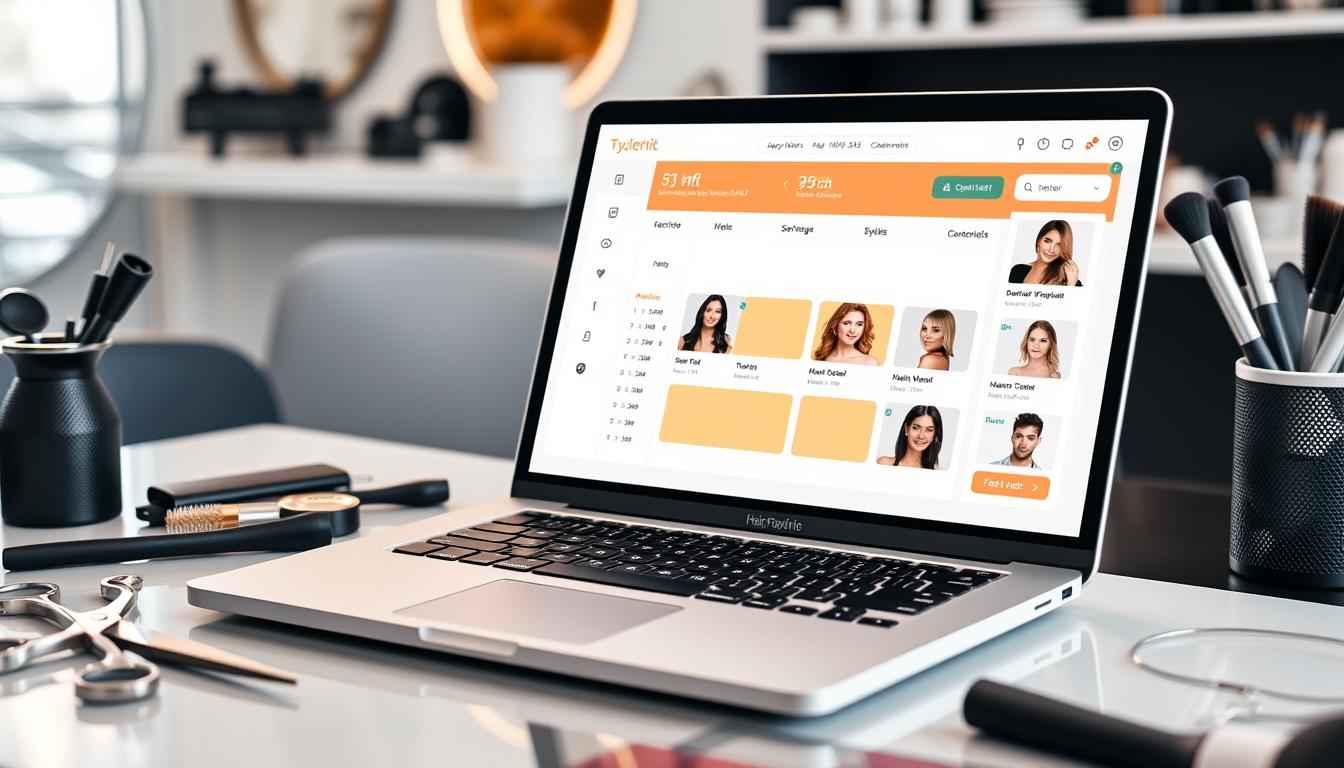
Small business salon software is a digital solution designed specifically for salons and salons to manage their business operations. It typically includes features such as appointment scheduling, client management, inventory management, point of sale, and reporting. This software helps salon owners automate their business processes, save time, and provide better customer service.
2. Benefits of Small Business Salon Software
a) Efficient Appointment Scheduling:
One of the key benefits of salon software is its appointment scheduling feature. This feature allows salon owners to manage their appointments efficiently, reduce no-shows, and avoid double bookings. With the ability to set up recurring appointments and send automated reminders to clients, salon owners can save time and focus on other aspects of their business.
b) Client Management:
Small business salon software also includes a client management feature that helps salon owners keep track of their customers’ information such as contact details, appointment history, and preferences. This feature allows salon owners to provide personalized services to their clients and build strong customer relationships.
c) Inventory Management:
Inventory management is another important feature of salon software. It enables salon owners to keep track of their product inventory, set up low stock alerts, and even automate product orders. This helps salon owners avoid stock shortages and save money by only ordering the necessary products.
d) Point of Sale:
Most salon software also includes a point of sale (POS) feature that allows salon owners to manage their sales transactions. This feature helps salon owners streamline their checkout process, accept various payment methods, and track their sales in real-time.
e) Reporting:
Salon software also offers reporting capabilities that provide valuable insights into the business’s performance. Salon owners can generate reports on sales, inventory, and customer data, helping them make informed decisions to improve their business operations.
3. Types of Small Business Salon Software
a) On-Premise Software:
On-premise salon software is installed and run on a local computer or server. This type of software provides complete control over data and customization options. However, it requires a one-time purchase and ongoing maintenance costs.
b) Cloud-Based Software:
Cloud-based salon software is hosted on the internet, and users can access it through a web browser or mobile device. This type of software is usually offered as a subscription service, and users can access it from anywhere with an internet connection. Cloud-based software also offers regular updates and backups, making it a more convenient option for small business owners.
c) Hybrid Software:
Hybrid salon software combines the features of both on-premise and cloud-based software. This type of software allows salon owners to access their data both online and offline, providing more flexibility.
4. How to Choose the Right Salon Software for Your Small Business
a) Identify Your Business Needs:
The first step in choosing the right salon software is to identify your business needs. Make a list of the features that are essential for your business, such as appointment scheduling, inventory management, or reporting.
b) Consider Your Budget:
Salon software comes at different price points, and it’s essential to consider your budget before making a decision. While on-premise software may require a significant upfront investment, cloud-based software offers a more affordable subscription-based model.
c) User-Friendly Interface:
The software’s user interface is crucial as it can affect how efficiently you can use the software. Look for a software with a clean and intuitive interface that is easy to navigate.
d) Mobile Accessibility:
With the increasing use of mobile devices, it’s essential to choose a software that offers mobile accessibility. This will allow you to manage your business from anywhere, at any time.
e) Customer Support:
Make sure to choose a software provider that offers reliable customer support. This will ensure that you have assistance when you encounter any issues with the software.
Conclusion
In conclusion, small business salon software is a valuable tool for salon owners to manage their business operations efficiently. By automating tasks, streamlining processes, and providing valuable insights, salon software can help salon owners save time, reduce costs, and provide better services to their clients. When choosing a salon software, consider your business needs, budget, and look for user-friendly and mobile-accessible options. With the right salon software, small business owners can take their salon to the next level and achieve success.