Introduction:
In the ever-evolving landscape of haircare and grooming services, barber shops play a vital role in not just providing haircuts but also serving as community hubs where relationships are forged and stories shared. As the demand for efficient management solutions grows, barber shop owners are turning to stylist software to enhance their operations and deliver top-notch services to their clients.
Key Points:
1. Streamlined Appointment Booking Process:
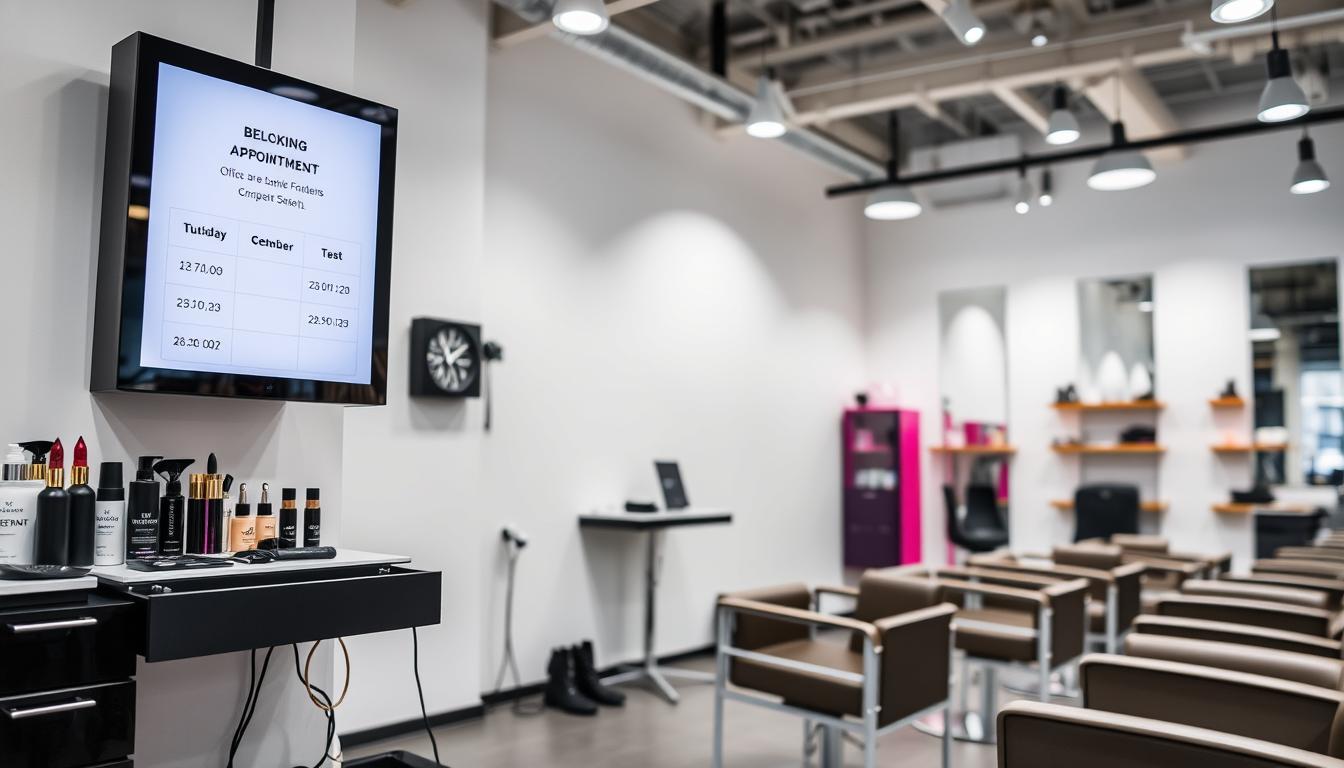
Stylist software simplifies the appointment scheduling process for both barbers and clients. By offering online booking options, customers can conveniently select their preferred time slots without the hassle of lengthy phone calls. This feature minimizes waiting times, reduces errors in appointment scheduling, and optimizes workflow efficiency for the barber shop.
Additionally, stylist software can send automated appointment reminders to clients, reducing no-shows and ensuring a steady flow of appointments throughout the day. This not only benefits the barbershop by maximizing their time but also enhances the customer experience through clear communication and reliability in service delivery.
2. Enhanced Client Management and Communication:
Effective client management is key to building long-lasting relationships in the barber shop industry. Stylist software stores client information securely, allowing barbers to access details of previous appointments, style preferences, and product recommendations. By personalizing each client’s experience, barbers can create a more engaging and tailored service that keeps clients coming back for more.
Moreover, stylist software enables seamless communication with clients through personalized messages, promotional offers, and feedback requests. Barbers can send follow-up emails or SMS notifications to show appreciation for clients’ loyalty, gather testimonials for social proof, and inform them about special discounts or new services. This level of communication fosters trust and loyalty among clients, strengthening the barber shop’s reputation in the community.
3. Inventory Tracking and Management:
Maintaining an up-to-date inventory is crucial for the smooth operation of any barber shop. Stylist software provides real-time insights into product stock levels, helping owners track supply usage, reorder items in a timely manner, and prevent stockouts. By automating inventory management tasks, barbers can focus more on delivering exceptional services to clients without worrying about running out of essential products or tools.
Furthermore, stylist software can generate reports on product consumption trends, popular items, and seasonal demands, enabling barbershops to make informed decisions about their inventory strategy. This data-driven approach optimizes stock levels, minimizes wastage, and ensures that the shop is well-equipped to meet the diverse needs of its clientele.
4. Performance Tracking and Analytics:
Monitoring the performance of individual barbers and overall business metrics is made efficient with stylist software. Barbershop owners can track key performance indicators such as service completion times, client retention rates, and sales figures to assess the business’s growth and identify areas for improvement. By analyzing these data points, owners can make strategic decisions to enhance the shop’s profitability and service quality.
Moreover, stylist software can generate comprehensive reports on employee productivity, customer satisfaction levels, and revenue trends, providing valuable insights for performance reviews and incentive programs. This data-driven approach fosters a culture of accountability and excellence among barbers, driving them to deliver exceptional service and achieve personal as well as professional growth.
5. Financial Management and Reporting:
Efficient financial management is the cornerstone of a successful barber shop business. Stylist software offers robust features for tracking revenue, expenses, and profit margins, allowing owners to gain a clear picture of their financial health. By generating detailed financial reports, barbershop owners can make informed decisions regarding pricing strategies, cost optimizations, and revenue diversification initiatives.
Additionally, stylist software can automate billing processes, invoice generation, and tax calculations, streamlining administrative tasks and reducing paperwork errors. This automation not only saves time and resources but also ensures compliance with financial regulations and standards, mitigating risks and enhancing financial transparency within the barber shop.
Conclusion:
In conclusion, stylist software serves as a transformative tool for modernizing barber shop operations and elevating the overall client experience. By streamlining appointment bookings, enhancing client management, optimizing inventory tracking, empowering performance analytics, and facilitating financial management, this software empowers barbers to deliver exceptional services efficiently. Embracing stylist software is not just a business decision but a commitment to excellence and innovation in the dynamic world of barbering, setting the stage for continued growth and success in the industry.