






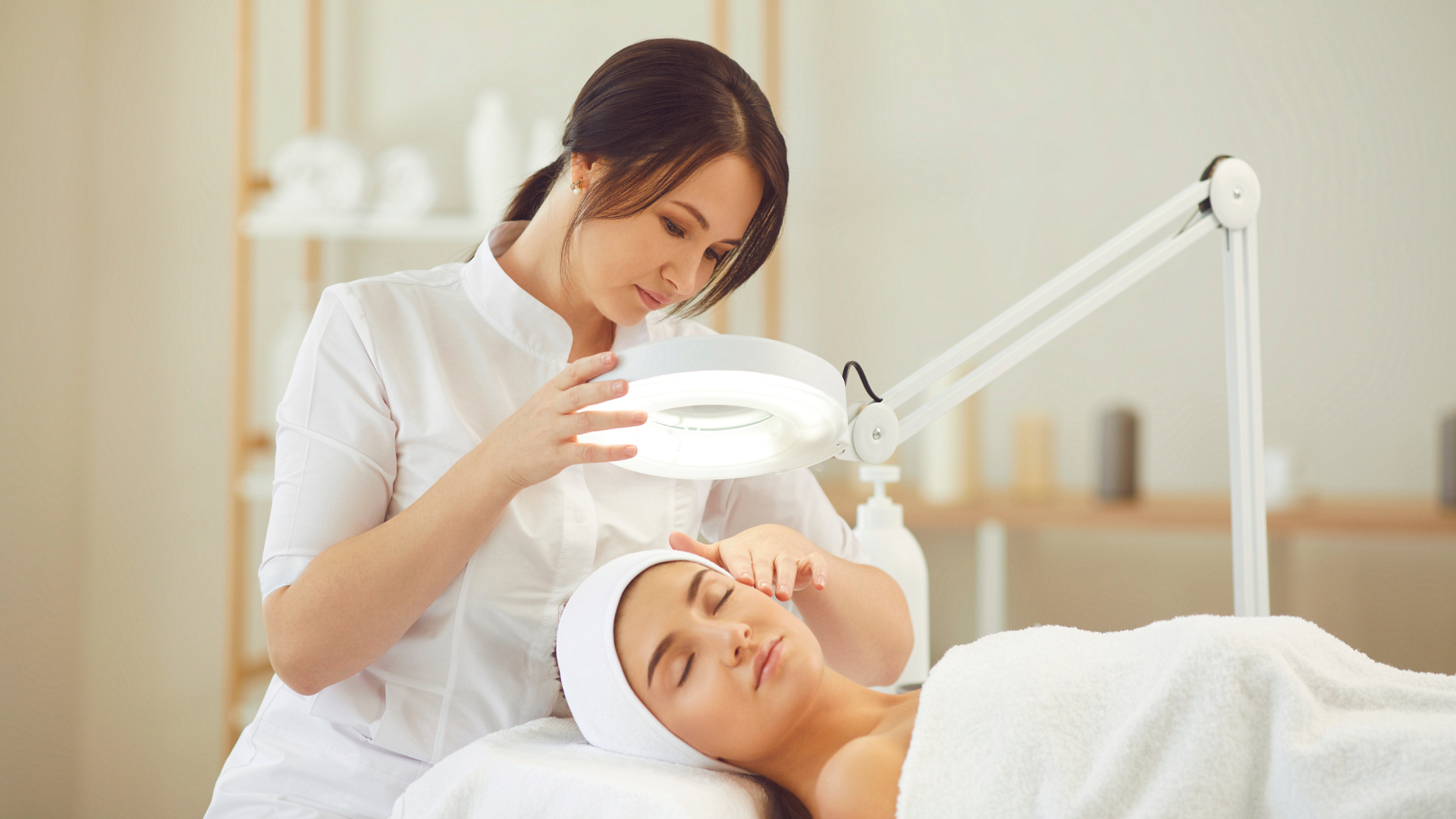
The Ultimate Blueprint: Building a Profitable and Serene Spa Business from the Ground Up
Embarking on the journey to own a spa is an exciting venture that blends passion for wellness with entrepreneurial ambition. The global wellness industry is booming, and a well-executed spa can become a sanctuary for clients and a lucrative business for you. However, the path from concept to grand opening—and beyond—requires meticulous planning, industry knowledge, and a clear strategic vision. This comprehensive guide is designed for aspiring and current spa, clinic, salon, and wellness business owners, providing the essential steps, insights, and strategies to build, manage, and grow a successful spa enterprise.
Laying the Foundation: Your Pre-Opening Checklist
Before you welcome your first client, a significant amount of groundwork is essential. Rushing this phase can lead to costly mistakes. A solid foundation is built on research, planning, and legal due diligence.
1. Define Your Spa Concept and Niche
The spa market is diverse. To stand out, you must define what makes your business unique. Your concept will influence everything from your location to your service menu.
- Day Spa vs. Destination Spa: A day spa caters to clients seeking treatments within a few hours, while a destination spa offers immersive, often multi-day, wellness experiences.
- Medical Spa: Focuses on cosmetic and wellness treatments performed under the supervision of a licensed healthcare professional (e.g., laser hair removal, injectables).
- Wellness Retreat: Combines spa services with fitness, nutrition, and mindfulness programs.
- Specialized Niche: Consider focusing on a specific demographic (e.g., men’s grooming, prenatal care) or modality (e.g., hydrotherapy, Ayurveda).
Your concept should align with your target market’s desires and your own expertise and passion.
2. Conduct In-Depth Market Research
Understanding your local market is non-negotiable. You need to know who your potential clients are and what your competition looks like.
- Demographic Analysis: What is the average income, age, and lifestyle of your target area?
- Competitive Analysis: Identify direct and indirect competitors. Analyze their services, pricing, marketing strategies, and online reviews. What are they doing well? Where are the gaps in the market?
- Location Scouting: Choose a location with high visibility, easy access, and alignment with your target demographic. A medical spa might thrive in a professional district, while a luxury day spa would suit an upscale shopping area.
3. Create a Robust Business Plan
Your business plan is your roadmap to success. It’s essential for securing funding and guiding your decisions. A comprehensive plan should include:
- Executive Summary: A concise overview of your entire business.
- Company Description: Your mission, vision, legal structure (LLC, S-Corp, etc.), and unique value proposition.
- Market Analysis: The findings from your research.
- Organization and Management: Your organizational chart and the biographies of your key team members.
- Services and Products: A detailed list of your offerings and retail products.
- Marketing and Sales Strategy: How you plan to attract and retain clients.
- Financial Projections: A detailed breakdown of startup costs, operating expenses, and revenue forecasts for at least the first three to five years.
4. Navigate Legal and Regulatory Requirements
The spa industry is heavily regulated to ensure client safety. Failing to comply can result in fines or closure.
- Business Licenses and Permits: Obtain a general business license from your city or county.
- Health Department Permits: Spas are subject to health inspections. Ensure your facility meets all sanitation and safety standards.
- Professional Licenses: All therapists, estheticians, and technicians must hold current, state-specific licenses.
- Insurance: Secure comprehensive insurance, including general liability, professional liability (malpractice), and property insurance.
- Zoning Laws: Confirm that your chosen location is zoned for a spa business.
Crafting the Client Experience: Design, Services, and Team
The heart of a successful spa is the experience it provides. From the moment a client walks in, every detail should contribute to a sense of tranquility and professional care.
1. Designing a Serene and Functional Space
Your spa’s design is a powerful marketing tool. It should reflect your brand and promote relaxation.
- Ambiance: Use a calming color palette, soft lighting, and soothing music or soundscapes.
- Layout: Ensure a logical flow from the reception area to changing rooms, treatment rooms, and relaxation lounges. Privacy and noise control are paramount.
- Functionality: Invest in high-quality, durable equipment and furnishings. Treatment rooms need proper plumbing, ventilation, and storage.
- Scent Marketing: A signature, subtle scent can enhance the brand experience and make it memorable.
2. Developing a Profitable Service Menu
Your services are your primary revenue drivers. Your menu should be enticing, easy to understand, and strategically priced.
- Core Services: Build your menu around foundational treatments like facials, massages, and body wraps.
- Signature Treatments: Create unique, proprietary treatments that can’t be found elsewhere, making your spa a destination.
- Packages and Memberships: Bundle services into packages (e.g., “Bridal Bliss Package”) or offer membership programs to encourage repeat business and secure recurring revenue.
- Pricing Strategy: Price your services competitively based on your market, location, and overhead. Don’t undervalue your expertise.
3. Building an All-Star Team
Your staff is the face of your business. Hiring skilled, passionate, and personable professionals is critical.
- Hiring: Look for candidates with not only the right qualifications but also a genuine passion for wellness and customer service.
- Training and Development: Implement a thorough onboarding process. Provide ongoing training on new techniques, products, and customer service standards.
- Creating a Positive Culture: Foster a supportive and collaborative work environment. Happy employees lead to happy clients. Consider incentive programs and clear paths for career advancement.
Mastering the Business of Wellness: Operations and Marketing
Beyond the tranquil facade, a spa is a complex business that requires sharp operational and marketing acumen to thrive.
1. Implementing Efficient Operations
Smooth operations are the backbone of profitability and client satisfaction.
- Spa Management Software: Invest in a robust software system to handle appointments, client records, point-of-sale, inventory, marketing, and payroll. This streamlines operations and provides valuable data.
- Inventory Management: Keep careful track of retail and back-bar product inventory to avoid overstocking or running out of key items.
- Financial Management: Monitor your key performance indicators (KPIs) daily and weekly. These include revenue per service, retail sales ratio, average ticket price, and client retention rate.
2. Crafting a Powerful Marketing Strategy
You can have the best spa in the world, but without effective marketing, no one will know it exists.
Building Your Digital Presence
- Professional Website: Your website is your digital storefront. It must be visually appealing, mobile-friendly, and optimized for local SEO (Search Engine Optimization). Include an online booking system.
- Social Media Marketing: Use platforms like Instagram and Facebook to showcase your beautiful space, highlight treatments, share client testimonials, and build a community.
- Email Marketing: Build an email list and use it to nurture relationships, announce promotions, and remind clients to rebook.
Local and Community Marketing
- Grand Opening Event: Generate buzz with a well-publicized opening event offering tours, mini-treatments, and special discounts.
- Partnerships: Collaborate with local hotels, wedding planners, gyms, and corporate offices for cross-promotional opportunities.
- Loyalty Programs: Reward repeat clients with a points-based system or a punch card to encourage loyalty.
Sustaining Success: Growth and Future-Proofing Your Spa
Opening the doors is just the beginning. Long-term success requires a commitment to innovation, client retention, and strategic growth.
1. Prioritizing Client Retention
Acquiring a new client is far more expensive than retaining an existing one. A loyal client base provides stable revenue and invaluable word-of-mouth marketing.
- Exceptional Service: Consistently deliver a five-star experience. Remember client preferences and follow up after their visits.
- Loyalty and Referral Programs: Formalize your efforts to reward clients who keep coming back and those who refer new business to you.
- Gather and Act on Feedback: Use surveys and online reviews to understand what you’re doing well and where you can improve. Respond to all reviews, both positive and negative, professionally.
2. Exploring Avenues for Growth
Once your core business is stable, consider how you can expand your revenue streams.
- Retail Expansion: Curate a selection of high-quality skincare, wellness, and lifestyle products for clients to use at home. This can significantly boost your average ticket price.
- Adding New Services: Stay on top of industry trends and consider adding popular new treatments like CBD-infused services, non-invasive body contouring, or advanced skin tech.
- Online Sales: If you have a strong retail component, consider launching an e-commerce site to sell your products beyond your local market.
3. Embracing Industry Trends and Innovation
The wellness industry is constantly evolving. Staying relevant means being open to change and innovation.
- Technology Integration: Explore VR meditation sessions, AI-powered skin analysis, or app-based wellness tracking to enhance the client experience.
- Sustainability: The demand for eco-conscious businesses is growing. Implement green practices like using organic products, reducing water waste, and utilizing energy-efficient lighting.
- Holistic Wellness: Clients are increasingly seeking a mind-body-spirit connection. Consider integrating wellness coaching, nutritional counseling, or mindfulness workshops into your offerings.
Conclusion: Your Journey to Spa Ownership Awaits
Owning a spa is a rewarding endeavor that allows you to make a tangible, positive impact on people’s lives while building a sustainable business. The path requires dedication, from the initial spark of an idea through the daily operations of a thriving enterprise. By following this blueprint—focusing on a solid foundation, an unparalleled client experience, savvy business operations, and a forward-thinking growth strategy—you are well-equipped to create not just a spa, but a beloved community wellness destination. Your journey to building a serene and profitable sanctuary starts now.