






Introduction:
In the competitive world of grooming and personal care, the battle between traditional barbershops and modern, sleek barbershops continues to evolve. Each type of establishment offers a unique experience, catering to diverse clientele with varying preferences and styles. Understanding the differences between these two worlds can shed light on the changing landscape of the grooming industry and how consumer demands are shaping the future of barbering.
Key Points:
1. **Atmosphere and Ambiance**
Traditional barbershops are synonymous with a sense of nostalgia and old-school charm. The vintage décor, classic barber chairs, and the smell of shaving cream evoke a sense of tradition and familiarity. In contrast, modern barbershops pride themselves on sleek, contemporary designs, trendy aesthetics, and a more upscale atmosphere. The focus is on creating a luxurious experience for clients, with stylish interiors and a trendy vibe that appeals to a younger audience.
The atmosphere plays a crucial role in shaping the overall grooming experience, with traditional barbershops offering a sense of community and camaraderie, while modern barbershops strive to provide a premium, experiential service that caters to the lifestyle and preferences of the modern man.
2. **Services Offered**
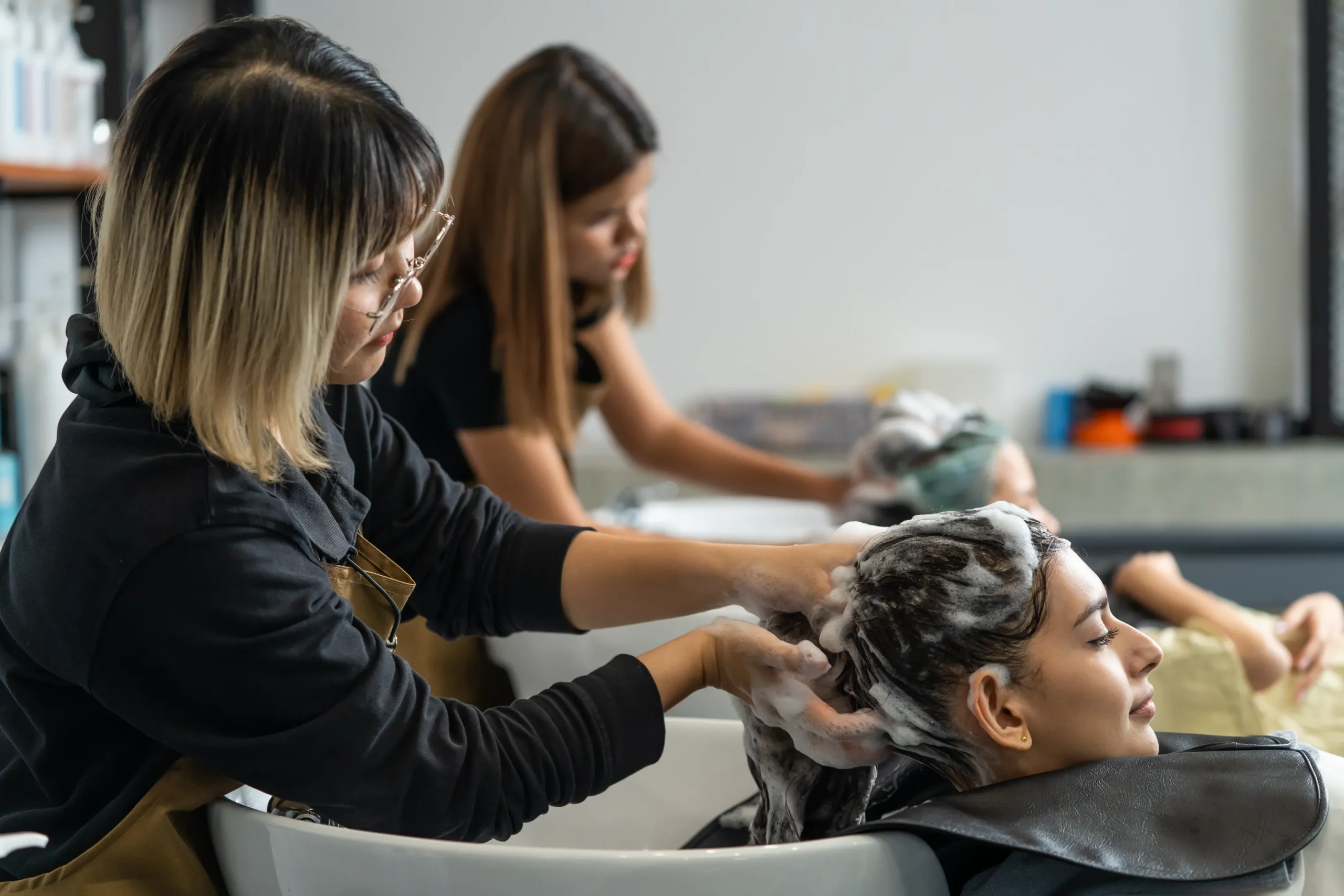
Traditional barbershops typically provide a range of basic grooming services, including haircuts, beard trims, and hot towel shaves. The emphasis is on quality service, with barbers who have honed their craft over years of experience. In contrast, modern barbershops offer a broader range of services, often including specialized treatments such as facials, massages, and hair coloring. These establishments cater to clients looking for a more comprehensive grooming experience, with a focus on luxury and personalized care.
The variety of services offered in modern barbershops reflects the growing demand for premium grooming experiences that go beyond the traditional haircut. Clients can choose from a menu of services tailored to their individual needs and preferences, enhancing the overall grooming experience and creating a sense of self-care and indulgence.
3. **Technology Integration**
Modern barbershops leverage technology to enhance the customer experience and streamline operations. Online appointment booking systems, digital payment options, and personalized grooming recommendations are some of the features that set modern barbershops apart from their traditional counterparts. Clients can book appointments conveniently through mobile apps, access their grooming history, and receive tailored recommendations based on their preferences and past services.
On the other hand, traditional barbershops rely on personal interactions and word-of-mouth referrals to attract and retain customers. While some may view technology as impersonal, others appreciate the convenience and efficiency it brings to the grooming process. The integration of technology in modern barbershops reflects a shift towards a more customer-centric approach that prioritizes convenience, personalization, and innovation.
Conclusion:
The evolution of barbershops from traditional to modern reflects the changing preferences and expectations of today’s consumers. While traditional barbershops offer a sense of nostalgia and community, modern barbershops provide a luxurious, personalized grooming experience that caters to the lifestyle and preferences of the modern man. Understanding the differences between these two worlds is essential for barbershop owners and clients alike, as it shapes the future of the grooming industry and drives innovation in service delivery and customer experience. Whichever style of barbershop you prefer, the key takeaway is that both traditional and modern barbershops play a vital role in the grooming industry, offering unique experiences that cater to diverse clientele and celebrate the art of male grooming.
