






Introduction:
When it comes to hair care and grooming services, two primary professionals often come to mind: barbers and hair stylists. While both play essential roles in helping clients look and feel their best, there are key differences between the two that set them apart in terms of skills, services, and the overall experience they provide. Understanding these distinctions can help individuals make informed decisions about where to seek hair care services based on their specific needs and preferences.
Key Points:
1. **Training and Specialization:** Barbers and hair stylists undergo distinct training programs that focus on different skill sets. Barbers typically specialize in cutting men’s hair and grooming facial hair. To become a licensed barber, individuals must complete a barbering program that covers techniques such as fades, razor cuts, and beard trims. On the other hand, hair stylists are trained in a broader range of services, including cutting, coloring, and styling both men’s and women’s hair. They often work with a diverse clientele and are skilled in creating various looks to suit individual preferences. Barbers are also trained in the art of shaving, offering straight razor shaves and facial treatments that provide a luxurious grooming experience for male clients.
While barbers focus on classic techniques and traditional men’s grooming services, hair stylists are equipped to handle a wider array of hair types, textures, and styles, catering to clients seeking trendier cuts, intricate color treatments, and elaborate updos for special occasions.
Overall, the training and specialization of barbers and hair stylists shape the services they offer and the expertise they bring to their respective fields, attracting clients with specific needs and preferences.
2. **Services Offered:** Barbershops typically provide services that revolve around men’s grooming needs, with a focus on classic cuts, beard trims, and facial hair maintenance. The ambiance of a barber shop often exudes a masculine charm, with vintage decor and a welcoming atmosphere that caters to male clientele seeking a traditional grooming experience. In contrast, hair salons staffed by hair stylists offer a broader range of services that cater to both men and women. From precision haircuts and creative coloring to intricate styling and hair treatments, hair stylists work with clients to achieve their desired look and maintain the health of their hair.
Hair stylists are also adept at providing consultations and personalized recommendations based on clients’ hair type, face shape, and lifestyle preferences. This personalized approach ensures that clients receive customized services that enhance their natural features and reflect their individual style.
The services offered by barbers and hair stylists cater to different demographics and preferences, allowing clients to choose based on the type of service experience they seek and the specific hair care needs they have.
3. **Clientele and Atmosphere:** Barber shops and hair salons often cultivate distinct atmospheres that cater to different clienteles. Barbershops are known for their laid-back, community-oriented environments, where clients can relax in the company of fellow patrons and engage in friendly banter with their barber. The sense of camaraderie and familiarity in barber shops creates a sense of belonging and continuity, making each visit a social experience. Hair salons, on the other hand, tend to offer a more modern and stylish setting that appeals to clients looking for a trendy and fashion-forward approach to hair care. The atmosphere in a hair salon is often vibrant and dynamic, reflecting the latest trends in hair and beauty. Clients visiting a hair salon can expect a high-energy environment where creativity and innovation thrive, making each visit an opportunity for transformation and self-expression. The clientele of barbers and hair stylists may vary based on factors such as location, services offered, and demographic trends. Understanding the unique atmosphere and clientele of each establishment can help clients choose a hair care provider that aligns with their comfort level and style preferences.
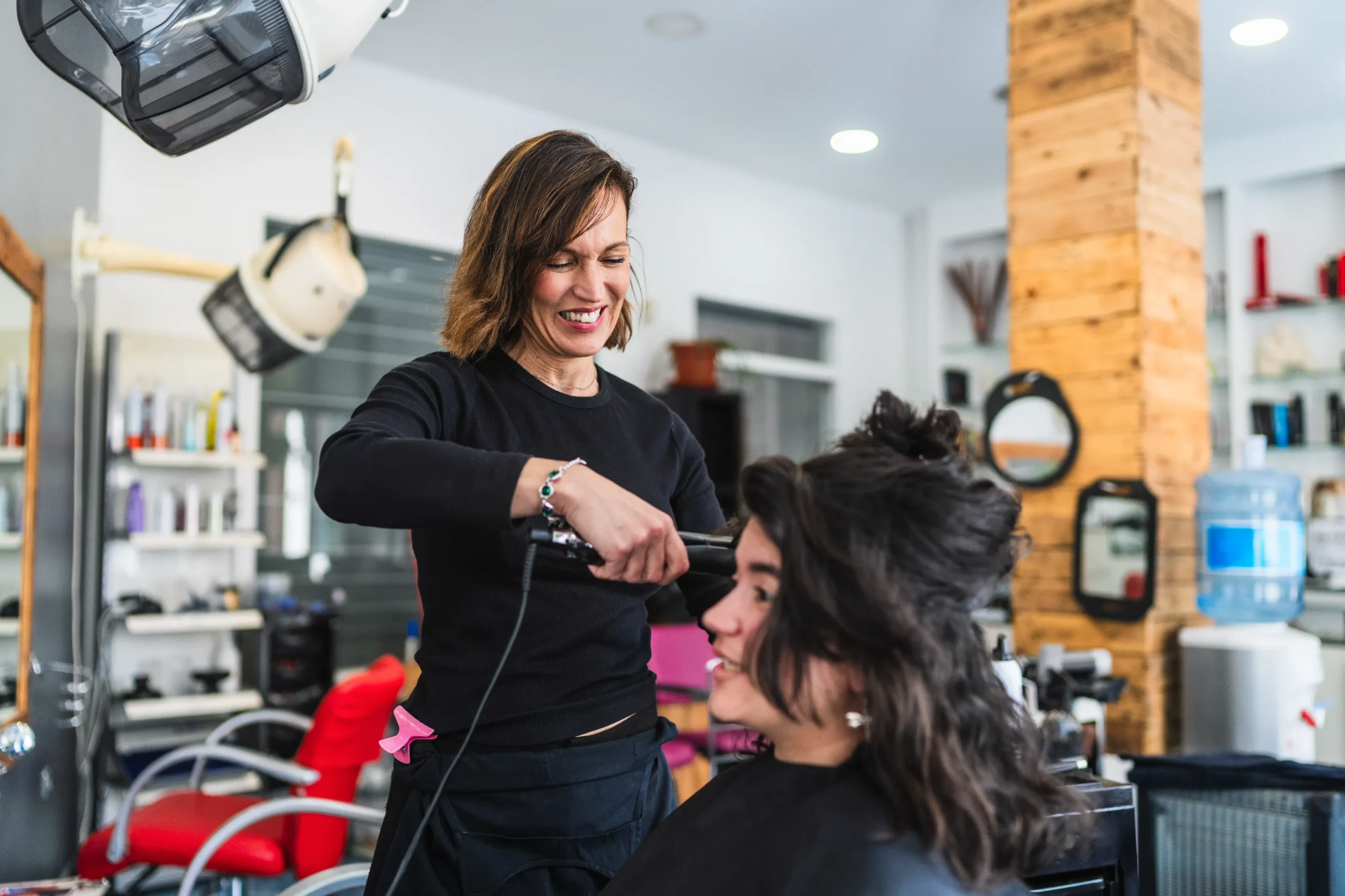
4. **Tools and Techniques:** Barbers and hair stylists use distinct tools and techniques tailored to the services they provide. Barbers rely on classic grooming tools such as clippers, shears, and straight razors to deliver precise cuts and shaves. The art of barbering emphasizes attention to detail and mastery of traditional techniques that have been passed down through generations, creating a timeless appeal that resonates with clients seeking a nostalgic grooming experience. Hair stylists, on the other hand, utilize a wide range of styling tools and products to create versatile looks that cater to individual preferences and trends. From curling irons and flat irons to professional hair color and styling products, hair stylists are equipped with an array of tools that enable them to transform and enhance their clients’ hair in innovative ways. The tools and techniques employed by barbers and hair stylists reflect the distinctive approaches each profession takes to hair care and grooming, showcasing a blend of tradition, creativity, and technical skill that defines their craft.
Conclusion:
In conclusion, the differences between barbers and hair stylists extend beyond the services they offer to encompass their training, specialization, clientele, atmosphere, tools, and techniques. While barbers focus on classic men’s grooming services with a traditional touch, hair stylists cater to a diverse clientele seeking a range of cutting-edge styles and treatments. Understanding these distinctions can help individuals choose the hair care provider that best aligns with their preferences, whether they are looking for a timeless grooming experience at a barber shop or seeking a modern and creative approach to hair care at a hair salon. Embracing the unique qualities of barbers and hair stylists can lead to a hair care experience that is tailored, personalized, and ultimately satisfying for clients seeking exceptional service and style.
