






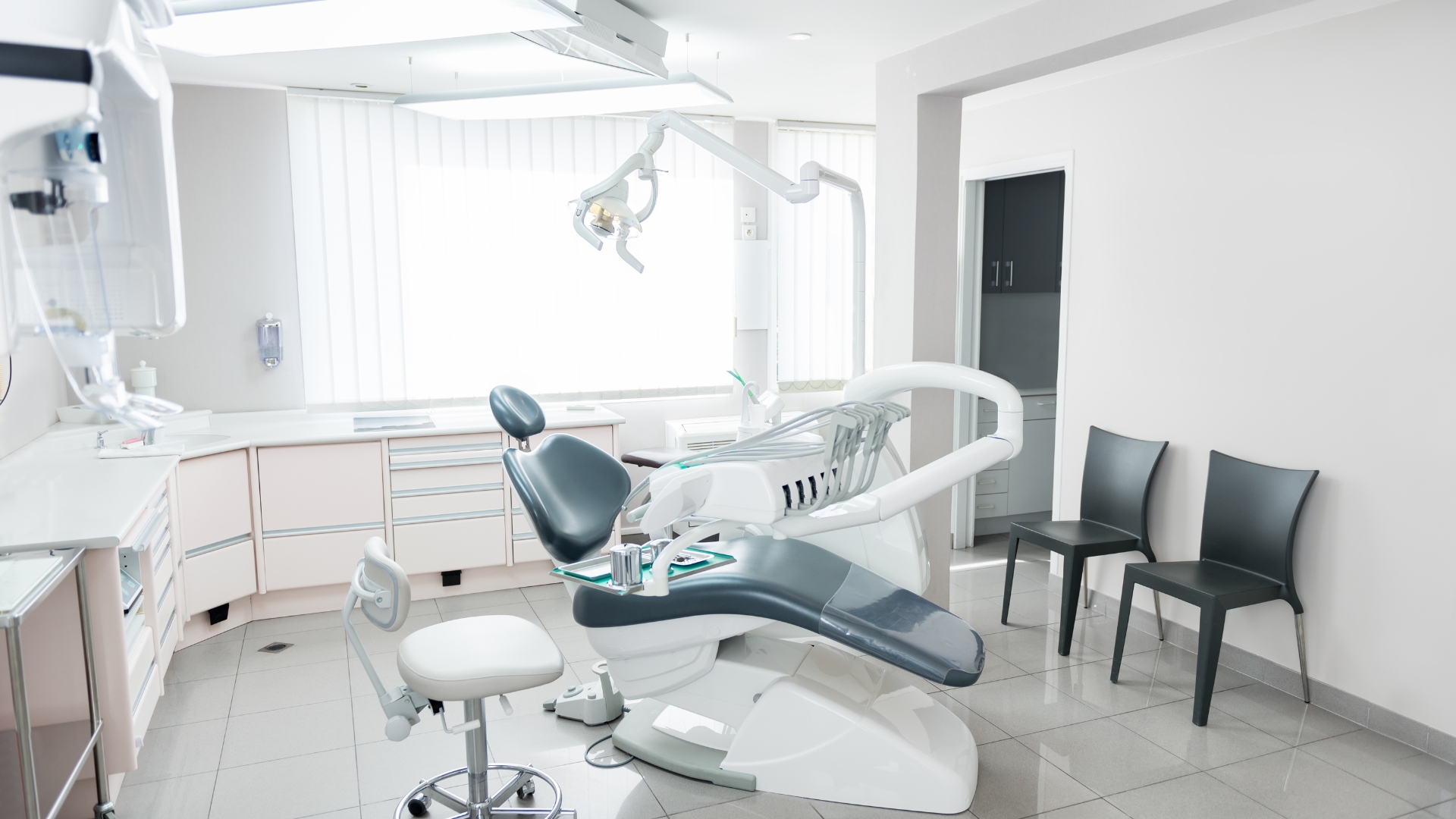
In the dynamic world of wellness and beauty, operational efficiency is the key to success for clinics, spas, and salons. Physicians, massage therapists, cosmetic injectors, and support staff juggle demanding schedules, client expectations, and administrative tasks. Streamlining operations ensures these businesses run smoothly, delivering exceptional service while maximizing resources. This article explores innovative strategies for 2025 to optimize workflows, reduce inefficiencies, and boost client satisfaction, leveraging technology and data to drive growth.
Why Streamlining Operations Matters
Efficient operations are the foundation of a thriving practice. By minimizing time-consuming tasks, optimizing resources, and enhancing client interactions, clinics, spas, and salons can focus on what they do best: providing transformative services. The benefits of streamlined operations include:
- Time Efficiency: Automation reduces manual tasks, freeing staff for client care.
- Cost Savings: Optimized processes cut waste and overhead expenses.
- Improved Client Experience: Seamless operations create professional, hassle-free visits.
- Scalable Growth: Efficient systems support expansion without operational chaos.
- Increased Profitability: Streamlined workflows boost revenue by maximizing capacity.
Innovative Strategies for Operational Efficiency
1. Embrace Online Booking Systems
Manual appointment scheduling leads to errors, double bookings, and wasted time. An online booking system, integrated with a CRM like ClinicSoftware.com, allows clients to schedule, modify, or cancel appointments 24/7. Real-time calendar updates prevent conflicts, and automated reminders via SMS or email reduce no-shows. For example, a clinic can enable patients to book physician consultations online, while a salon allows clients to reserve styling slots instantly.
Impact: Online booking saves 12–18 hours weekly and cuts no-shows by up to 30%, increasing appointment capacity.
2. Transition to Digital Documentation
Paper-based forms, such as client intake or consent documents, slow down operations and risk loss or errors. Digital forms, accessible via tablets or client portals, streamline data collection. A spa can have clients complete pre-visit questionnaires online, while a clinic stores patient histories in a secure CRM. This reduces filing time and enhances data accessibility for staff.
Impact: Digital documentation saves 10–15 hours weekly and improves client perceptions of professionalism by 20%.
3. Streamline Inventory Management
Mismanaged inventory—whether overstocking products or running out of essentials like injectables or skincare items—disrupts services and ties up capital. A CRM with inventory tracking monitors stock levels in real-time, sending alerts when supplies are low. For instance, a medspa can set reorder triggers for fillers based on booking trends, ensuring uninterrupted services.
Impact: Efficient inventory management reduces stock-related disruptions by 20% and saves 10% on supply costs.
4. Unify Client Data Management
Scattered client data across spreadsheets, emails, or paper notes creates inefficiencies and missed opportunities. A centralized CRM consolidates client information—preferences, visit history, and feedback—into a single platform. This enables staff to personalize interactions, like a therapist recommending a massage based on a client’s past preferences or a physician referencing a patient’s health history.
Impact: Unified data boosts client satisfaction by 25% and reduces administrative errors by 35%.
5. Optimize Staff Scheduling
Inefficient staff scheduling leads to overstaffing or understaffing, impacting costs and client experiences. CRM analytics can align schedules with demand, ensuring physicians are available for high-demand consultations or therapists cover peak spa hours. Performance metrics help assign top staff to busy periods, enhancing service quality.
Impact: Optimized scheduling cuts labor costs by 12% and improves client satisfaction by 18%.
6. Automate Client Communication Workflows
Manually sending appointment reminders, follow-ups, or promotional messages is time-intensive. A CRM automates these workflows, delivering personalized communications. For example, a salon can send a post-visit email with styling tips, while a clinic sends annual checkup reminders. Automated re-engagement campaigns can target inactive clients with special offers.
Impact: Automated communications save 8–12 hours weekly and increase retention by 15%.
7. Simplify Payment and Billing Processes
Complex payment processes frustrate clients and delay revenue. Integrating payment systems with a CRM enables seamless transactions via credit cards, mobile apps, or online portals. Pre-paid packages or memberships secure revenue upfront, while automated invoicing and receipts reduce billing errors.
Impact: Streamlined payments improve cash flow by 12% and enhance client convenience.
8. Leverage Data Analytics for Insights
Data analytics provide actionable insights to optimize operations. A CRM can track metrics like booking trends, service popularity, or staff performance, helping identify inefficiencies. For example, a gym might add more evening classes based on demand, while a clinic adjusts physician schedules to reduce wait times. Regular reports guide strategic decisions.
Impact: Analytics-driven optimization increases efficiency by 20% and boosts revenue by 10–15%.
Actionable Steps to Streamline Operations
1. Implement a Robust Online Booking System
Adopt a CRM with a user-friendly online booking portal, allowing clients to manage appointments anytime. Ensure staff can access real-time schedules on mobile devices. Set up automated SMS reminders 24–48 hours before appointments, with tailored timing for frequent cancellers.
Action: Test the booking system with a small client group, targeting a 25% no-show reduction within two months.
2. Go Fully Digital with Documentation
Replace paper forms with digital versions, accessible via tablets or client portals. For example, a physician can have patients complete health forms online, while a spa uses digital waivers. Store documents in a secure CRM, ensuring compliance with privacy laws like HIPAA or GDPR.
Action: Train staff on digital tools within one week, aiming to save 10 hours weekly by month’s end.
3. Enhance Inventory Control
Use a CRM to track inventory in real-time, setting automatic reorder alerts based on usage patterns. For instance, a salon can monitor hair products, while a clinic tracks medical supplies. Integrate with suppliers for seamless reordering, reducing manual oversight.
Action: Set inventory thresholds based on past trends, targeting a 15% reduction in stock issues within three months.
4. Centralize Client Data
Consolidate all client data—contact details, preferences, and visit history—into a CRM. Use tags to categorize clients, like “frequent aesthetic clients†or “wellness seekers,†for personalized service. Ensure all staff, from receptionists to injectors, can access data securely.
Action: Audit client data for accuracy quarterly, aiming to reduce errors by 30%.
5. Align Staff Schedules with Demand
Analyze CRM data to identify peak booking times, such as weekend salon appointments or evening therapy sessions. Schedule staff accordingly, ensuring high performers cover busy periods. Use performance metrics to optimize assignments and avoid overstaffing during slow times.
Action: Adjust schedules biweekly based on demand, targeting a 10% labor cost reduction.
6. Automate Client Interactions
Set up automated workflows in your CRM for reminders, follow-ups, and promotions. For example, send a post-consultation email with health tips from a physician or a re-engagement SMS to inactive clients. Personalize messages with client names and preferences for higher engagement.
Action: Test message timing to achieve 30% email open rates and 85% SMS read rates within two months.
7. Streamline Payment Systems
Integrate payment processing with your CRM, offering options like online payments or mobile apps. Enable pre-paid packages to secure revenue, and automate invoicing to reduce manual billing. Ensure systems comply with payment security standards.
Action: Implement integrated payments, targeting a 10% improvement in cash flow within one month.
8. Use Analytics to Drive Improvements
Leverage CRM reports to monitor key metrics, such as booking rates, service demand, or staff productivity. For example, a spa might identify a surge in facial bookings, prompting additional therapist training. Use insights to address inefficiencies, like long check-in times.
Action: Review analytics monthly, targeting a 15% efficiency gain within six months.
Overcoming Common Challenges
| Challenge | Solution |
|---|---|
| Staff Tech Adoption Resistance | Offer hands-on training and highlight time-saving benefits to staff. |
| Data Migration Difficulties | Partner with CRM support for smooth, error-free data transfer. |
| Balancing Automation and Personalization | Use automation for routine tasks but maintain human touch for key interactions. |
| Initial Setup Costs | Focus on ROI from time savings and revenue growth; start with a CRM trial. |
Measuring Operational Success
Track these metrics to evaluate efficiency gains:
- Time Savings: Aim for a 10–15-hour weekly reduction in administrative tasks.
- No-Show Reduction: Target a 25–30% decrease in missed appointments.
- Client Satisfaction: Achieve 90% of clients rating their experience 8/10 or higher.
- Revenue Growth: Track a 10–15% revenue increase from optimized operations.
Review these metrics quarterly to refine processes and ensure continuous improvement.
Case Studies
1. Vitality Clinic: Booking Transformation
Vitality Clinic implemented ClinicSoftware.com’s online booking system, reducing no-shows by 28% with automated reminders. Digital patient forms saved 12 hours weekly, allowing physicians to see 15% more patients. Real-time scheduling cut conflicts by 20%, boosting revenue by $7,000 monthly.
Outcome: 22% increase in appointments and 18% client satisfaction boost.
2. Serenity Spa: Inventory Efficiency
Serenity Spa used CRM inventory tracking to reduce product shortages by 25%. Automated reorder alerts ensured consistent stock of massage oils, while analytics optimized purchasing, saving 12% on supplies. Staff saved 10 hours weekly on manual checks.
Outcome: 15% cost reduction and $4,000 monthly revenue increase.
3. Radiance Salon: Data-Driven Success
Radiance Salon centralized client data in a CRM, enabling stylists to personalize services, increasing upsells by 18%. Automated follow-ups boosted retention by 22%, and optimized scheduling reduced labor costs by 10%, adding $5,000 monthly.
Outcome: 20% retention increase and 15% efficiency gain.
Future Trends for Streamlined Operations
Looking to 2025, operational efficiency will evolve:
- AI-Powered Optimization: AI will predict booking patterns and automate scheduling adjustments, minimizing manual oversight.
- Mobile-Centric Tools: Mobile apps will empower clients and staff to manage bookings and data on the go.
- Seamless Integrations: CRMs will integrate with payment, marketing, and inventory systems for unified workflows.
- Eco-Friendly Systems: Digital-only processes and sustainable practices will reduce costs and appeal to eco-conscious clients.
Real-World Insights
Client feedback highlights the power of CRM tools. A clinic praised ClinicSoftware.com’s “intuitive†system for notes and photos, while a spa noted, “The online booking system helps clients schedule 24/7.†These insights underscore how tailored technology drives efficiency.
Conclusion
Streamlining operations is critical for clinics, spas, and salons to excel in 2025. By embracing online booking, digital documentation, inventory tracking, and analytics, businesses can save time, reduce costs, and enhance client experiences. Tools like ClinicSoftware.com simplify these processes, delivering seamless workflows and data-driven insights. Start with one strategy, like automating reminders, and track results with your CRM. With focused effort, your practice will operate with precision, driving efficiency, client satisfaction, and growth.