Introduction:
Practice management software has become an essential tool for modern clinics to streamline their operations. This software automates various administrative tasks and helps healthcare providers to focus on delivering quality patient care. From appointment scheduling to billing and reporting, practice management software offers a range of features that can help clinics to run more efficiently. In this article, we will explore how practice management software streamlines clinic operations and benefits both healthcare providers and patients.
Key Points:
1. Centralized Scheduling:
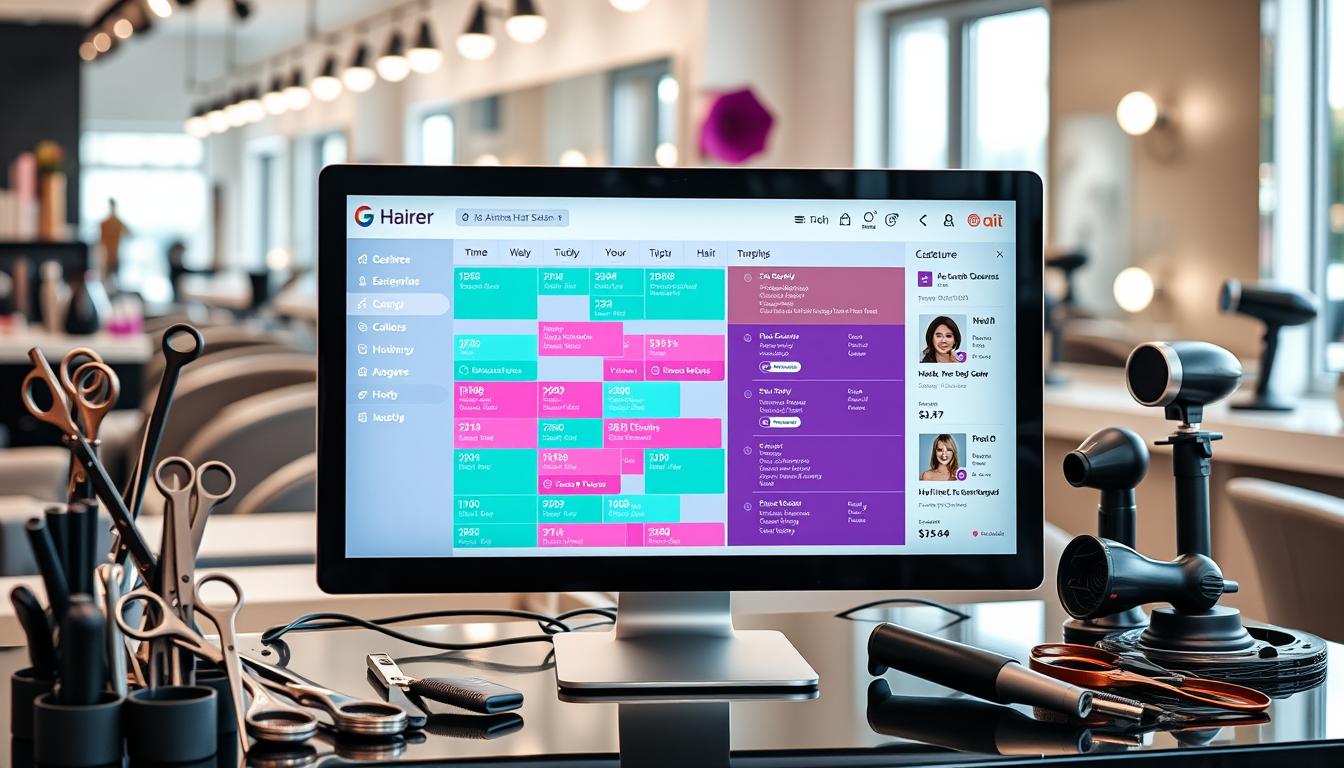
One of the primary ways practice management software streamlines clinic operations is by centralizing the scheduling process. This software allows clinics to manage schedules for multiple providers, rooms, and equipment in one place. It eliminates the need for paper-based calendars and spreadsheets, reducing the chances of double bookings and scheduling conflicts. With a centralized schedule, clinics can efficiently manage patient appointments, allocate resources, and optimize provider time.
2. Automated Appointment Reminders:
Practice management software offers automated appointment reminders to patients via text, email, or phone call. These reminders help reduce no-shows and last-minute cancellations, which can cause disruptions to the clinic’s schedule. By sending reminders, clinics can save time and resources spent on rescheduling appointments and improve patient satisfaction. Additionally, patients can confirm or reschedule appointments directly through the reminder, making it a convenient and hassle-free process for both parties.
3. Electronic Health Records:
Practice management software streamlines clinic operations by digitizing patient records. This allows healthcare providers to access patient information, such as medical history, lab results, and prescriptions, in one place. It eliminates the need for paper-based records, reducing the risk of errors and lost documents. With electronic health records, clinics can also easily share patient information with other healthcare providers, improving communication and coordination of care.
4. Billing and Insurance Management:
Practice management software automates the billing process, making it more efficient and accurate. It can generate invoices, process payments, and track outstanding balances. This software also integrates with insurance providers, allowing clinics to submit claims electronically and receive payments faster. By automating the billing and insurance management process, clinics can save time and resources, reduce errors, and improve their cash flow.
5. Inventory Management:
For clinics that offer in-house medication or medical supplies, practice management software can streamline inventory management. This software can track inventory levels, set automatic reordering, and generate reports on usage and stock levels. This helps clinics to avoid stockouts or overstocking, reducing waste and improving cost efficiency. It also ensures that clinics have the necessary supplies to provide quality care to their patients.
6. Reporting and Analytics:
Practice management software offers reporting and analytics capabilities that can help clinics to track and analyze their performance. This software can generate reports on various metrics, such as patient volume, revenue, and patient satisfaction. By having access to this data, clinics can make informed decisions to improve their operations and identify areas for improvement. It also allows clinics to monitor their progress over time and adjust their strategies accordingly.
7. Streamlined Communication:
Effective communication is crucial for the smooth operation of any clinic. Practice management software offers features such as internal messaging and task management, making communication between staff members more efficient. This software can also facilitate communication between clinics and patients, such as sending appointment reminders and sharing test results. By streamlining communication, clinics can improve their workflow and ensure that everyone is on the same page.
Conclusion:
In conclusion, practice management software plays a vital role in streamlining clinic operations. It offers a range of features that automate various administrative tasks, allowing healthcare providers to focus on delivering quality care to their patients. From centralized scheduling to automated appointment reminders and electronic health records, this software improves efficiency, reduces errors, and enhances communication. With the help of practice management software, clinics can optimize their operations and provide better patient care.