






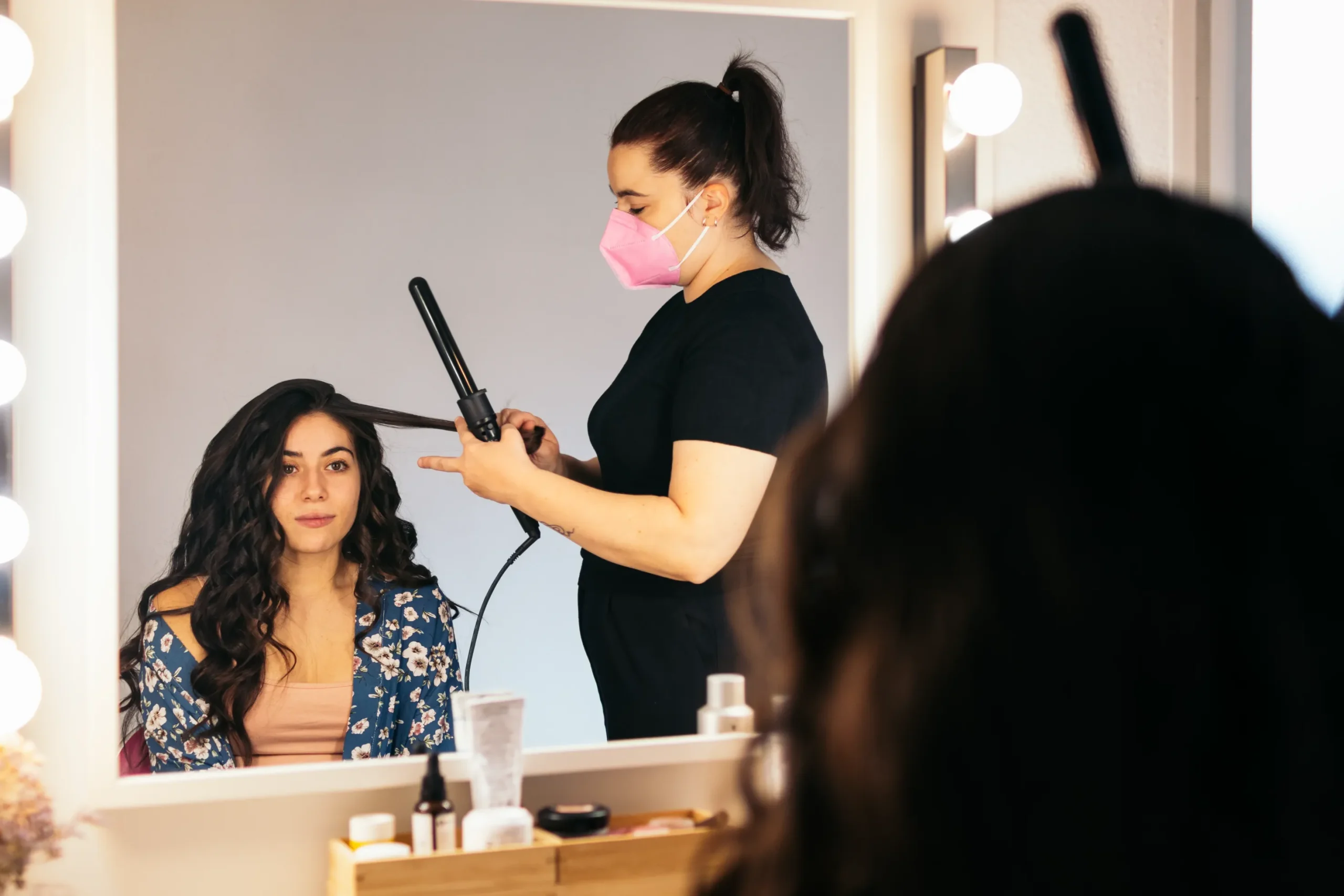
Introduction:
Beauty and skincare have always been integral parts of various cultures, reflecting not only aesthetic preferences but also societal norms and individual expressions. In recent years, the world of beauty has witnessed a transformation, with a growing emphasis on holistic approaches that prioritize both physical and emotional well-being. This shift has given rise to aesthetic practices that focus on enhancing not just outward appearances but also self-confidence and inner harmony.
Key Points:
1. Embracing Natural Ingredients: A significant trend in modern aesthetic practices is the widespread adoption of natural ingredients in skincare and beauty products. Consumers are increasingly mindful of what they put on their skin, seeking products free from harmful chemicals and packed with nourishing botanical extracts. A move towards sustainability and eco-consciousness is driving the popularity of natural skincare solutions that promote healthy, radiant skin without compromising on environmental ethics.
Another appeal of natural ingredients lies in their versatility and compatibility with a wide range of skin types. From soothing aloe vera to hydrating hyaluronic acid, natural skincare ingredients offer a gentle yet effective approach to addressing various skin concerns, catering to individuals seeking a harmonious balance between beauty enhancement and wellness promotion.
2. Personalized Treatment Plans: A key aspect that sets modern aesthetic practices apart is the emphasis on personalized treatment plans tailored to individual needs and goals. Gone are the days of one-size-fits-all approaches; today, clients expect bespoke solutions that address their unique skin concerns, lifestyle factors, and aesthetic preferences. Aesthetic practitioners are increasingly using advanced technologies such as skin analysis tools and 3D imaging to assess clients’ skin conditions accurately and develop customized treatment regimens.
This personalized approach not only ensures optimal results but also enhances the overall client experience, fostering a sense of trust and collaboration between practitioners and clients. By acknowledging each individual’s distinct beauty journey and providing tailored recommendations, aesthetic practices are helping clients achieve their desired aesthetic outcomes while empowering them to embrace their unique beauty with confidence.
3. Integrating Wellness Practices: Beyond superficial beauty enhancements, modern aesthetic practices are incorporating wellness-focused approaches that address the connection between emotional well-being and physical appearance. Recognizing that stress, lifestyle factors, and mental health can impact skin quality and aging processes, practitioners are integrating holistic wellness practices into their offerings. From mindfulness techniques to stress-relieving therapies, these practices aim to nurture not just external beauty but also internal balance and harmony.
By promoting a holistic view of beauty that encompasses both physical and emotional aspects, aesthetic practices are empowering individuals to cultivate a sense of well-rounded well-being that radiates from within. This integrated approach not only enhances the effectiveness of aesthetic treatments but also fosters a deeper appreciation for the multifaceted nature of beauty, encouraging clients to embrace self-care practices that nourish both body and soul.
Conclusion:
In conclusion, the evolution of aesthetic practices reflects a broader cultural shift towards holistic beauty ideals that emphasize authenticity, individuality, and self-care. By embracing natural ingredients, offering personalized treatment plans, and integrating wellness practices, modern aesthetic practices provide a multifaceted approach to beauty that goes beyond surface-level enhancements. In a world where self-expression and self-care are celebrated, these practices play a crucial role in empowering individuals to embrace their unique beauty journeys, fostering confidence, and well-being that radiate both outwardly and inwardly.