Introduction:
The aesthetics industry has experienced significant growth in recent years, with an increasing demand for non-invasive procedures such as Botox injections. As the popularity of Botox treatments continues to rise, many healthcare professionals, including registered nurses (RNs), are considering the possibility of opening their own Botox clinics. This article explores the legal and practical aspects of whether an RN can open a Botox clinic, outlining the necessary steps and considerations involved in this endeavor.
Key Points:
1. **Licensing and Certification Requirements:**
Before opening a Botox clinic, it is essential for RNs to ensure they meet all licensing and certification requirements mandated by their state board of nursing. In most states, RNs are allowed to perform Botox injections under the supervision of a licensed physician. However, specific regulations may vary, so it is crucial to research and comply with the legal requirements in the respective state. As part of the licensing process, RNs may need to complete additional training and certification programs specific to aesthetics and injectables. These courses provide the necessary skills and knowledge required to safely administer Botox injections and handle potential complications.
2. **Collaboration with a Medical Director:**
To operate a Botox clinic successfully, RNs often partner with a licensed healthcare provider, typically a physician, who serves as the medical director of the clinic. The medical director oversees the clinic’s operations, reviews patient charts, and provides medical oversight to ensure compliance with regulatory standards. Having a collaborative agreement with a medical director not only ensures legal compliance but also adds expertise and credibility to the clinic. This collaborative relationship enables RNs to focus on delivering high-quality care while leveraging the medical director’s guidance and supervision.
3. **Facility Setup and Equipment:**
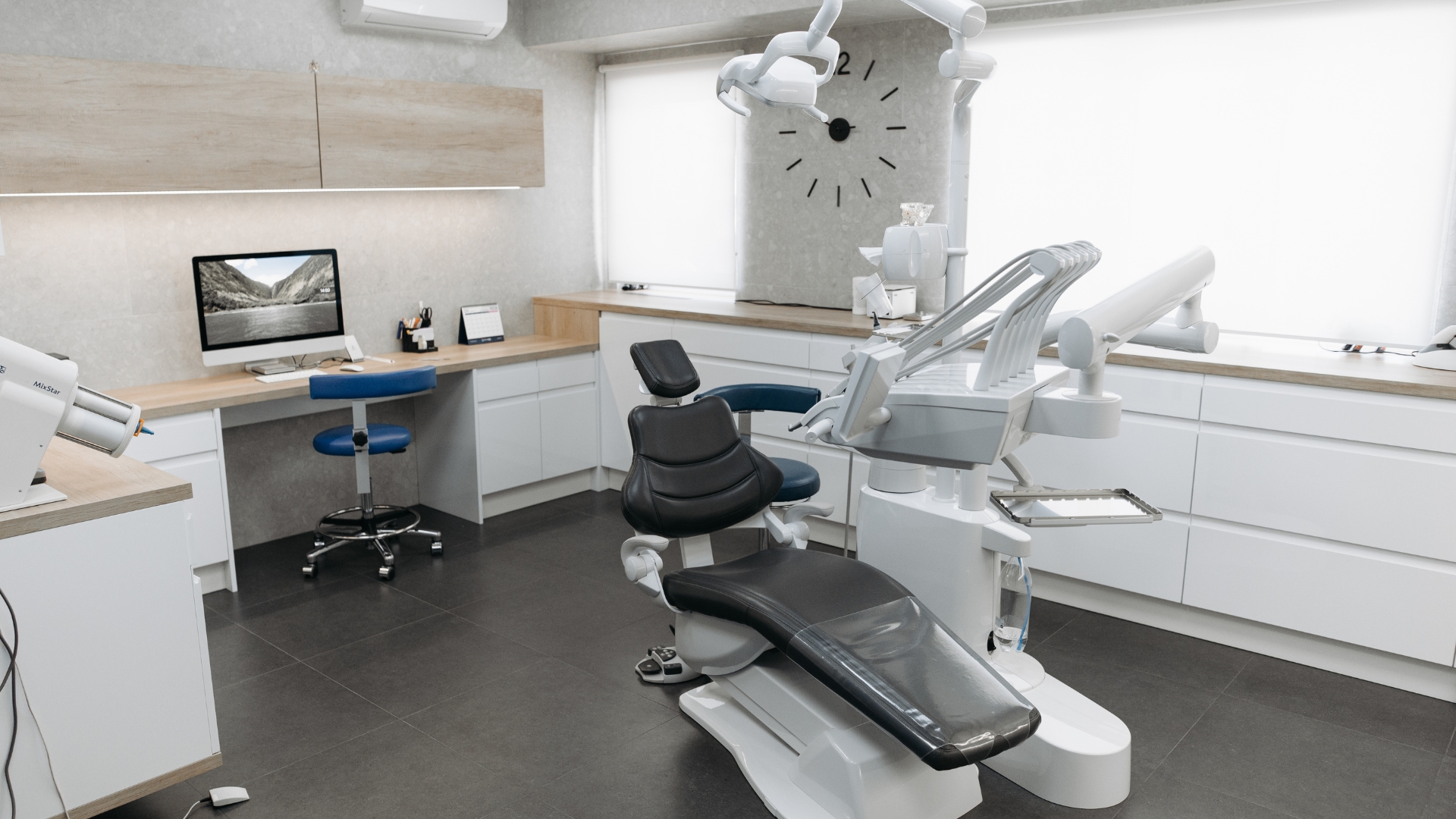
Creating a professional and inviting environment is essential for a Botox clinic. RNs looking to open their own clinic need to invest in suitable facilities, including treatment rooms, waiting areas, and administrative spaces. The clinic must comply with all health and safety regulations, and equipment must meet industry standards for administering Botox injections. Investing in high-quality medical equipment, such as syringes, needles, and disinfection supplies, is crucial to ensuring patient safety and treatment efficacy. Additionally, maintaining a clean and well-equipped clinic helps establish trust and confidence among patients.
4. **Marketing and Business Development:**
Promoting a Botox clinic requires strategic marketing and business development efforts. RNs looking to attract clients to their clinic should develop a comprehensive marketing plan that includes online and offline channels. Establishing a strong online presence through a professional website, social media platforms, and online advertising can help reach a broader audience and generate interest in the clinic’s services. Networking with other healthcare professionals, attending industry events, and offering promotions or discounts to new patients can also help RNs market their Botox clinic effectively. Building a strong referral network and cultivating positive relationships with clients are essential for long-term business growth and success.
Conclusion:
In conclusion, while the question of whether an RN can open a Botox clinic involves various legal and practical considerations, it is indeed possible for RNs to establish successful Botox clinics with the right preparation and collaboration. By meeting licensing requirements, partnering with a medical director, ensuring proper facility setup, and implementing effective marketing strategies, RNs can navigate the process of opening a Botox clinic and provide safe and high-quality aesthetic treatments to their clients. Embracing this opportunity can not only expand career options for RNs but also contribute to meeting the growing demand for aesthetic services in the healthcare industry.