






Introduction
Dietitians play a crucial role in promoting healthy eating habits and managing nutrition-related health concerns. The demand for their services has been increasing in recent years, leading to a rise in the number of dietitian clinics. With the growing number of patients and the complexity of managing their health records, many dietitians are turning to technology to streamline their clinic operations. This is where dietitian clinic management software comes into play. In this article, we will discuss everything you need to know about dietitian clinic management software, its key features, benefits, and how it can improve the efficiency of your clinic.
Key Points
1. What is dietitian clinic management software?
Dietitian clinic management software is a digital tool designed to help dietitians and nutritionists manage their clinics efficiently. It automates various administrative tasks such as appointment scheduling, patient record keeping, billing, and inventory management. Dietitian clinic management software also includes features that allow dietitians to create and monitor personalized meal plans for their patients.
2. Key features of dietitian clinic management software
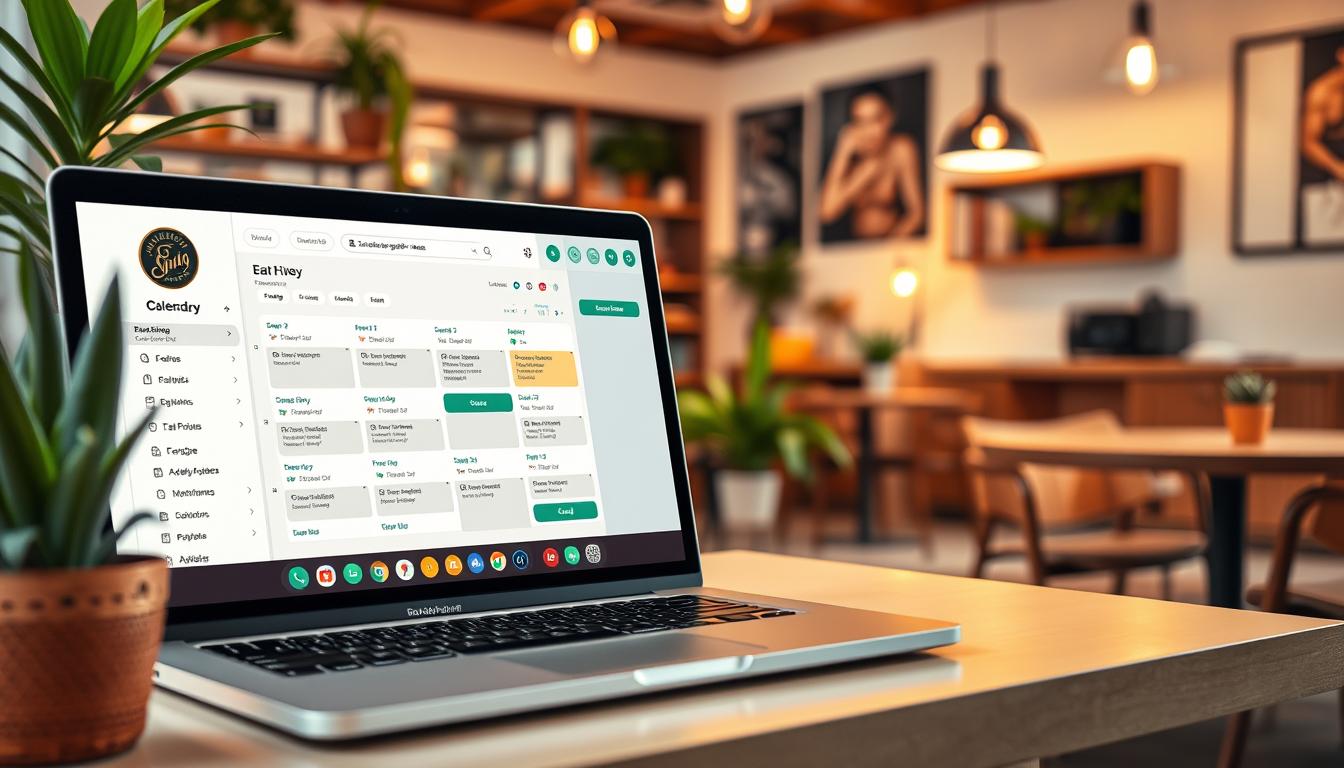
a. Appointment scheduling: This feature allows dietitians to schedule appointments with patients, track their availability, and send automated reminders. This helps streamline the scheduling process and reduces the risk of double-booking appointments.
b. Electronic health records: Dietitian clinic management software provides a secure and centralized platform for storing patient health records. This allows dietitians to easily access and update patient information, including medical history, allergies, and lab results.
c. Meal planning: Many dietitian clinic management software comes with built-in tools for creating personalized meal plans for patients. This feature includes a database of various foods and their nutritional values, making it easier for dietitians to create balanced and tailored meal plans for their patients.
d. Billing and invoicing: This feature automates the billing process by generating invoices for consultations, meal plans, and other services provided by the clinic. It also allows for easy tracking of payments and outstanding balances.
e. Inventory management: Dietitians often sell various health supplements and products at their clinics. Dietitian clinic management software helps manage inventory by tracking stock levels, generating purchase orders, and providing alerts for low stock levels.
f. Reporting and analytics: This feature provides valuable insights into the clinic’s performance, such as the number of patients seen, revenue generated, and popular services. This helps dietitians make data-driven decisions to improve the efficiency and profitability of their clinics.
3. Benefits of using dietitian clinic management software
a. Time-saving: Dietitian clinic management software automates many administrative tasks, allowing dietitians to focus more on patient care. This saves time and improves the efficiency of the clinic.
b. Improved patient experience: With features such as online appointment scheduling and automated reminders, patients can easily book appointments and stay updated on their upcoming visits. This improves the overall patient experience and satisfaction.
c. Enhanced data security: Patient health records contain sensitive information that must be kept confidential. Dietitian clinic management software provides a secure platform for storing and accessing patient data, reducing the risk of data breaches.
d. Cost-effective: While investing in dietitian clinic management software may seem like an additional expense, it can actually save money in the long run. By automating tasks and improving efficiency, dietitians can see more patients and generate more revenue.
e. Increased accuracy: Manual record-keeping can lead to errors and inconsistencies. Dietitian clinic management software eliminates the need for paper records and reduces the risk of errors, ensuring accurate patient data.
f. Mobility and accessibility: Many dietitian clinic management software offer cloud-based solutions, allowing dietitians to access patient records and manage their clinics from any location with an internet connection. This is especially beneficial for dietitians who work in multiple locations or offer virtual consultations.
4. Choosing the right dietitian clinic management software
When considering which dietitian clinic management software to invest in, it is essential to research and compare different options. Some key factors to consider include:
a. User-friendly interface: The software should be easy to navigate and use, even for those with limited technical knowledge.
b. Customizable features: Every clinic has its own unique needs, and the software should allow for customization to meet those needs.
c. Integration capabilities: The software should integrate with existing systems and devices, such as electronic payment systems, to streamline operations.
d. Customer support: Look for software providers that offer reliable customer support in case of any technical issues or questions.
e. Security measures: Ensure that the software has robust security measures in place to protect patient data.
Conclusion
Dietitian clinic management software is a valuable tool for streamlining clinic operations and improving patient care. Its features and benefits make it an essential investment for any dietitian looking to enhance the efficiency and profitability of their clinic. By automating administrative tasks, reducing errors, and providing valuable insights, dietitian clinic management software allows dietitians to focus on what they do best – helping patients improve their health through proper nutrition. It is important to carefully consider your clinic’s needs and research different software options before making a decision. With the right dietitian clinic management software, you can take your clinic to the next level and provide top-notch care to your patients.