






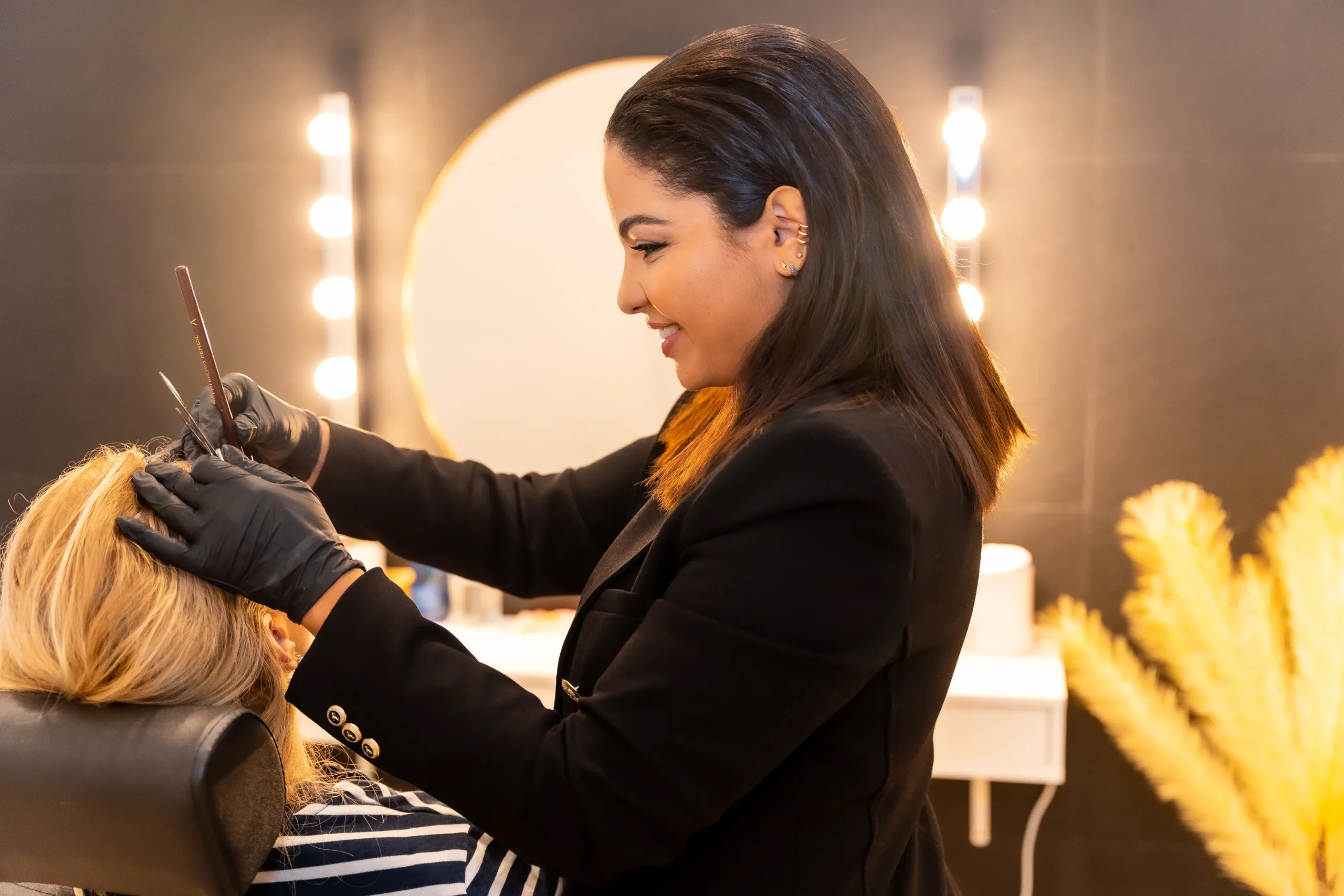
Introduction:
The field of esthetics has seen a significant transformation in recent years, with advancements in technology and changing consumer preferences shaping the landscape of skincare and beauty treatments. Estheticians play a vital role in helping clients achieve healthy, glowing skin and providing personalized care tailored to individual needs. Amidst a burgeoning industry, the integration of technology and innovative products is reshaping the way estheticians deliver services, interact with clients, and manage their businesses.
Key Points:
1. Customized Skincare Treatments: One of the primary responsibilities of an esthetician is to provide customized skincare treatments that address specific skin concerns. Through in-depth consultations and skin analyses, estheticians can recommend tailored solutions, such as facial treatments, chemical peels, or microdermabrasion. These personalized services not only improve the overall health of the skin but also cater to the individual preferences and goals of each client.
In addition to professional treatments, estheticians often educate clients on maintaining healthy skincare routines at home. By recommending appropriate skincare products and techniques, they empower clients to take care of their skin between appointments, promoting long-term skin health and enhancing the efficacy of professional treatments.
2. Integration of Advanced Technology: Advancements in skincare technology have revolutionized the esthetics industry, offering innovative solutions for various skin concerns. Estheticians now have access to cutting-edge tools such as LED light therapy devices, microcurrent machines, and ultrasound technology, which can enhance the results of skincare treatments and address specific skin issues effectively.
These technological advancements not only improve the quality of esthetic services but also provide estheticians with valuable resources to stay updated on the latest trends and techniques in skincare. By embracing technology, estheticians can deliver superior results to their clients and differentiate themselves in a competitive market.
3. Holistic Approach to Beauty: In recent years, there has been a growing emphasis on the connection between skincare, overall wellness, and self-care practices. Estheticians are increasingly adopting a holistic approach to beauty, considering factors such as nutrition, lifestyle habits, and mental well-being in their treatment recommendations.
By addressing the interplay between internal and external factors that affect skin health, estheticians can offer comprehensive solutions that promote holistic well-being and long-lasting results for their clients. This approach not only enhances the client’s physical appearance but also contributes to their overall sense of confidence and self-esteem.
4. Client Education and Empowerment: Educating clients about skincare practices, product ingredients, and treatment options is a fundamental aspect of an esthetician’s role. By providing comprehensive information and guidance, estheticians empower clients to make informed decisions about their skincare routines and treatment plans.
Through effective communication and personalized recommendations, estheticians foster trust and loyalty among their clients, creating lasting relationships built on mutual respect and collaboration. By serving as trusted advisors in skincare, estheticians can help clients navigate the complexities of the beauty industry and achieve their skincare goals effectively.
Conclusion:
In conclusion, the field of esthetics continues to evolve, driven by a commitment to personalized care, technological innovation, and holistic approaches to beauty. Estheticians play a crucial role in enhancing the overall well-being of their clients, providing expert skincare services, and empowering individuals to embrace their natural beauty. By staying abreast of the latest trends, tools, and techniques in esthetics, professionals in this field can deliver exceptional results and shape the future of skincare practices for years to come.