Introduction:
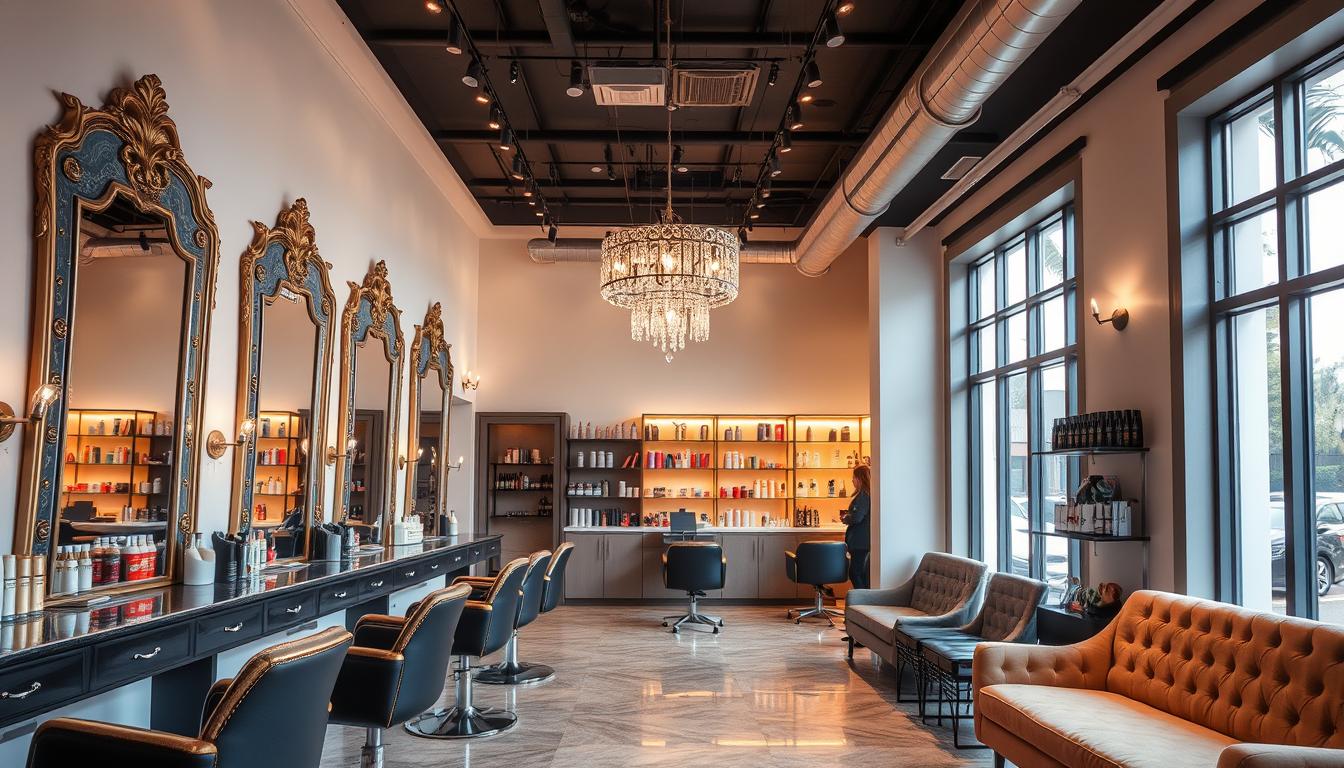
Hair salons and barber shops are more than just places to get a haircut; they are cultural hubs where people come to relax, socialize, and express themselves through personal style. As these establishments continue to adapt to the changing needs of their clientele, the integration of innovative technology has become crucial. One such advancement that is reshaping the industry is the use of salon and barber shop management software. This technology is revolutionizing the way salons and barber shops operate, improving efficiency, enhancing customer experiences, and optimizing business processes.
Key Points:
1. **Streamlined Appointment Booking:** Gone are the days of phone calls and walk-ins to schedule a salon or barber appointment. Salon and barber shop management software offer online booking platforms that empower customers to book appointments conveniently from their devices. This streamlined process not only saves time for clients but also helps salon owners manage their schedules efficiently. By allowing clients to select their preferred services, stylists, and time slots, this software is transforming the way appointments are made in the beauty industry. The automated reminders and notifications feature of the software reduces the chances of no-shows and last-minute cancellations. This benefits both clients, who can better organize their time, and salon owners, who can optimize their daily schedules for maximum productivity.
2. **Inventory Control and Product Management:** Maintaining an organized inventory of hair care products, styling tools, and salon supplies is essential for smooth operations. Manual inventory management can be prone to errors, leading to stock shortages or overstocking. Salon and barber shop management software provide real-time tracking of inventory levels, alerting owners when it’s time to restock popular items and helping them manage supplies efficiently. Additionally, the software can track product usage patterns, enabling salon owners to make informed decisions about which products to reorder based on customer preferences and demand. By optimizing inventory control, salons can reduce waste, minimize costs, and ensure that they always have the supplies they need to serve their clients.
3. **Employee Scheduling and Performance Monitoring:** Coordinating schedules for stylists and salon staff can be a challenging task, especially in a busy salon environment. Salon and barber shop management software simplify employee scheduling by providing a centralized platform where managers can create and optimize work schedules based on staff availability and service demand. Moreover, the software includes performance tracking features that allow managers to monitor individual stylist productivity, track client feedback, and analyze service completion times. This data-driven approach helps salon owners identify top-performing stylists, provide targeted training where needed, and ensure that staffing levels are aligned with customer demand.
4. **Client Management and Personalized Services:** Building lasting relationships with clients is a cornerstone of success in the beauty industry. Salon and barber shop management software facilitate effective client management by storing customer information, service history, and preferences in a secure database. This enables stylists to deliver personalized services tailored to each client’s unique needs and preferences. The software’s customer relationship management (CRM) tools also allow salons to send automated appointment reminders, special promotions, and personalized recommendations to clients based on their past visits. By providing a personalized and attentive experience, salons can strengthen customer loyalty, drive repeat business, and attract new clients through positive word-of-mouth referrals.
5. **Financial Reporting and Business Analytics:** Understanding the financial health of a salon is essential for making informed business decisions and setting long-term goals. Salon and barber shop management software offer robust financial reporting and analysis features that provide owners with valuable insights into their business performance. These tools generate detailed reports on revenue, expenses, profit margins, and other key performance indicators, allowing salons to track their financial progress and identify areas for improvement. By leveraging this data, salon owners can optimize pricing strategies, allocate resources effectively, and drive profitability in an increasingly competitive market.
Conclusion:
In conclusion, salon and barber shop management software are revolutionizing the beauty industry by empowering salon owners to streamline their operations, enhance customer experiences, and drive business growth. From online appointment booking and inventory management to employee scheduling and client relationship management, these tools offer a comprehensive solution for modern salons looking to stay competitive and deliver exceptional service. By embracing technology and leveraging data-driven insights, salon owners can position their businesses for success in an ever-evolving industry landscape.