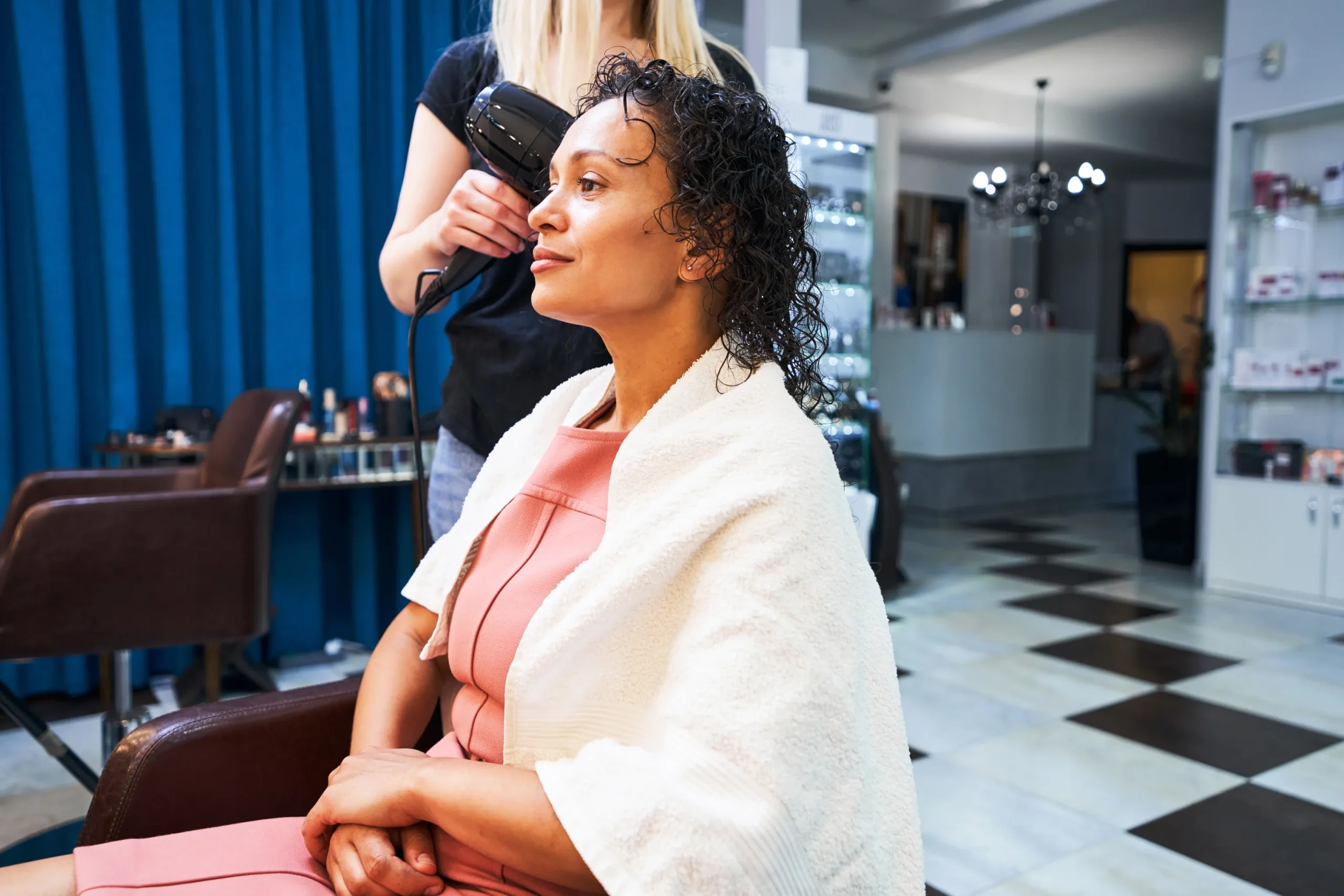
Introduction:
Starting a spa business can be a rewarding venture that allows you to create a serene oasis for relaxation and self-care. As the wellness industry continues to thrive, the demand for spa services remains high, making it an attractive opportunity for aspiring entrepreneurs. However, launching a successful spa business requires careful planning, attention to detail, and a deep understanding of the market and customer needs. From crafting a unique spa concept to designing a tranquil space, there are various factors to consider when embarking on this exciting journey.
Key Points:
1. Crafting a Unique Spa Concept: The success of a spa business often hinges on its ability to offer a distinct and appealing concept to attract customers. Whether you choose to focus on holistic wellness treatments, luxury pampering experiences, or niche services such as organic skincare, defining your spa’s unique selling proposition is crucial. By understanding your target audience and market trends, you can create a spa concept that resonates with customers and sets you apart from competitors. 2. Designing a Tranquil Space: The ambiance of a spa plays a significant role in shaping the overall customer experience. From soothing color schemes to comfortable furnishings and calming lighting, creating a tranquil space is essential for promoting relaxation and well-being. Consider incorporating natural elements, such as plants and water features, to enhance the spa’s atmosphere and evoke a sense of serenity. Attention to detail in design can make a lasting impression on clients and encourage them to return. 3. Comprehensive Spa Menu and Services: A diverse and comprehensive spa menu is key to attracting a wide range of clientele with varying preferences and needs. Offer a mix of traditional spa treatments, such as massages, facials, and body scrubs, as well as specialized services like aromatherapy, acupuncture, or infrared saunas. Personalization options, such as customizable packages or add-on enhancements, can further enhance the spa experience and cater to individual preferences. Regularly updating and expanding your service menu can keep customers engaged and interested in trying new offerings. 4. Staff Training and Customer Service Excellence: The quality of service provided by spa staff can significantly impact the overall customer experience and satisfaction. Investing in comprehensive training programs for therapists, estheticians, and front desk personnel is essential to ensure consistent service delivery and professionalism. Emphasize the importance of attentive customer care, active listening, and personalized attention to create a welcoming and inclusive spa environment. Building strong relationships with clients through exceptional service can foster loyalty and positive word-of-mouth referrals. 5. Marketing and Promotion Strategies: Effective marketing and promotion are essential for attracting new clients and retaining existing ones in a competitive spa industry. Develop a robust marketing strategy that includes a mix of online and offline tactics, such as social media campaigns, email newsletters, loyalty programs, and partnerships with local businesses. Promote special offers, discounts, and seasonal promotions to incentivize bookings and create buzz around your spa. Leveraging customer reviews, testimonials, and before-and-after photos can also build credibility and trust with potential clients.
Conclusion:
In conclusion, starting a spa business requires a holistic approach that encompasses strategic planning, thoughtful design, quality service, and effective marketing. By crafting a unique spa concept, designing a tranquil space, offering a diverse range of services, prioritizing staff training and customer service excellence, and implementing targeted marketing strategies, you can create a successful spa business that thrives in today’s competitive market. With a commitment to quality, innovation, and customer satisfaction, your spa can become a beloved destination for relaxation, rejuvenation, and well-being.