






Introduction:
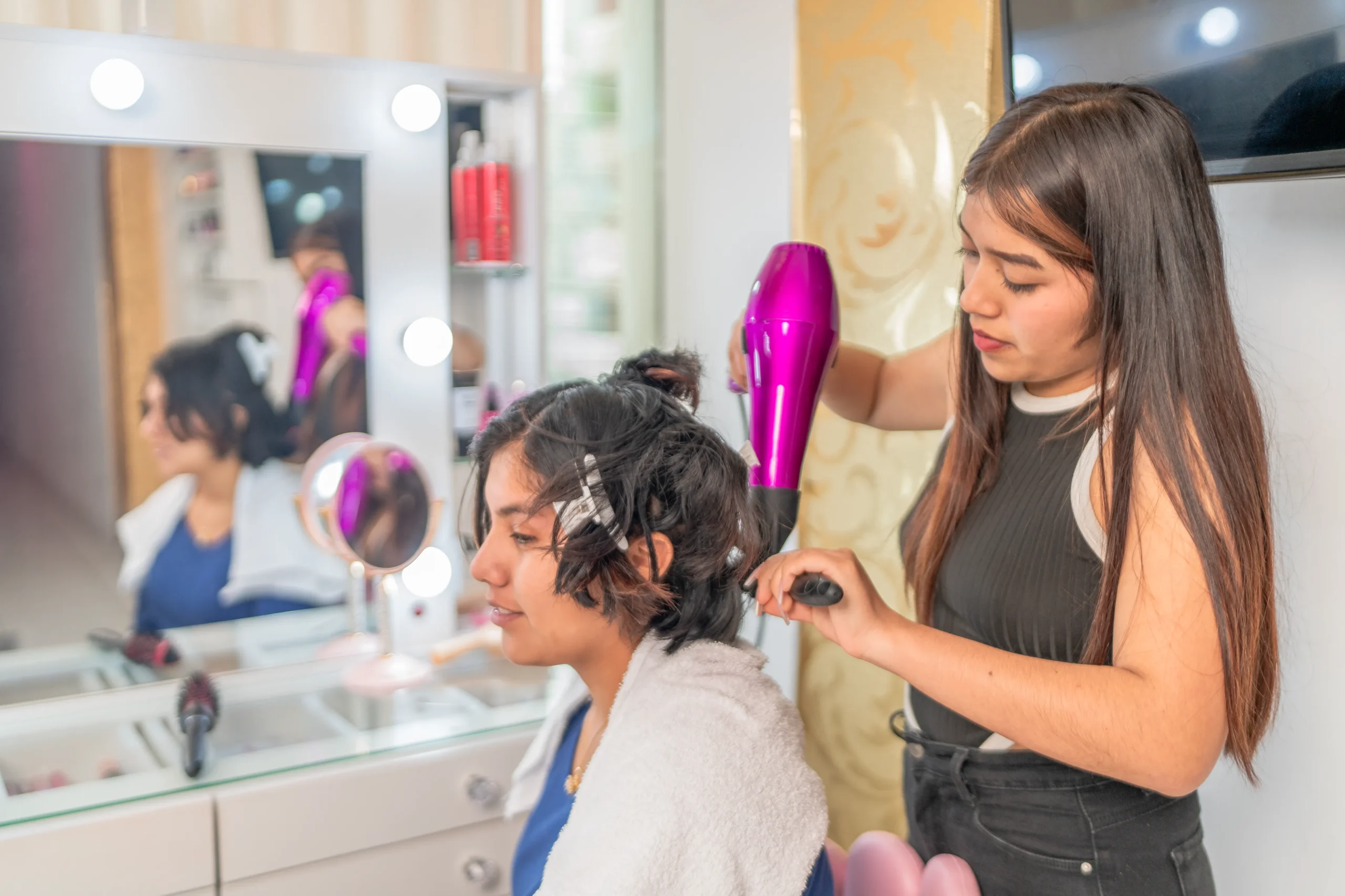
Salon haircuts are more than just a service; they are an opportunity for individuals to express themselves, boost their confidence, and enjoy a moment of pampering. With the evolution of the beauty industry and the increasing demand for personalized grooming experiences, salons are incorporating innovative strategies to cater to their diverse clientele. One key element shaping the salon experience is the integration of technology and modern salon management practices. Let’s explore how these advancements are revolutionizing the way salons operate, enhancing customer satisfaction, and ensuring a seamless salon visit.
Key Points:
1. **Personalized Consultations and Styling Recommendations:**
Salons are now utilizing advanced technologies to provide personalized consultations to clients. By analyzing factors such as face shape, skin tone, and lifestyle preferences, stylists can offer tailored styling recommendations that align with the client’s unique features and desired look. This personalized approach enhances the client’s salon experience and ensures they leave feeling confident and satisfied with their new haircut. In addition to personalized consultations, salons are leveraging digital tools to showcase hairstyle simulations, allowing clients to visualize different haircuts and colors before making a decision. This interactive experience empowers clients to explore new styles with confidence, leading to increased customer satisfaction and loyalty.
2. **Efficient Appointment Booking and Management:**
Gone are the days of tedious phone calls and manual appointment scheduling. Modern salon management software enables clients to book appointments online, selecting their preferred date, time, and stylist with ease. This streamlined process not only saves time for both clients and salon staff but also reduces the likelihood of scheduling errors and overlapping appointments. Furthermore, salon management software offers automated reminders and notifications, ensuring that clients stay informed about their upcoming appointments. By enhancing the booking and management process, salons can improve customer satisfaction and optimize their operational efficiency.
3. **Enhanced Staff Collaboration and Training:**
Effective communication and teamwork among salon staff are essential for delivering top-notch services to clients. Salon management software facilitates seamless staff collaboration by providing a centralized platform for sharing client preferences, stylist notes, and feedback. This enhanced communication ensures that each client receives consistent and personalized service, regardless of the stylist they are assigned to. Moreover, salon management software supports staff training and skill development by offering access to educational resources, trend updates, and styling techniques. Continuous learning opportunities empower salon staff to stay updated with the latest industry trends and techniques, enabling them to deliver exceptional services to clients.
4. **Client Engagement and Loyalty Programs:**
Building strong relationships with clients is key to fostering loyalty and repeat business. Salon management software enables salons to maintain detailed client profiles, including service history, product preferences, and special occasions. By leveraging this data, salons can provide personalized recommendations, exclusive offers, and loyalty rewards to incentivize client retention and engagement. Additionally, salon management software facilitates targeted marketing campaigns, such as promotions for new services or products, birthday discounts, and referral bonuses. These initiatives not only enhance client engagement but also contribute to increased customer satisfaction and brand loyalty.
5. **Performance Monitoring and Business Insights:**
To thrive in a competitive market, salon owners need access to real-time data and analytics to make informed business decisions. Salon management software offers comprehensive reporting features that provide insights into key performance metrics, such as appointment trends, service profitability, inventory levels, and client retention rates. By analyzing this data, salon owners can identify areas for improvement, optimize resource allocation, and develop strategic growth initiatives. Moreover, salon management software supports financial management by tracking revenue, expenses, and profit margins, enabling owners to maintain financial stability and drive business growth.
Conclusion:
In conclusion, the integration of technology and modern salon management practices is transforming the salon experience for both clients and salon owners. By offering personalized consultations, streamlining appointment booking, enhancing staff collaboration, implementing client engagement strategies, and leveraging data-driven insights, salons can elevate the quality of service they provide and build lasting relationships with their clients. Embracing these innovative tools is essential for staying competitive, adapting to evolving customer preferences, and ensuring a seamless and satisfying salon visit for all.