Introduction:
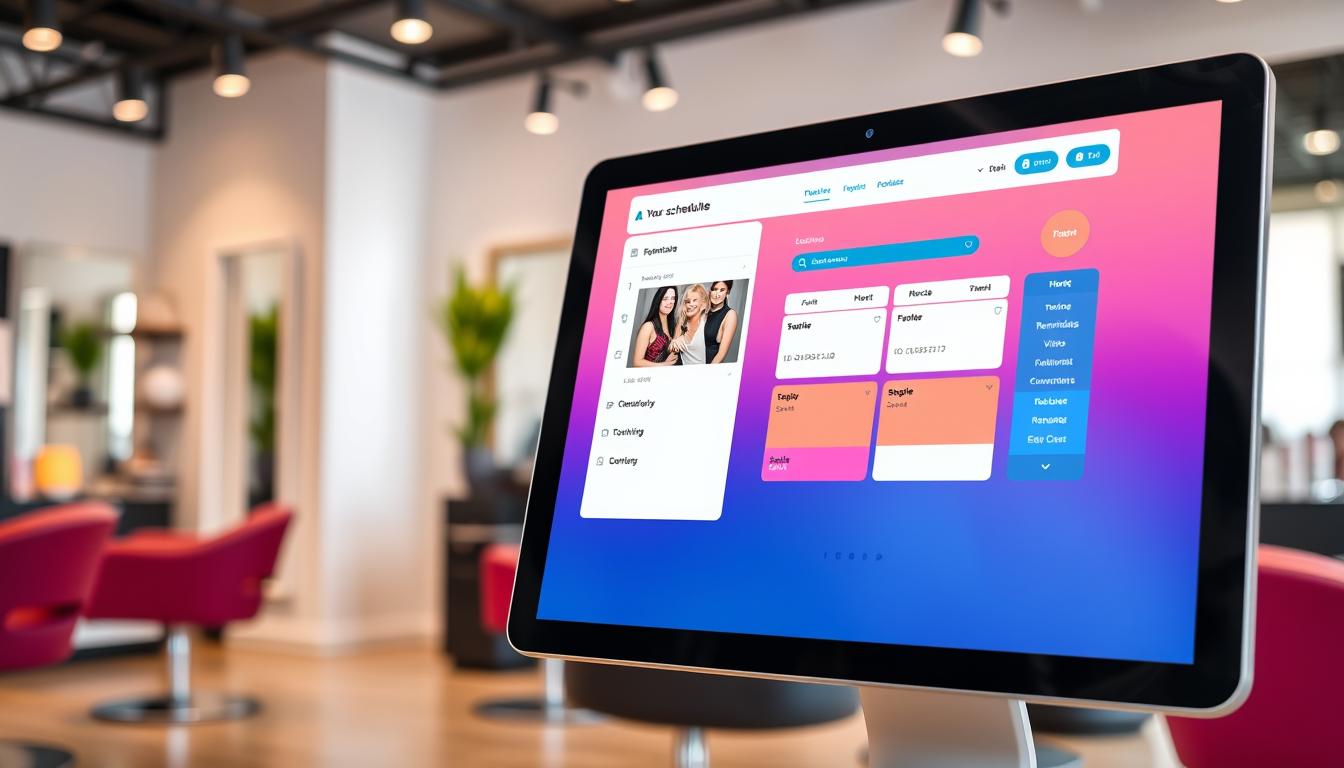
Salons have long been regarded as more than just places for grooming; they are spaces of relaxation, transformation, and self-care. As the beauty industry continues to evolve, salon owners are turning to advanced tools and strategies to enhance their operations and deliver exceptional experiences to their clients. One such innovation making waves in the salon world is salon management software. This technology is revolutionizing how salons function, enabling seamless operations, personalized services, and improved client satisfaction.
Key Points:
1. Streamlined Appointment Booking: Efficient appointment booking is paramount for a successful salon experience. Salon management software simplifies this process by allowing clients to book appointments online, view available time slots, and select their preferred services. This streamlined approach reduces scheduling conflicts, minimizes no-shows, and ensures that the salon operates at optimal capacity, leading to better time management and increased client satisfaction.
Salon management software also enables salon owners to manage their team’s schedules effectively, ensuring that each stylist is assigned appointments based on availability and expertise. This feature not only enhances operational efficiency but also improves staff productivity and overall service quality.
Moreover, by integrating automated appointment reminders and confirmations, salon software helps reduce the likelihood of missed appointments, leading to a more organized and smoothly run salon.
2. Inventory Control and Product Management: Maintaining an updated inventory of products and supplies is fundamental for salon operations. Salon management software offers a user-friendly interface that allows salon owners to track inventory levels, monitor product usage, and generate auto-replenishment alerts for restocking. This proactive approach helps prevent product shortages, enhances purchasing decisions, and ensures that clients always have access to their favorite products and services.
Additionally, the software provides insightful reports on product performance, allowing salon owners to identify top-selling items, trends, and areas for improvement. This data-driven approach empowers salons to optimize their product offerings, boost sales, and provide a tailored experience to each client.
3. Staff Management and Performance Tracking: Effective staff management is essential for maintaining a cohesive and productive salon team. Salon management software simplifies the process of scheduling staff shifts, allocating tasks, and tracking performance metrics. By centralizing staff information and schedules, salon owners can optimize staffing levels, prevent scheduling conflicts, and ensure a seamless workflow.
Moreover, the software enables salon owners to monitor key performance indicators such as client satisfaction ratings, service completion times, and retail sales. This data-driven approach allows salon managers to identify high-performing staff, provide targeted training where needed, and incentivize exceptional performance, leading to a more motivated and efficient team.
4. Client Relationship Management: Developing long-lasting relationships with clients is a cornerstone of salon success. Salon management software enhances client relationship management by storing client preferences, service history, and contact information in a centralized database. This comprehensive client profile enables salon staff to personalize service recommendations, send targeted promotions, and provide a seamless experience across visits.
Additionally, salon software facilitates client communication through automated appointment reminders, follow-up emails, and satisfaction surveys. By staying connected with clients outside of salon visits, salons can build loyalty, increase repeat business, and foster a strong sense of community around their brand.
5. Financial Reporting and Analytics: Understanding the financial health of a salon is vital for making informed business decisions. Salon management software offers robust financial reporting functionalities that track revenue, expenses, profit margins, and key performance indicators. By analyzing these metrics, salon owners can gain insights into their business performance, identify areas for improvement, and make data-driven decisions to drive growth and profitability.
Moreover, salon software simplifies payroll management, commission tracking, and tax reporting, saving salon owners time and resources. By automating financial processes and providing real-time insights into business performance, salon management software empowers owners to focus on strategic planning, marketing initiatives, and enhancing the overall salon experience.
Conclusion:
In conclusion, salon management software is a game-changer for modern salons looking to elevate their operations and exceed client expectations. By streamlining appointment booking, optimizing inventory control, empowering staff management, enhancing client relationships, and providing actionable financial insights, salon software offers a holistic solution to meet the ever-evolving needs of the beauty industry. Embracing this technology is not just a competitive advantage but a strategic investment in long-term success and client satisfaction. Salons that prioritize innovation and efficiency through salon management software are poised to thrive in today’s dynamic beauty landscape.