






Introduction:
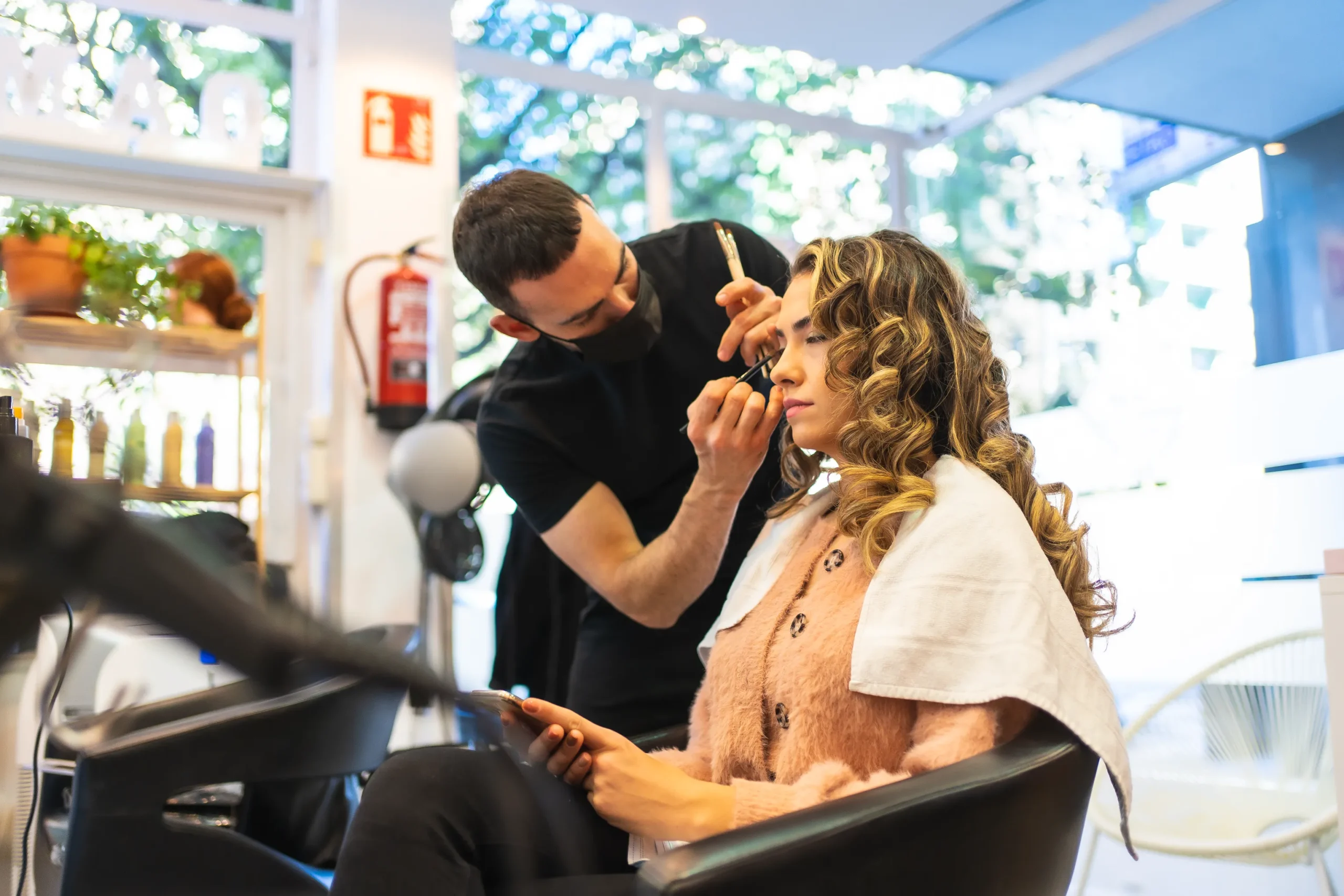
Salons and barber shops both play essential roles in the beauty and grooming industry, offering services that cater to the diverse needs and preferences of their clientele. While these establishments share common goals in enhancing personal appearance and boosting self-confidence, there are distinct differences between salons and barbers that shape the experiences they provide. Understanding these differences can help individuals make informed choices about where to seek their beauty and grooming services.
Key Points:
1. **Services Offered:** Salons typically offer a wide range of services that cater to both men and women, including haircuts, styling, coloring, treatments, manicures, pedicures, facials, and more. They are known for providing comprehensive beauty solutions, with specialized professionals like hairstylists, colorists, estheticians, and nail technicians on staff. On the other hand, barber shops focus primarily on traditional men’s grooming services such as haircuts, beard trims, shaves, and styling. Barbers are experts in men’s hair and facial hair care, often specializing in classic and contemporary barbering techniques that cater specifically to male clientele.
2. **Atmosphere and Design:** The ambiance of a salon versus a barber shop can vary significantly. Salons tend to embrace a more upscale and contemporary aesthetic, with modern decor, elegant lighting, and a calming atmosphere designed to create a luxurious experience for clients. They often incorporate soothing music, aromatherapy, and comfortable seating to enhance the overall ambiance. In contrast, barber shops typically exude a classic and masculine vibe, featuring vintage-inspired decor, leather chairs, and traditional barbering accessories like straight razors and barber poles. The atmosphere in a barber shop is more communal and reminiscent of a social gathering place where clients can relax and engage in conversations with their barber and fellow patrons.
3. **Expertise and Specialization:** Salons are known for their versatility and ability to cater to a wide range of hair textures, styles, and preferences. Hairstylists in salons undergo extensive training and education to master the latest cutting, coloring, and styling techniques, ensuring that they can create personalized looks that complement each client’s unique features. They often specialize in specific areas such as balayage, extensions, or precision cutting. Barbers, on the other hand, specialize in men’s grooming techniques, honing their skills in classic barbering services like fades, tapers, beard grooming, and hot towel shaves. Barbers are experts in creating sharp and clean-cut styles that enhance masculine features and reflect timeless grooming traditions.
4. **Clientele and Community:** The clientele of salons and barber shops can differ based on factors such as services offered, pricing, and ambiance. Salons tend to attract a diverse clientele that includes both men and women seeking comprehensive beauty services and pampering treatments. Clients often visit salons for special occasions like weddings, proms, or corporate events, looking to transform their appearance and feel their best. In contrast, barber shops cater primarily to male clients seeking routine grooming services and personalized styling. The sense of community in a barber shop is often strong, with regular clients developing relationships with their barbers and fellow patrons over time. Barber shops serve as social hubs where men can bond, converse, and relax in a familiar environment.
5. **Price and Value:** The pricing structure of salons and barber shops can vary based on the services provided, expertise of the professionals, and location of the establishment. Salons typically charge higher prices for their services, reflecting the comprehensive nature of the treatments offered and the specialized skills of their staff. Clients often view salon services as investments in their overall appearance and self-care, willing to pay premium rates for quality results. Barber shops, on the other hand, offer competitive pricing for their grooming services, making them accessible to a broader range of clients. The value proposition of barber shops lies in their expertise in men’s grooming, personalized attention, and the traditional grooming experience they provide, creating a sense of nostalgia and authenticity for clients.
Conclusion:
In conclusion, the choice between a salon and a barber shop ultimately depends on individual preferences, lifestyle, and grooming needs. Salons offer a luxurious and versatile experience tailored to both men and women, with a focus on comprehensive beauty services and personalized styling. Barber shops provide a traditional and communal atmosphere that specializes in men’s grooming services, offering expert techniques, masculine aesthetics, and a sense of camaraderie among clients. Whether seeking a transformative makeover at a salon or a classic grooming experience at a barber shop, clients can find tailored services that enhance their appearance, boost their confidence, and cater to their unique style preferences. Understanding the distinctions between salons and barber shops can empower clients to make informed decisions about where to trust their beauty and grooming needs, ensuring that they receive exceptional service and quality results.