Unlocking the Lexicon of Touch: A Professional’s Guide to Massage Terminology
In the world of wellness, the language we use to describe our services is just as important as the techniques we employ. For spa, clinic, salon, and wellness business owners, understanding and utilizing the rich vocabulary of massage therapy isn’t just about semantics—it’s a strategic tool for marketing, client education, and professional differentiation. The term “massage” itself, while universally understood, is just the tip of the iceberg. A diverse lexicon allows you to precisely communicate the benefits, origins, and unique qualities of your offerings, attracting a wider clientele and setting your business apart in a competitive market.
Why Terminology Matters in Your Wellness Business
Before diving into the specific terms, it’s crucial to understand why expanding your vocabulary beyond “massage” is a smart business move. The right terminology can:
- Enhance Marketing Appeal: Specific, evocative terms can make your services sound more luxurious, specialized, or results-oriented.
- Educate Clients: Many clients are unfamiliar with the differences between modalities. Clear terminology helps them make informed choices.
- Justify Pricing: Unique or technical terms can help clients understand the value and expertise behind higher-priced services.
- Target Specific Demographics: Athletes may respond to “sports massage,” while those seeking relaxation might prefer “aromatherapy session.”
Western Modalities: The Foundation of Modern Practice
Many of the most common massage terms originate from Western traditions, focusing on anatomy, physiology, and specific therapeutic outcomes.
Swedish Massage
Often considered the foundation of Western massage, Swedish techniques are characterized by long, flowing strokes. Alternative terms include:
- Classic Massage: A common European term emphasizing its foundational status.
- Relaxation Massage: Highlights the primary goal of stress reduction and overall wellness.
- Body Massage: A simple, all-encompassing term used in many spa menus.
Deep Tissue Massage
This modality targets the deeper layers of muscle and connective tissue. Other descriptive terms include:
- Myofascial Release: Focuses specifically on releasing tension in the fascia, the connective tissue surrounding muscles.
- Structural Integration (e.g., Rolfing): A more intensive approach aiming to align and balance the body’s structure.
- Trigger Point Therapy: Targets hyperirritable spots in skeletal muscle that are associated with pain referral patterns.
Sports Massage
Designed to assist with athletic performance and recovery, this category includes:
- Pre-Event Massage: Focused on preparing muscles for activity.
- Post-Event Massage: Aims to reduce muscle soreness and accelerate recovery.
- Maintenance Massage: Regular sessions to prevent injuries and maintain optimal function.
Eastern Traditions: Ancient Wisdom for Modern Healing
Eastern modalities often incorporate concepts of energy flow, meridian pathways, and holistic balance, offering a different perspective and vocabulary.
Shiatsu
Originating from Japan, Shiatsu means “finger pressure.” Related terms include:
- Acupressure: The broader practice of applying pressure to specific points on the body to relieve pain and improve health.
- Zen Shiatsu: A style that incorporates more intuitive, meditative elements.
Thai Massage
Often described as “yoga for the lazy,” Thai massage involves stretching and compression. Alternative descriptions:
- Thai Yoga Massage: Emphasizes the yoga-like stretches incorporated in the session.
- Nuad Boran: The traditional name meaning “ancient massage.”
- Passive Stretching Session: A Westernized term that describes the experience for new clients.
Tui Na
A form of Chinese therapeutic massage, Tui Na translates to “push grasp.” It’s often associated with:
- Chinese Medical Massage: Highlights its roots in Traditional Chinese Medicine (TCM).
- Meridian Therapy: Focuses on balancing the flow of Qi through the body’s energy pathways.
Specialized and Hybrid Techniques
The evolution of massage has led to numerous hybrid and specialized forms, each with its own unique terminology.
Prenatal and Postnatal Massage
Specifically designed for expectant and new mothers, these services can be marketed as:
- Mother-to-Be Massage: A gentler, more inviting term for prenatal work.
- Postpartum Recovery Massage:
Focuses on the unique needs after childbirth.
Lymphatic Drainage
This gentle technique encourages lymph flow. Alternative terms include:
- Manual Lymphatic Drainage (MLD): The technical term often used in clinical settings.
- Detox Massage: A popular spa term emphasizing the elimination of toxins.
Hot Stone Massage
Using heated stones to enhance relaxation and muscle release, this can also be called:
- LaStone Therapy: A branded term that helped popularize the technique.
- Thermal Massage: Emphasizes the use of temperature in treatment.
Energetic and Esoteric Modalities
Some modalities focus less on physical manipulation and more on energy work, requiring a different vocabulary to convey their benefits.
Reiki
While not massage in the traditional sense, Reiki is often offered in wellness centers. Terms include:
- Energy Healing: A broad term that encompasses Reiki and similar practices.
- Palm Healing: Describes the hands-on (or hands-off) technique.
Craniosacral Therapy
This subtle modality involves light touches to manipulate the bones of the skull and spine. It may be described as:
- CST: The common abbreviation.
- Subtle Energy Work: For clients interested in gentle, non-invasive approaches.
Marketing Your Services: Choosing the Right Words
Selecting the most effective terminology for your menu and marketing materials requires knowing your audience and your unique selling propositions.
For Luxury Spas
Emphasize terms that evoke indulgence, exclusivity, and sensory experience:
- Signature Ritual
- Journey (e.g., “Relaxation Journey”)
- Envelopment (for wraps or compresses)
For Clinical Settings
Use precise, technical language that conveys expertise and results:
- Manual Therapy
- Soft Tissue Manipulation
- Therapeutic Bodywork
For Salons and Beauty Centers
Focus on terms that highlight aesthetic benefits and relaxation:
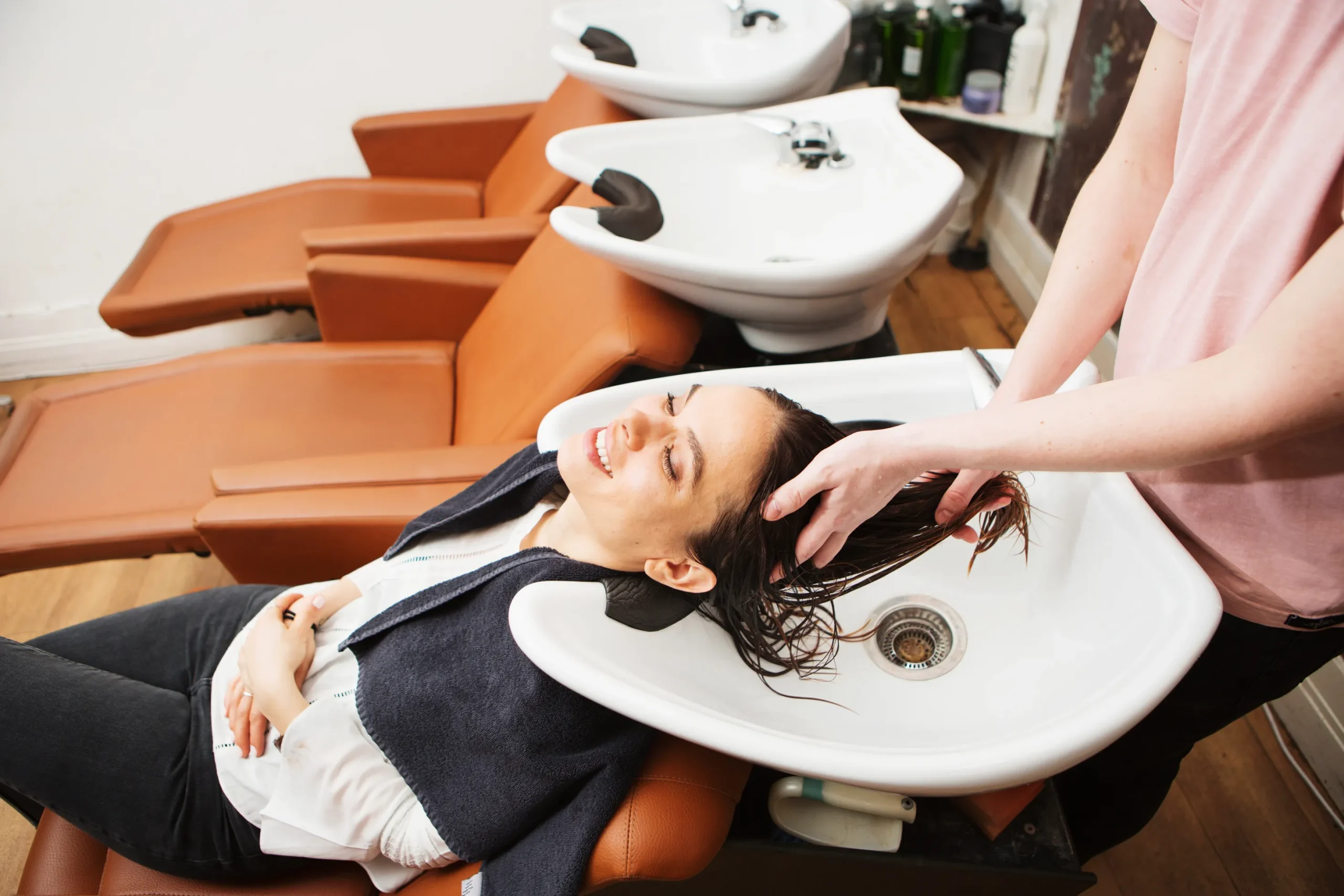
- Scalp Massage (often included with hair services)
- Facial Massage
- Hand and Foot Rituals
Training and Credentials: Speaking the Language of Professionalism
Using correct terminology isn’t just for clients—it’s also essential for communicating with other professionals and maintaining credibility.
- Refer to Modalities by Their Proper Names: e.g., “Ashiatsu” rather than “barefoot massage.”
- Understand Scope of Practice: Ensure you and your staff are correctly representing your qualifications for each service.
- Continue Education: The field is always evolving, with new techniques and terms emerging regularly.
Conclusion: The Power of Precise Language
In the competitive wellness industry, the words you choose to describe your services are powerful tools for attraction, education, and retention. By expanding your vocabulary beyond “massage,” you can more accurately represent the depth and breadth of your offerings, appeal to a wider range of clients, and position your business as a knowledgeable, professional destination for healing and relaxation. Whether you’re crafting a new menu, training your staff, or developing marketing materials, let the rich lexicon of bodywork work for you.