Introduction:
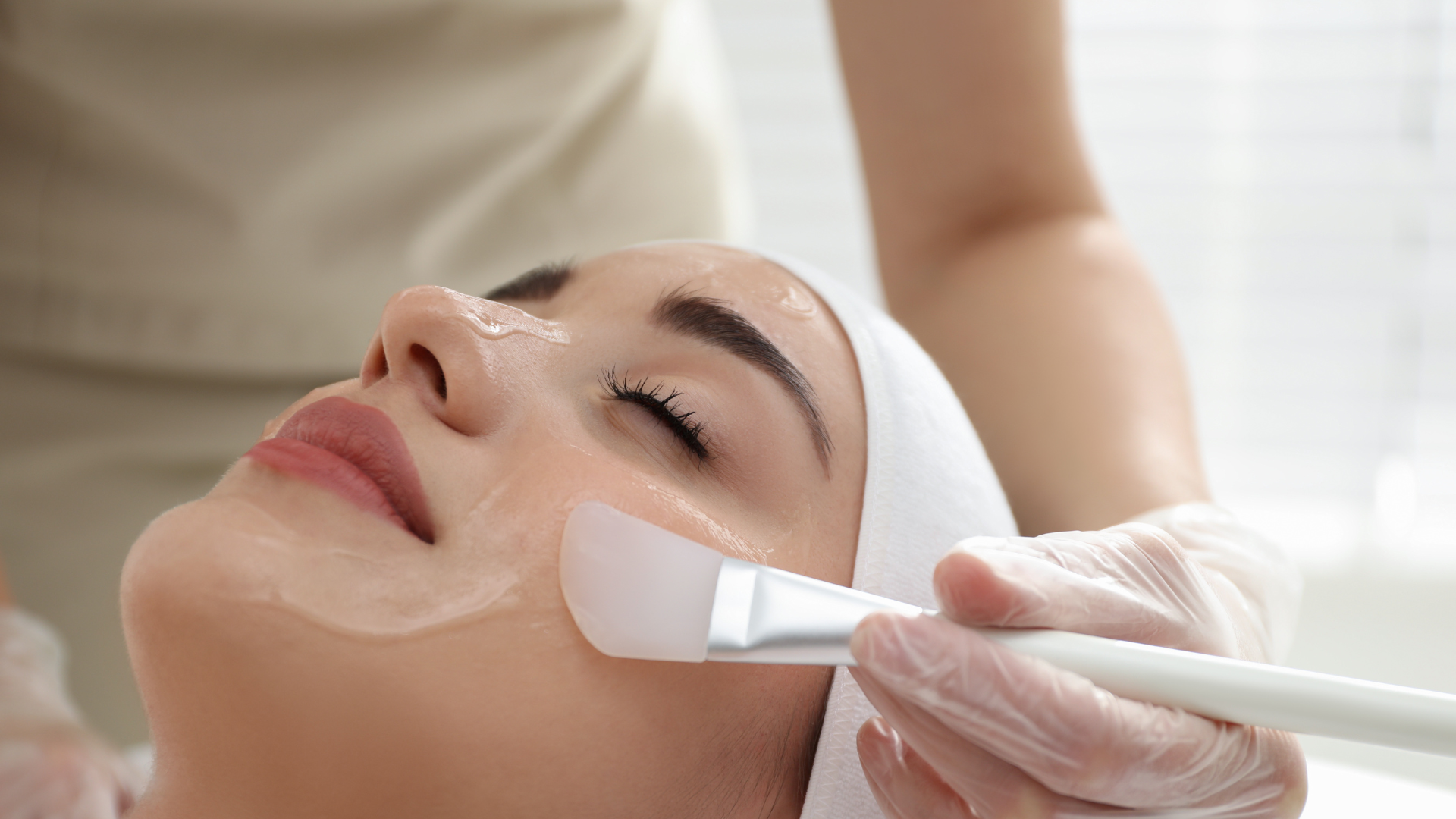
Interested in pursuing a career in the beauty and skincare industry? Becoming a medical esthetician could be the ideal path for you. With the increasing demand for skincare treatments and advanced beauty procedures, the role of a medical esthetician plays a vital part in helping individuals achieve their desired aesthetic goals. But what qualifications and education are required to embark on this exciting career journey? Let’s delve into the educational requirements needed to become a proficient medical esthetician.
Key Points:
1. Educational Background: To become a successful medical esthetician, a solid educational foundation is essential. Typically, aspiring medical estheticians need to complete a training program at a reputable esthetics school or beauty institute. These programs often cover a wide array of subjects, including skincare techniques, facial treatments, use of specialized equipment, and knowledge of skincare products. Additionally, coursework in anatomy, physiology, and dermatology is crucial to understanding the science behind skincare treatments. 2. State Licensing Requirements: In most states, aspiring medical estheticians are required to obtain a license to practice. Licensing requirements vary from state to state, but generally, candidates must graduate from an accredited esthetics program, complete a certain number of training hours, and pass a state licensing exam. Additionally, continuing education may be necessary to maintain and renew a medical esthetician license, ensuring that professionals stay updated on the latest trends and techniques in the industry. 3. Specialized Training in Medical Esthetics: While basic esthetics training provides a solid foundation, specialized training in medical esthetics is often necessary to work in medical spas, dermatology clinics, or plastic surgery offices. Medical esthetician programs focus on advanced skincare treatments, such as chemical peels, microdermabrasion, laser procedures, and other clinical-grade services. This specialized training equips estheticians with the skills and knowledge needed to address various skin concerns and perform treatments under the supervision of medical professionals. 4. Certification and Advanced Credentials: In addition to state licensing, obtaining additional certifications and advanced credentials can enhance a medical esthetician’s career prospects. Organizations such as the National Coalition of Estheticians, Manufacturers/Distributors & Associations (NCEA) offer certification programs that validate a professional’s skills and expertise in the field. Advanced certifications in areas like medical laser technology or microneedling can demonstrate a commitment to ongoing professional development and mastery of specialized techniques.
Conclusion:
Becoming a skilled and reputable medical esthetician requires a combination of formal education, state licensing, specialized training, and ongoing professional development. By honing your skills through structured esthetics programs, obtaining the necessary certifications, and staying abreast of industry advancements, you can position yourself for a successful career in medical esthetics. As the demand for advanced skincare treatments continues to rise, pursuing a career as a medical esthetician can be a rewarding opportunity to help clients achieve healthy, glowing skin and boost their self-confidence through personalized beauty solutions.